Researchers captured the image of NGC 1514, named the Crystal Ball Nebula, with the Gemini Multi-Object Spectrograph.
The spectrograph is an optical instrument that divides incoming light into its individual wavelengths and records the results in a spectrum using a detector.
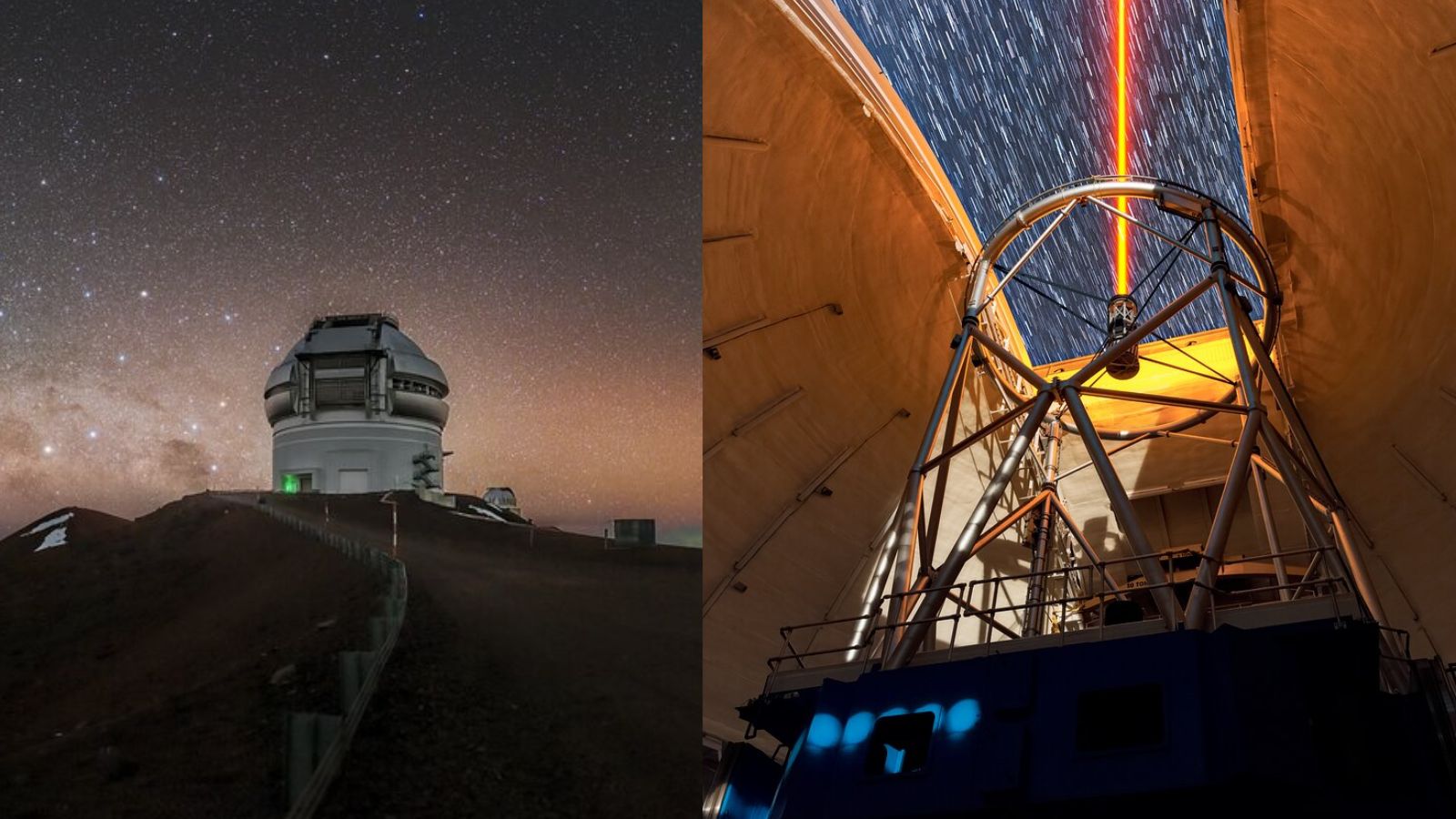
It is mounted on the Gemini North telescope atop Maunakea, a dormant volcano in Hawaii.
The nebulae are huge, glowing clouds of gas and dust floating in space.
The planetary nebulae were formed when dying stars cast out their outer layers, which created a region of dust and gas across the star’s core, a white dwarf.
Researchers captured the image of NGC 1514, named the Crystal Ball Nebula, with the Gemini Multi-Object Spectrograph. The spectrograph is an optical instrument that divides incoming light into its individual wavelengths and records the results in a spectrum using a detector. It is mounted on the Gemini North telescope atop Maunakea, a dormant volcano in Hawaii.
The nebulae are huge, glowing clouds of gas and dust floating in space. The planetary nebulae were formed when dying stars cast out their outer layers, which created a region of dust and gas across the star’s core, a white dwarf. This nebula is unique as it includes two stars. The first star is ejecting its outer layers, while the second, by orbiting around it is stirring the expanding gas and sculpting it into the nebula’s stunning, cloudlike shapes, which is similar to the way of making spun cotton candy out of sugar.