ETV Bharat / technologyNASA-ISRO's NISAR Satellite Captures Stunning 'Hummingbird' Image In Antarctic IceThe NISAR satellite captured deep cracks, known as crevasses, in the glacier ice surrounding the Nunatak Zaterjavshijsja mountaintop in East Antarctica.
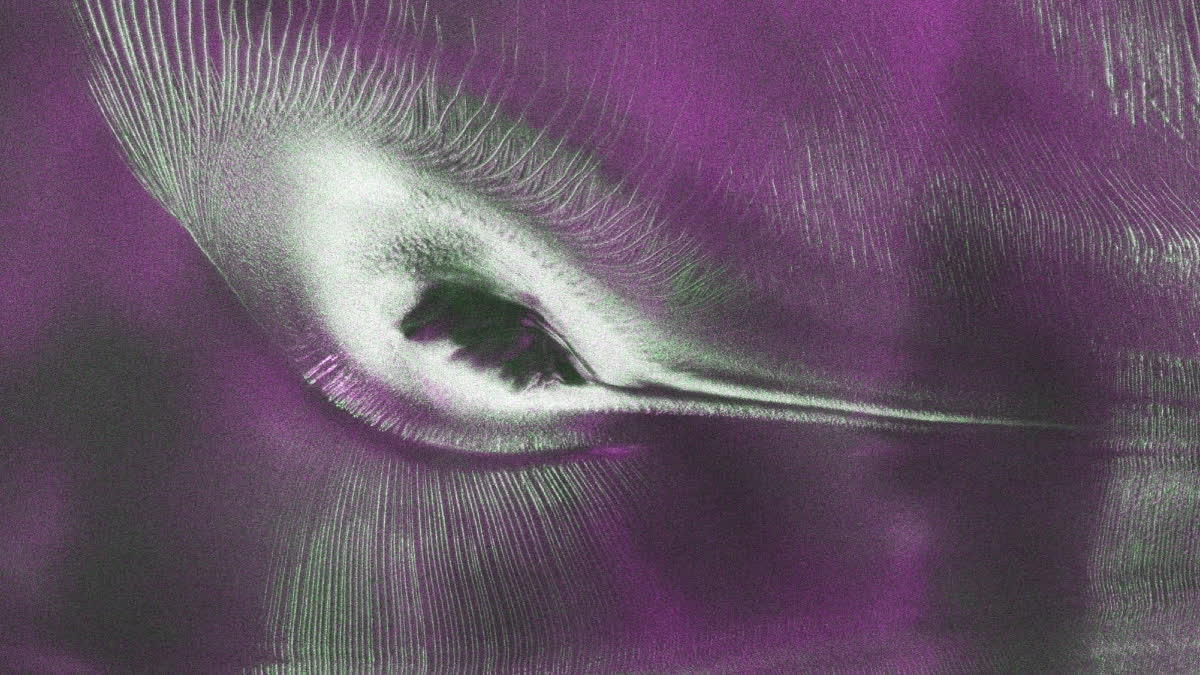
( Image Credit: NASA )Hyderabad: The NASA-ISRO Synthetic Aperture Radar (NISAR) satellite, a joint mission by the United States’ (US) NASA and India's ISRO, has released a striking radar image of Antarctica that bears a strange resemblance to a hummingbird, delighting scientists and the public alike.
The picture, created using data from NISAR's L-band radar, shows Nunatak Zaterjavshijsja, a mountain peak in East Antarctica situated within a northeast-flowing ice stream.
In East Antarctica, the moving ice collides with the mountain peak, which builds up pressure that causes deep cracks, known as crevasses, to form on the surface.
Radar image of East Antartica's glacier ice near Nunatak Zaterjavshijsja mountain.
ETV Bharat / technology
NASA-ISRO's NISAR Satellite Captures Stunning 'Hummingbird' Image In Antarctic Ice
The NISAR satellite captured deep cracks, known as crevasses, in the glacier ice surrounding the Nunatak Zaterjavshijsja mountaintop in East Antarctica. ( Image Credit: NASA )
Hyderabad: The NASA-ISRO Synthetic Aperture Radar (NISAR) satellite, a joint mission by the United States’ (US) NASA and India's ISRO, has released a striking radar image of Antarctica that bears a strange resemblance to a hummingbird, delighting scientists and the public alike. The picture, created using data from NISAR's L-band radar, shows Nunatak Zaterjavshijsja, a mountain peak in East Antarctica situated within a northeast-flowing ice stream. How was the image formed? In East Antarctica, the moving ice collides with the mountain peak, which builds up pressure that causes deep cracks, known as crevasses, to form on the surface. These cracks appear as sharp green lines resembling a bird's wings, prompting scientists to nickname the formation ‘Hummingbird’. The data was collected in August 2025 while mission teams were testing the satellite's systems, and has now been made public as NISAR approaches its first year in orbit. Radar image of East Antartica's glacier ice near Nunatak Zaterjavshijsja mountain. (Image Credit: NASA) The science behind the colours