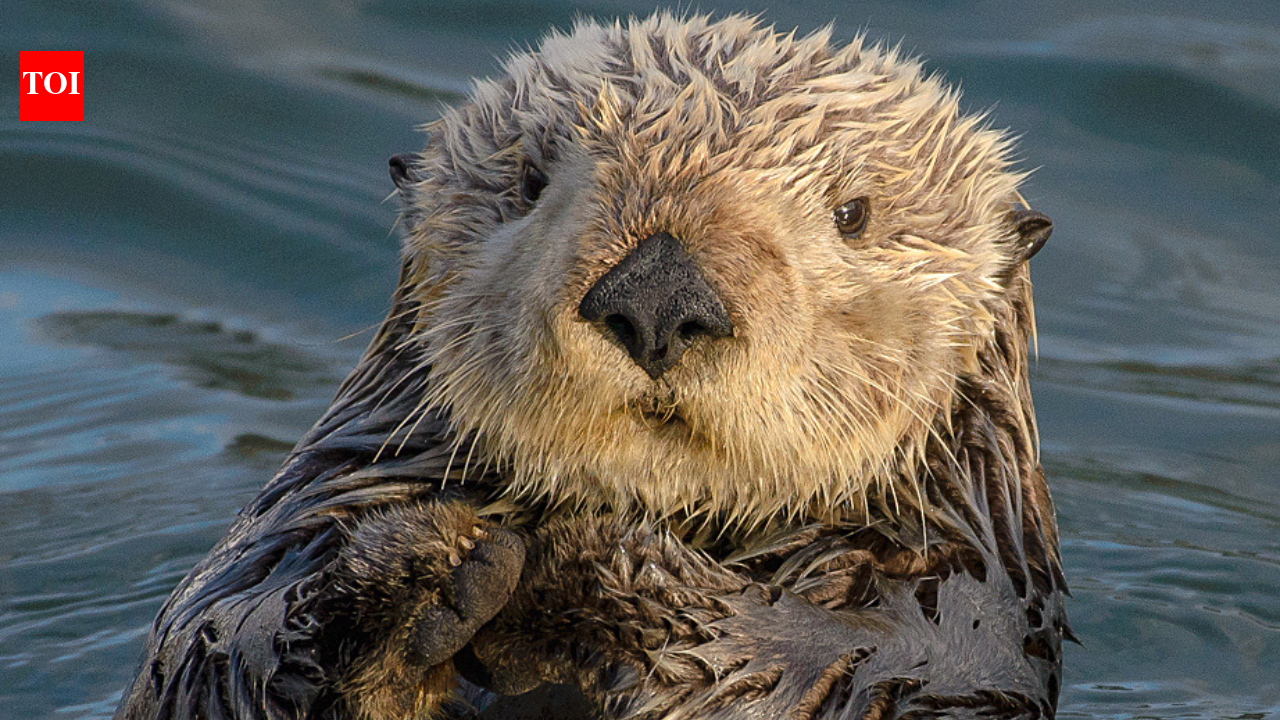
Sea otter | Wikimedia CommonsSea otter | Wikimedia CommonsSeven fatal infections identified after two decades of investigationsLeptospiraThe same serogroup circulating in sea lions may offer important cluesLeptospiraSouthern sea otters remain listed as a threatened species under the U.S.
Endangered Species Act | Wikimedia CommonsWhat the discovery means for conservation effortsA disease long recognized in California sea lions has now been confirmed as a fatal infection in southern sea otters, marking the first documented deaths from leptospirosis in the threatened marine mammal.
Genetic testing identified the bacterium as Leptospira interrogans serogroup Pomona in typed samples, making it the first confirmed report of fatal disease caused by this pathogen in southern sea otters.
Finding the same serogroup in sea otters does not prove that sea lions are transmitting the disease to otters, but it points to a possible shared source of infection or overlapping transmission pathways within the marine environment.
Continued monitoring of sea otters, sea lions and environmental samples may help clarify how the bacterium moves between wildlife populations and whether changing rainfall patterns or other environmental factors are influencing future outbreaks.
Sea otter | Wikimedia Commons
Sea otter | Wikimedia Commons
Seven fatal infections identified after two decades of investigations
Leptospira
The same serogroup circulating in sea lions may offer important clues
Leptospira
Southern sea otters remain listed as a threatened species under the U.S. Endangered Species Act | Wikimedia Commons
What the discovery means for conservation efforts
A disease long recognized in California sea lions has now been confirmed as a fatal infection in southern sea otters, marking the first documented deaths from leptospirosis in the threatened marine mammal. The finding comes from a 20-year review of stranded sea otters conducted by researchers at the California Department of Fish and Wildlife, the University of California, Davis, and partner institutions, who identified seven otters that died from the bacterial disease and found the same Leptospira interrogans serogroup, Pomona, previously associated with infections in sea lions. The study, published in Frontiers in Marine Science , expands scientists’ understanding of how leptospirosis affects marine wildlife and raises new questions about how the pathogen moves through California’s coastal ecosystems.The researchers reviewed tissue samples and postmortem records from 19 southern sea otters examined between 2005 and 2025 after leptospirosis was suspected during necropsy. Laboratory testing confirmed 14 animals were positive for Leptospira using polymerase chain reaction (PCR) analysis, while detailed pathological examinations determined that seven otters died directly from leptospirosis.Several animals showed extensive kidney damage, severe liver injury, inflammation affecting multiple organs and widespread bleeding, changes consistent with acute leptospiral infection. Genetic testing identified the bacterium as Leptospira interrogans serogroup Pomona in typed samples, making it the first confirmed report of fatal disease caused by this pathogen in southern sea otters. Earlier reports had detected antibodies againstin sea otters, indicating previous exposure, but fatal infections had not been conclusively documented.Pomona has been recognized for years as one of the dominant Leptospira serogroups affecting California sea lions, which experience periodic outbreaks of leptospirosis along the state’s coastline. Finding the same serogroup in sea otters does not prove that sea lions are transmitting the disease to otters, but it points to a possible shared source of infection or overlapping transmission pathways within the marine environment. The study’s authors note that several infected otters stranded during wetter months, when rainfall can increase runoff carrying pathogens from land into rivers, estuaries and coastal waters. Previous research has shown thatbacteria can survive in moist environments and infect mammals through contaminated water or contact with infected urine. The authors say further surveillance will be needed to determine whether terrestrial wildlife, domestic animals or marine mammals are contributing to the circulation of the bacterium along California’s coast.Southern sea otters remain listed as a threatened species under the U.S. Endangered Species Act, and infectious diseases have become an increasingly important concern alongside habitat change, pollution and shark bites. Identifying leptospirosis as a cause of death gives wildlife veterinarians another condition to consider when examining stranded animals and may improve future disease monitoring. The researchers also emphasize that the disease can progress rapidly, producing widespread organ damage before death, making laboratory testing essential for confirming infection. Continued monitoring of sea otters, sea lions and environmental samples may help clarify how the bacterium moves between wildlife populations and whether changing rainfall patterns or other environmental factors are influencing future outbreaks. Understanding those connections could become increasingly important as conservation agencies work to protect one of California’s most closely watched marine mammals.