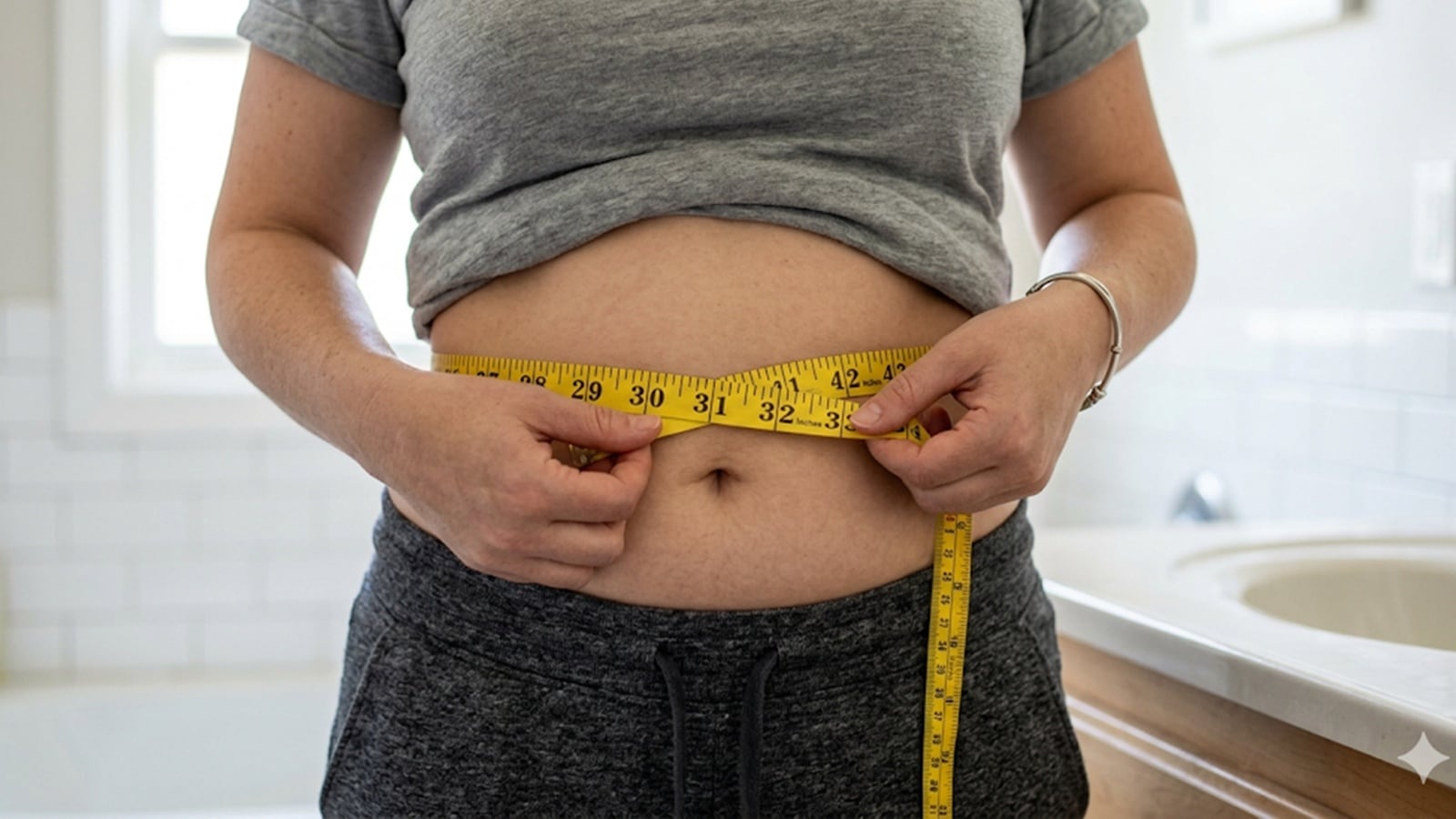
Comments about looking ill, weak, and unhealthy were among the most common reasons, aside from side-effects, for discontinuing GLP-1 based weight loss treatments, found a small study from Kerala.
Importantly, the study found that nearly 17.7% of the individuals did not experience significant weight loss after a year.
And, only 15.2% lost more than 20% of their body weight, with a total of 43% experiencing a weight loss of more than 15% of their body weight.
New obesity drug could change weight loss treatmentWhat needs to be done?
After the initial weight-loss, maintenance therapies with lower dose or oral pills are being established right now.
Comments about looking ill, weak, and unhealthy were among the most common reasons, aside from side-effects, for discontinuing GLP-1 based weight loss treatments, found a small study from Kerala.
The study, an excerpt of which was recently presented at the American Diabetes Association conference, said: “Negative societal comments related to body image and rapid weight loss may contribute to discontinuation of GLP1–based therapy and subsequent weight regain. These findings highlight the importance of patient counselling, sustained nutritional and physical-activity guidance, and addressing societal attitudes to support long-term weight-loss maintenance.”
The study tracked 167 adults for a year, who were using a GLP-1 therapy, to quantify the impact. The participants were largely women and obese. Over a quarter of the people who stopped taking the medicine, started regaining the weight.
Importantly, the study found that nearly 17.7% of the individuals did not experience significant weight loss after a year. And, only 15.2% lost more than 20% of their body weight, with a total of 43% experiencing a weight loss of more than 15% of their body weight.
Why is this significant?
While the extraordinary weight-loss experience by participants in trials for many of the GLP-1 drugs was seen as a marker of its success, the current study says that the real-world persistence of these weight-loss stories have been suboptimal.
This study found that one of the reasons — aside from the gastrointestinal symptoms such as nausea, diarrhoea, and vomiting that put people off — was societal influence. The kind of weight-loss experienced with these drugs can be rapid and extremely visible. The study participants reported comments such as — “you have become too thin, this does not look healthy”; “are you not eating properly”; “you look so old”; or “you looked better before.”
Dr Jothydev Kesavadev, the first author of the study and chairperson of Jothydev’s Diabetes and Research Centre, said: “If you see the results of the newer therapies under trial such as retatrutide, the weight loss experienced by the trial participants was actually more than what they had expected. Many reported that their family members and friends had trouble recognising them. While many of their co-morbidities went away — and there were positive changes in their mood — many discontinued the treatment because people kept asking them whether they were sick.”
Story continues below this ad
That is why the study summarises focus on health, not perceptions.
ALSO READ | Only 12 injections a year? New obesity drug could change weight loss treatment
What needs to be done?
The study says that these perceptions have to be addressed even as one starts their therapy. “Healthcare professionals should proactively counsel patients that medically supervised weight loss is healthy and expected, even if others perceive it differently.”
People on GLP-1 drugs should focus on eating healthy, protein-rich diets. They should focus on regular exercise, especially strength and resistance training to build muscles. And, they should focus on adequate sleep for proper hormone regulation.
The study goes on to say that people must look at actual health parameters rather than perceptions — they should keep a track of their blood glucose levels, their blood pressure, their cholesterol levels and their inflammation. “The treatment for obesity has to be like any other chronic condition. After the initial weight-loss, maintenance therapies with lower dose or oral pills are being established right now. Patients should not discontinue treatment completely. The challenge with discontinuation is that the response to the drug would be less if they restart it later on again,” said Dr Kesavadev.