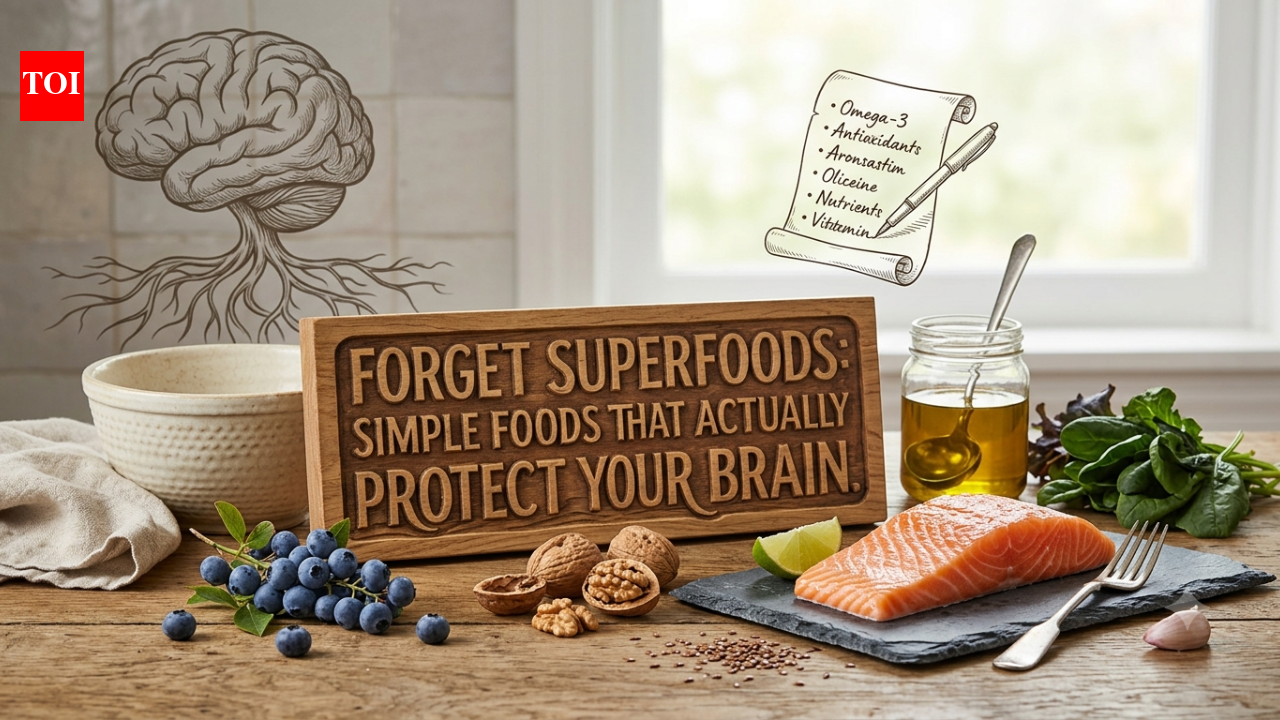
Image: Gemini AIFatty fishGreen leafy veggiesBerriesNuts and seedsWhole grainsEggsFermented foodsWe tend to think about brain health only when memory starts slipping or concentration becomes a problem.
From fatty fish and leafy greens to eggs, nuts and fermented foods, some everyday choices may support brain health over the long term.
salmon, sardines, mackerel, tuna) are rich in omega-three fats especially DHA, which is an important part of brain cells.
Vitamin E acts as an antioxidant that protects the brain from any damage, while healthy fats help the nerves in communicating with each other.
A small portion of nuts once a day is a healthy snack.The brain relies on continuous glucose supply for energy.
Image: Gemini AI
Fatty fish
Green leafy veggies
Berries
Nuts and seeds
Whole grains
Eggs
Fermented foods
We tend to think about brain health only when memory starts slipping or concentration becomes a problem. But the brain, like every other organ, is shaped by what we do every day, including what we put on our plates. In this interview Dr. Raghuram Gopalakrishnan, Director & Senior Consultant, Head of Stereotactic and Functional Neurosurgery, KIMS Hospitals, Mahadevapura, Bengaluru says there’s no single “superfood” that can keep neurological diseases away, but a balanced diet can give the brain the nutrients it needs to function well as we age. From fatty fish and leafy greens to eggs, nuts and fermented foods, some everyday choices may support brain health over the long term. Dr. Raghuram Gopalakrishnan shares the foods he recommends adding to your diet.Fatty fish (e.g. salmon, sardines, mackerel, tuna) are rich in omega-three fats especially DHA, which is an important part of brain cells. Omega-three fats can ensure the healthy work of nerve cells and help learn new information, remember facts and reduce inflammation related to cognitive decline.Speedy vegetables such as spinach, collard greens, fenugreek leaves, broccoli are also known as brain food as they contain many vitamins like folic acid and Vitamin K and anti-oxidants to protect the brain from any oxidative damage which helps slow down age-related changes in cognitive abilities.If you want to benefit from the nutrients in green leafy veggies, then make it a habit to have some greens with your food every day.Berries such as blueberries, strawberries, blackberries, and others are also known to be rich in flavonoids and antioxidant which reduce inflammation and oxidative damage. According to some research, berries have the ability to improve memory and slow down cognitive aging when consumed on a regular basis.Nuts and seeds like almonds, walnuts, chia seeds, and pumpkin seeds are also rich in healthy fats, Vitamin E, magnesium, and zinc. Vitamin E acts as an antioxidant that protects the brain from any damage, while healthy fats help the nerves in communicating with each other. A small portion of nuts once a day is a healthy snack.The brain relies on continuous glucose supply for energy. Whole grains like oats, brown rice, millet, and whole wheat grains provide glucose at a slower rate, hence sustaining energy over long hours. Whole grains also have fibre and B vitamins promoting brain health.Eggs are an excellent source of choline, a nutrient required for making acetylcholine, which is a neurotransmitter involved in learning and memory. It also contains vitamins B6, B12, and folate that are essential for brain health.Curd, yogurt, kefir, and other fermented foods support a healthy gut microbiome. Recent research suggests the gut-brain connection and that gut health may affect the mood, stress response, and brain function.Simply consuming a healthy diet will not keep the brain in optimal condition. According to medical professionals, it is essential to accompany nutritious consumption with exercise, rest, sleeping well, stress control, hydration, quitting smoking, and avoiding alcohol. At the same time, treating chronic illnesses, like diabetes and high blood pressure, must be taken into account, since these diseases affect the supply of blood to the brain and increase the risk of losing cognitive abilities.Eating a diet beneficial for the brain is not about unusual and expensive products but rather about steady eating habits that will support overall health of the body and brain at any stage of human development.