Read Full StoryThe Air Quality Index, or AQI, turns a soup of pollutants into a single number.
HOW DOES RAIN CLEAN THE AIR?
A light shower does not clean Delhi's air and can make it worse.
In damp air, fine particles swell and multiply, so weak rain adds moisture without sweeping anything away.
WILL DELHI'S CLEAN AIR LAST?
Rain did in 48 hours what policy has failed to do in years.
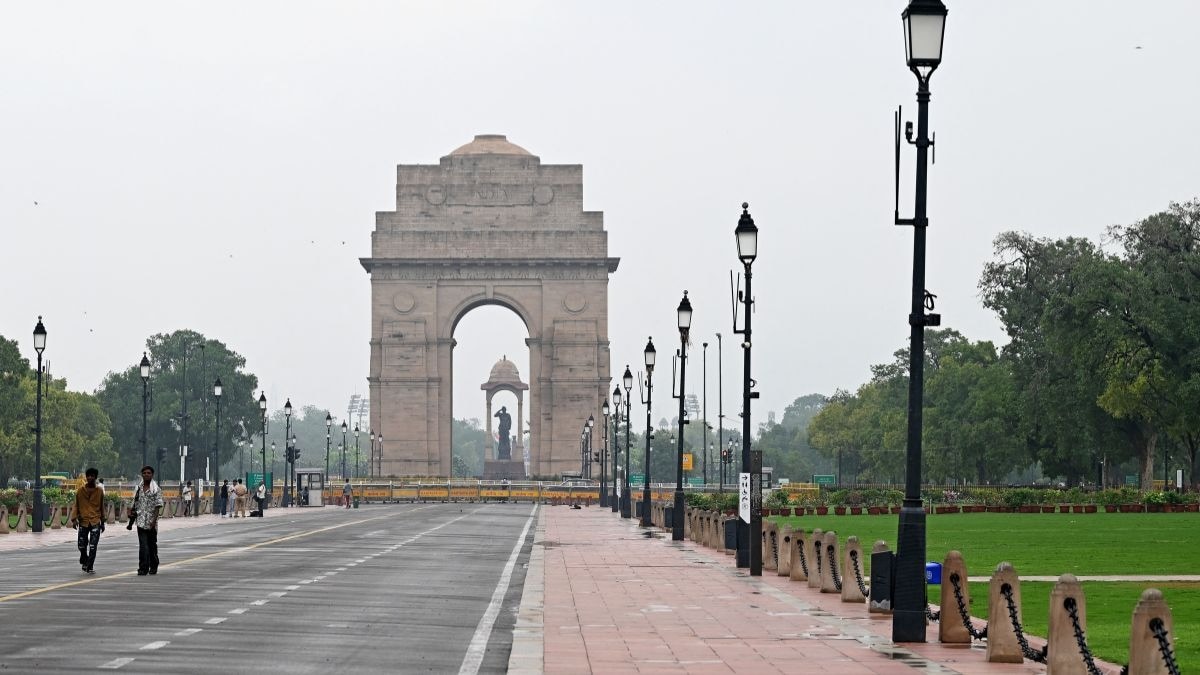
On July 9, Delhi breathed air the government officially calls good. The bigger story is how staggeringly rare that is.
Delhi recorded its lowest daily average AQI of 2026, clocking 48 on the afternoon of July 9, the first good air day of the year, according to the Commission for Air Quality Management. The last one was on September 10, 2023.
Read Full Story
The Air Quality Index, or AQI, turns a soup of pollutants into a single number. Zero to 50 is good, the cleanest band on India's scale. Delhi almost never sees it. To grasp how almost, consider one figure: for the whole of 2026 so far, not a single day has met the World Health Organization's safe limit for fine particles.
Not one. In 2024, Delhi was the most polluted capital on Earth, averaging 108 micrograms of these particles per cubic metre, more than 20 times the WHO's recommended ceiling of 5, according to the IQAir World Air Quality Report.
So what handed the city a clean day? Not policy. A cloudburst.
HOW DOES RAIN CLEAN THE AIR?
Scientists call it wet deposition, but the picture is simpler than the phrase. As a raindrop falls, it acts like a tiny sweeper.
It collides with microscopic pollutants floating in the air, chiefly PM2.5, fine particles about 30 times thinner than a human hair, small enough to slip past the body's defences and settle deep in the lungs. The drop grabs these particles and drags them down. This mid-air capture is known as below-cloud scavenging.
Rain helps in two other ways. It soaks roads and construction sites, choking off dust at the source, while strong monsoon winds scatter whatever pollution is left instead of letting it pool over the city.
This week delivered all three. Safdarjung, Delhi's base weather station, logged 72.6 mm of rain in 24 hours.
WHY DOES A DRIZZLE NOT CLEAN THE AIR?
Here is the counterintuitive part. A light shower does not clean Delhi's air and can make it worse. Research in the Journal of Environmental Sciences found that pollutant removal improves sharply with heavier, longer rain, while a mere drizzle can raise PM2.5 levels.
In damp air, fine particles swell and multiply, so weak rain adds moisture without sweeping anything away.
A separate analysis of Delhi's own weather, published in Environmental Monitoring and Assessment, confirmed that only moderate to heavy rainfall lands a real cleansing blow. Thursday's downpour was heavy enough.
WILL DELHI'S CLEAN AIR LAST?
advertisement
No. Once the monsoon retreats, calm winter winds and temperature inversion, a lid of warm air that traps cold, dirty air near the ground, return with a vengeance. Delhi's emissions from traffic, industry and burning have not gone anywhere.
Rain is a rinse, not a cure. Until those emissions fall year round, the city's good days will keep arriving by cloud, never by design.
- Ends