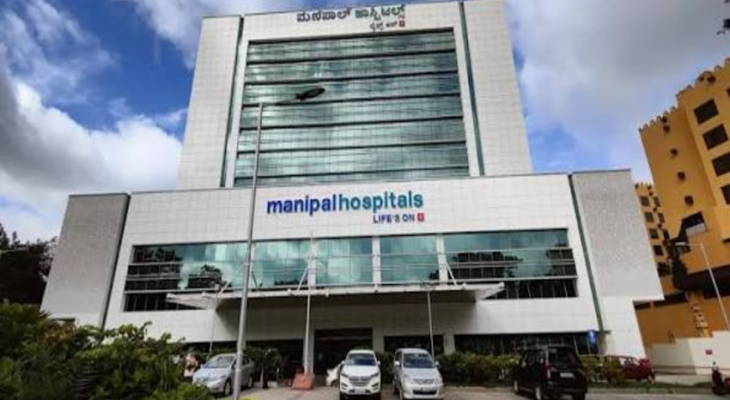
Manipal Hospitals EM Bypass and Mukundapur organised a stroke awareness programme in Kolkata on 29 October, 2026, to mark World Stroke Day, highlighting the importance of early detection, prevention and timely medical intervention.
The initiative brought together neurological specialists to educate people about stroke symptoms, associated risk factors and the need for immediate medical attention to minimise long-term disability.
The programme featured Dr. Jayanta Roy, Director and Head of Neurology at Manipal Hospitals Mukundapur; Dr. Amlan Mandal, Consultant and Head of Neurology at Manipal Hospitals EM Bypass; Dr. Sukalyan Purkayastha, Director and Senior Consultant, Neurointervention and Endovascular Surgery, Manipal Hospitals East Region; and Dr. Nirmalya Roy, Consultant, Neuroradiology, Manipal Hospitals EM Bypass.
Recognising Early Warning SignsA key focus of the programme was the BE FAST approach, an acronym for identifying common stroke symptoms.
A TIA requires urgent medical evaluation because it can indicate an increased risk of a subsequent stroke.
Manipal Hospitals EM Bypass and Mukundapur organised a stroke awareness programme in Kolkata on 29 October, 2026, to mark World Stroke Day, highlighting the importance of early detection, prevention and timely medical intervention. The initiative brought together neurological specialists to educate people about stroke symptoms, associated risk factors and the need for immediate medical attention to minimise long-term disability.
The programme featured Dr. Jayanta Roy, Director and Head of Neurology at Manipal Hospitals Mukundapur; Dr. Amlan Mandal, Consultant and Head of Neurology at Manipal Hospitals EM Bypass; Dr. Sukalyan Purkayastha, Director and Senior Consultant, Neurointervention and Endovascular Surgery, Manipal Hospitals East Region; and Dr. Nirmalya Roy, Consultant, Neuroradiology, Manipal Hospitals EM Bypass.
Recognising Early Warning Signs
A key focus of the programme was the BE FAST approach, an acronym for identifying common stroke symptoms. It stands for Balance, Eyes, Face, Arms, Speech and Time. Warning signs include sudden loss of balance, blurred or double vision, facial drooping, weakness in one arm and difficulty speaking. The final step emphasises seeking emergency medical assistance immediately and noting when symptoms began.
The specialists also highlighted transient ischaemic attacks (TIAs), commonly known as warning strokes. These episodes can cause symptoms similar to those of a stroke, including weakness, speech difficulties and visual disturbances, which may disappear within a short period. However, symptom resolution does not eliminate the underlying risk. A TIA requires urgent medical evaluation because it can indicate an increased risk of a subsequent stroke.
Dr. Jayanta Roy said stroke is a medical emergency in which every minute matters, adding that early recognition and immediate medical assessment can help limit brain damage and improve recovery prospects. Dr. Amlan Mandal highlighted that stroke can affect younger individuals as well as older adults, making awareness and regular health assessments important across age groups. Dr. Sukalyan Purkayastha emphasised managing risk factors such as hypertension, diabetes and elevated cholesterol. Smoking, physical inactivity, obesity and sleep apnoea were also identified as contributing factors.
Dr. Nirmalya Roy stressed the importance of prompt treatment, citing the principle that 'time is brain'. He noted that approximately 20 million brain cells may be lost every minute during a major ischaemic stroke. The programme reinforced the importance of regular health check-ups, balanced nutrition, physical activity and appropriate medical care to reduce stroke risks and improve recovery outcomes.