Representative AI imageWhat is the OHISAMA missionHow can we beam down solar energy from satelliteWhat are the main goals of this OHISAMA space projectEvaluating how well a modular ‘phased array’ antenna (a flat panel that can turn its beam electronically) functions in space.
Confirming that the satellite can hit its target on the ground from hundreds of kilometres away with incredible accuracy.
Demonstrating that the transmitted energy can actually power devices, such as an LED light, on the ground.
Testing if power can be transferred between two flying objects in orbit, which could help space stations or moon bases.
Why is Japan leading the way in space-solar technologyWhat are the challenges facing the OHISAMA projectWhat does the future of solar energy look like after 2026
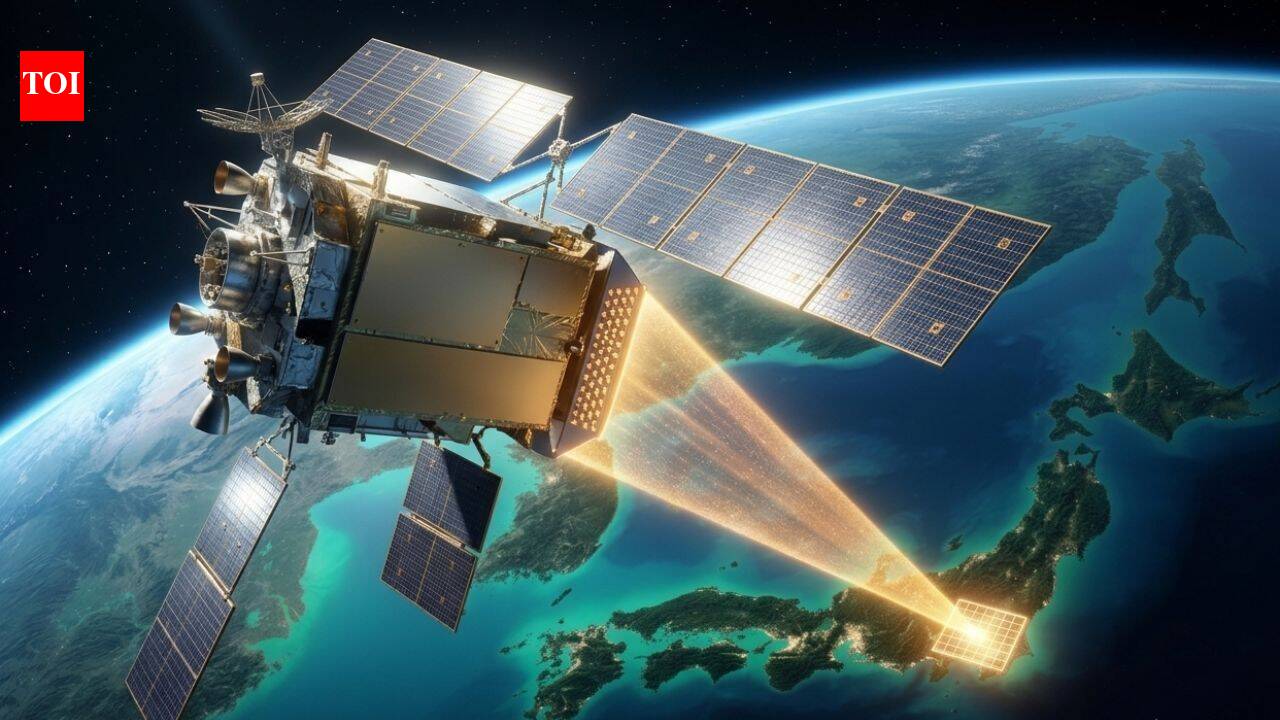
Representative AI image
What is the OHISAMA mission
How can we beam down solar energy from satellite
What are the main goals of this OHISAMA space project
Evaluating how well a modular ‘phased array’ antenna (a flat panel that can turn its beam electronically) functions in space.
Confirming that the satellite can hit its target on the ground from hundreds of kilometres away with incredible accuracy.
Demonstrating that the transmitted energy can actually power devices, such as an LED light, on the ground.
Testing if power can be transferred between two flying objects in orbit, which could help space stations or moon bases.
Observing how high-power microwaves interact with the ‘ionosphere’ (a layer of our atmosphere filled with charged particles), to ensure it does not disrupt GPS or radio communications.
Why is Japan leading the way in space-solar technology
What are the challenges facing the OHISAMA project
What does the future of solar energy look like after 2026