Credits - Wikimedia CommonsHow hydrilla took over Florida's lakes in the first placeWhy the fish succeeded where other methods struggledImage of a thick layer of Hydrilla.
Florida wildlife managers introduced grass carp, reducing hydrilla coverage to less than 1 per cent at a reported treatment cost of $8,499, or about $43 per acre, according to the documented case study .
Wider use became possible after hatcheries developed triploid grass carp, which have three sets of chromosomes instead of the normal two and are functionally sterile.
The results at Lake Baldwin reflected this efficiency, with the lake's hydrilla coverage collapsing after the fish were introduced while the overall number of native fish species in the lake stayed the same.
Removing too much vegetation can also reduce water clarity, because fewer plants are left to absorb nutrients and limit phytoplankton growth.
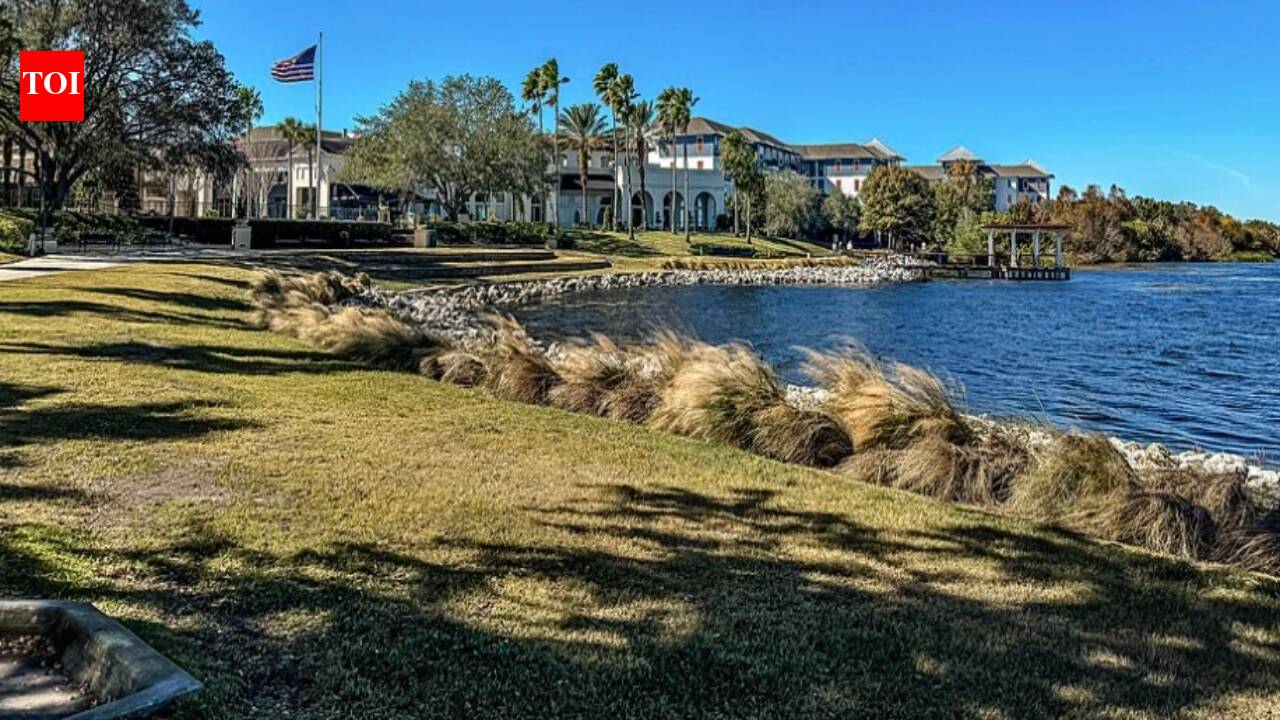
Image of Lake Baldwin Park. Credits - Wikimedia Commons
How hydrilla took over Florida's lakes in the first place
Why the fish succeeded where other methods struggled
Image of a thick layer of Hydrilla. Credits - Wikimedia Commons
Why the same tool comes with lasting trade-offs
Lake Baldwin, a small lake in the Orlando area, was once so overrun by the invasive weed hydrilla that it covered roughly 95 per cent of the lake. Florida wildlife managers introduced grass carp, reducing hydrilla coverage to less than 1 per cent at a reported treatment cost of $8,499, or about $43 per acre, according to the documented case study . The fish, a plant-eating species imported from Asia specifically to fight hydrilla, are widely regarded as the most effective biological tool available against the weed and have been used in more than 70 public lakes across the state.Hydrilla is not native to Florida. It spread through the state's waterways after entering the aquarium trade. Once established, it grows rapidly toward the surface and forms dense mats that choke out native plants, block boat traffic and interfere with swimming and fishing. Florida wildlife managers eventually turned to the grass carp, a fish native to rivers in eastern Russia and China that was imported to the United States in 1963 specifically as a biological control agent for hydrilla and other aquatic plants, according to a University of Florida profile of the species . Early trials in the 1970s showed promise, but regulators limited the use of the fish for over a decade due to fears that grass carp could escape and breed in open waters, threatening native ecosystems. Wider use became possible after hatcheries developed triploid grass carp, which have three sets of chromosomes instead of the normal two and are functionally sterile. Triploidy can be induced during early development through controlled treatments, but the fish must still be certified and regulated before they are stocked. This sterile variety, known as a triploid, made wider use possible, but it did not remove the need for containment.Triploid fish cannot reproduce normally, yet escaped animals could still move into connected waters and consume vegetation in unintended areas.Once stocked, grass carp are remarkably efficient eaters. An adult grass carp can consume its own body weight in hydrilla each day when the water is warm enough, and researchers have found that stocking rates of 10 to 15 fish per hectare of lake area produce the strongest control while still allowing less-preferred plant species to survive. The results at Lake Baldwin reflected this efficiency, with the lake's hydrilla coverage collapsing after the fish were introduced while the overall number of native fish species in the lake stayed the same. That outcome mattered to researchers because it showed the technique could reduce a severe hydrilla infestation without permanently damaging the underlying fish community, even though the mix of species inevitably shifted as the vegetation disappeared. The Florida Fish and Wildlife Conservation Commission notes that grass carp are an affordable option for controlling aquatic vegetation compared with herbicide treatments or mechanical removal, which can be significantly more expensive, and typically recommends stocking three to ten fish per acre. One nine-year hydrilla management programme in Florida was estimated to have saved 200,000 dollars by relying on grass carp rather than herbicides alone.Once grass carp are introduced to a lake, they are notoriously difficult to remove, and overstocking can strip a lake of nearly every submerged plant rather than just the hydrilla managers were targeting. Removing too much vegetation can also reduce water clarity, because fewer plants are left to absorb nutrients and limit phytoplankton growth. Fish species that depend on dense vegetation for cover, such as certain sunfish, typically decline once a lake is cleared thoroughly ; species that prefer open water tend to increase in their place. Because of these trade-offs, Florida limits the fish to closed water bodies or lakes secured with barriers, and wildlife officials require a permit before anyone can stock them. For Lake Baldwin, the technique achieved what managers were after. It turned a lake nearly smothered by an invasive weed into one of the reference cases used to demonstrate how far the approach can go when it works as intended.