The Supreme Court has directed that every penny donated at the Shri Banke Bihari Temple in Vrindavan must first go to the deity’s funds, saying no person associated with the temple can appropriate offerings before they are deposited into the temple treasury.
The court made it clear that donations must be deposited either through designated donation boxes or online into the temple treasury.
“You cannot appropriate [the money] before the devotee goes to the temple and gives the money into the deity's funds.
The court also directed that any proposed purchase of property using temple funds should be brought before it before the transaction is concluded.
The directions are aimed at ensuring greater financial transparency in the management of offerings and temple funds, amid allegations of malpractices in the handling of donations at the prominent Vrindavan shrine.
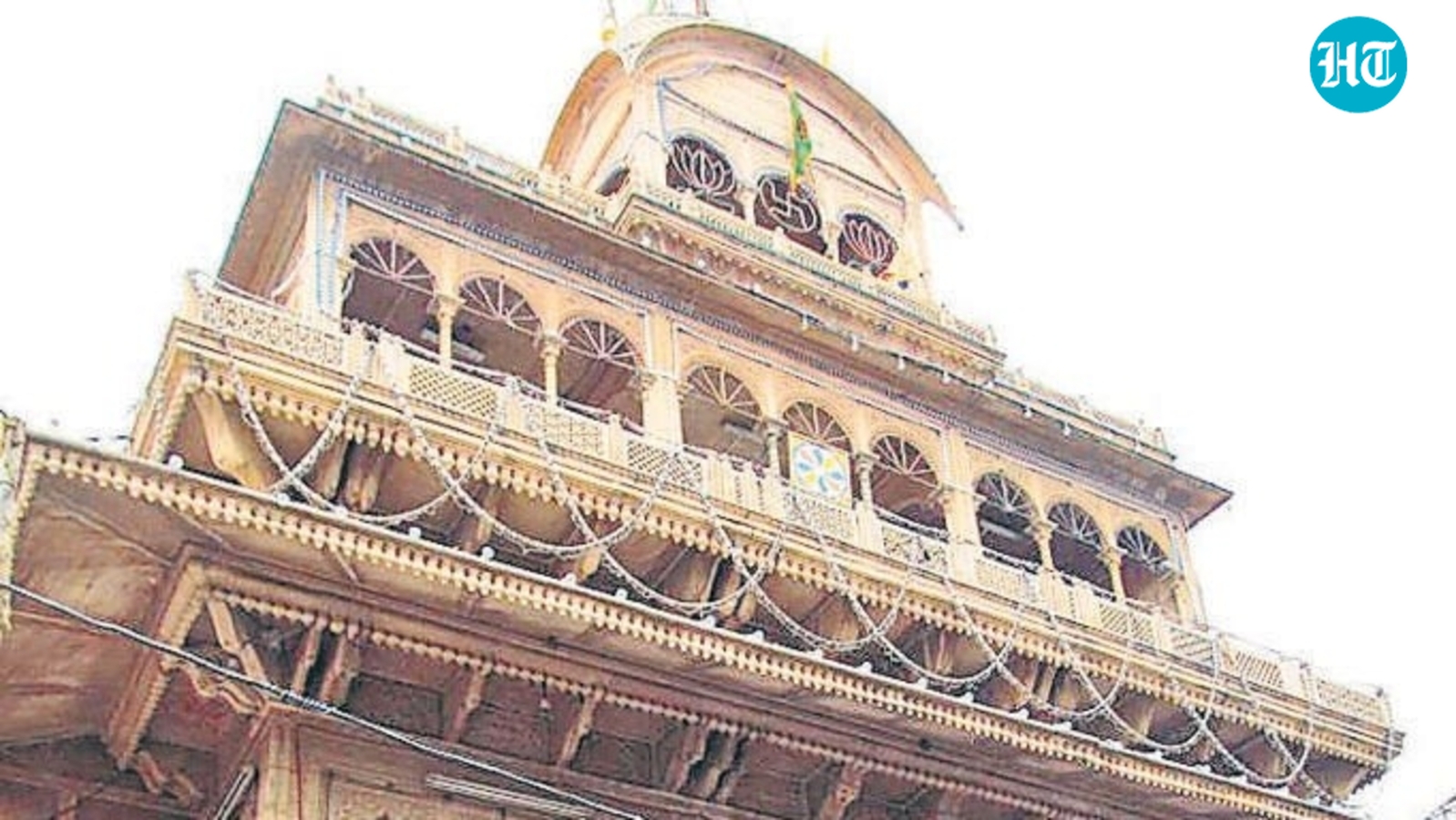
The Supreme Court has directed that every penny donated at the Shri Banke Bihari Temple in Vrindavan must first go to the deity’s funds, saying no person associated with the temple can appropriate offerings before they are deposited into the temple treasury. Banke Bihari Temple. (Sourced)
Hearing a matter concerning alleged siphoning of donations at the temple, the court directed the committee overseeing its functioning to put in place a transparent mechanism to ensure that offerings made by devotees are properly accounted for.
The court made it clear that donations must be deposited either through designated donation boxes or online into the temple treasury. Any attempt by sevayats or others to obstruct the mechanism would be “viewed very seriously”, it said.
“First, the donation must be into the dedication, that is, to the deity, and from that you will get your share as part of the Bhandari duties,” the Supreme Court observed.
“You cannot appropriate [the money] before the devotee goes to the temple and gives the money into the deity's funds. It must be to the deity, and then you will get the share,” the court said.
Justice Bagchi, who was part of the bench hearing the matter, further remarked: “A priest cannot have a garnishee right on the deity.”
The observations came after an intervenor representing the deity submitted that money allegedly being taken by Bhandaris was actually cash received for bhog, or offerings of food to the deity. The counsel argued that the arrangement was protected by a decree of a civil court.
“That is a usufructuary right of the sevayats which has been recognised by a civil court decree, My Lords,” the counsel submitted.
The Supreme Court, however, emphasised that any share or entitlement of sevayats could arise only after the money had first been offered to and accounted for in the name of the deity.
The court also directed that any proposed purchase of property using temple funds should be brought before it before the transaction is concluded.
The directions are aimed at ensuring greater financial transparency in the management of offerings and temple funds, amid allegations of malpractices in the handling of donations at the prominent Vrindavan shrine.