Public health experts advise avoiding close physical contact with anyone showing symptoms like fever, vomiting, unexplained bleeding, or severe weakness in affected regions.
If you feel unwell, staying home is not laziness; it is public health.
Community Care Matters As Much As Personal CareOne of the biggest lessons from Africa’s past Ebola outbreaks was this: outbreaks are controlled not just in hospitals, but in communities.
Safe caregiving, responsible travel, respecting quarantine guidance, and supporting public health measures all help break transmission chains.
News18 Newsletter Handpicked stories, in your inbox A newsletter with the best of our journalism submitFirst Published: May 25, 2026, 08:13 ISTNews lifestyle health-and-fitness As Ebola Cases Rise, Don’t Ignore These 7 Life-Saving Habits We Learned From COVID And Past Outbreaks
As Ebola Cases Rise, Don’t Ignore These 7 Life-Saving Habits We Learned From COVID And Past Outbreaks
Written By :
,
Last Updated: May 25, 2026, 08:13 IST
Every disease outbreak reminds us of something universal: public health starts at home, with habits that often feel too ordinary to matter
Rapid Read
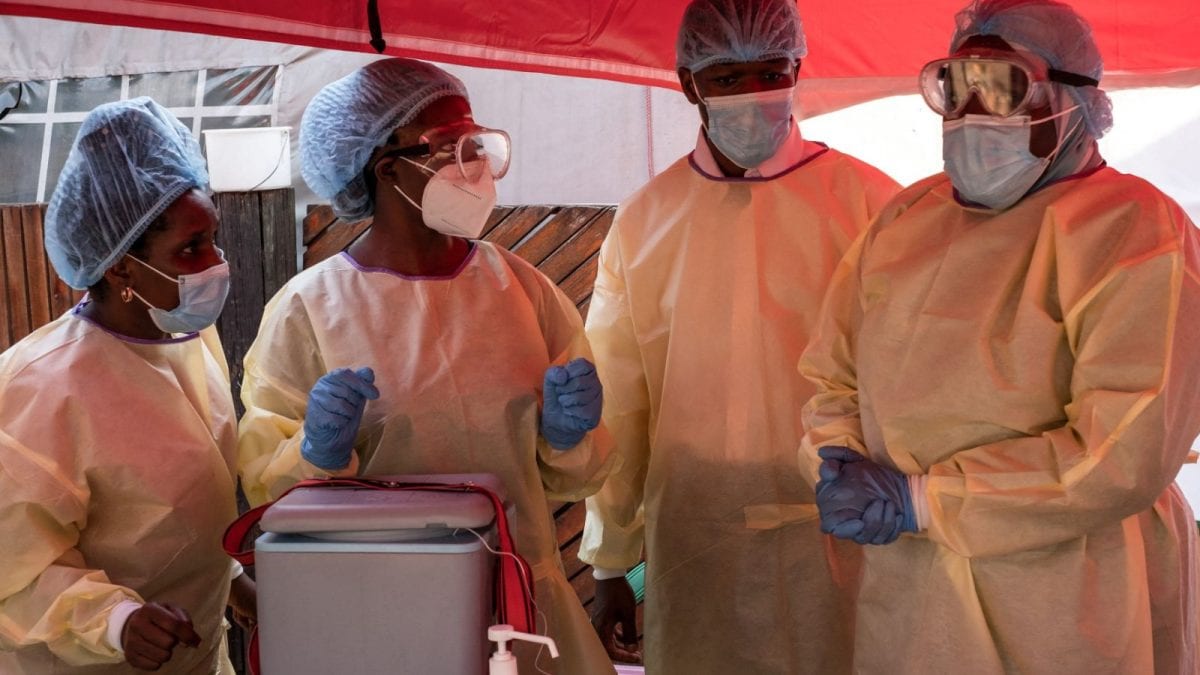
The World Health Organization (WHO) declared the current Ebola outbreak in the Democratic Republic of the Congo (DRC) and Uganda a Public Health Emergency of International Concern. (Image: AFP file)
The World Health Organization (WHO) declared the current Ebola outbreak in the Democratic Republic of the Congo (DRC) and Uganda a Public Health Emergency of International Concern on May 17, as cases continue to rise.
This time, the outbreak involves the Bundibugyo strain, a rarer form of Ebola for which there is no licensed vaccine or specific treatment yet. That makes prevention and simple daily habits more important than ever.
The current health emergency has revived memories of the COVID-19 pandemic, reminding the world what infectious disease outbreaks can look like on a global scale.
While the World Health Organization (WHO) says Ebola does not spread as easily as COVID-19, its resurgence is a timely reminder of the simple habits past outbreaks taught us—habits worth making part of our everyday lives, whether there is a health crisis or not. Here are the lessons history has taught us to never ignore.
1. Washing Your Hands Is Important
During every major outbreak, whether Ebola, SARS, or COVID-19, one lesson has stayed constant: clean hands save lives.
Ebola spreads through direct contact with infected bodily fluids. Regular handwashing with soap and water, or using alcohol-based sanitiser when unavailable, remains one of the simplest and strongest lines of defence.
2. Stop Touching Your Face So Often
It sounds small, but it matters. Eyes, nose, and mouth are easy entry points for viruses. Most of us touch our faces dozens of times a day without realizing it. During outbreaks, that unconscious habit can become a risk.
3. Respect Distance When Someone Is Sick
Not every illness is Ebola—but every fever deserves caution. Public health experts advise avoiding close physical contact with anyone showing symptoms like fever, vomiting, unexplained bleeding, or severe weakness in affected regions. Ebola does not spread through casual airborne exposure, but close contact is enough.
4. Don’t Normalise “Pushing Through" Illness
One major lesson from past epidemics: going to work, school, or social gatherings while sick can fuel outbreaks. If you feel unwell, staying home is not laziness; it is public health.
5. Learn Basic Symptoms Before Panic Sets In
Early Ebola symptoms can look deceptively common: fever, fatigue, headache, and muscle pain. That is why awareness matters. Early detection and supportive care dramatically improve survival rates, according to the WHO.
6. Community Care Matters As Much As Personal Care
One of the biggest lessons from Africa’s past Ebola outbreaks was this: outbreaks are controlled not just in hospitals, but in communities.
Safe caregiving, responsible travel, respecting quarantine guidance, and supporting public health measures all help break transmission chains. WHO says community engagement is key to stopping Ebola.
7. Trust Verified Health Updates, Not WhatsApp Forwards
Outbreaks don’t just spread viruses. They spread misinformation. WHO and other global health agencies repeatedly stress that timely, accurate information is critical for containment. Rumours and panic delay treatment and increase harm.
While Ebola is not a virus most people will encounter directly, this outbreak reminds us of something universal: public health starts at home, with habits that often feel too ordinary to matter.
News18 Newsletter Handpicked stories, in your inbox A newsletter with the best of our journalism submit
First Published: May 25, 2026, 08:13 IST
News lifestyle health-and-fitness As Ebola Cases Rise, Don’t Ignore These 7 Life-Saving Habits We Learned From COVID And Past Outbreaks