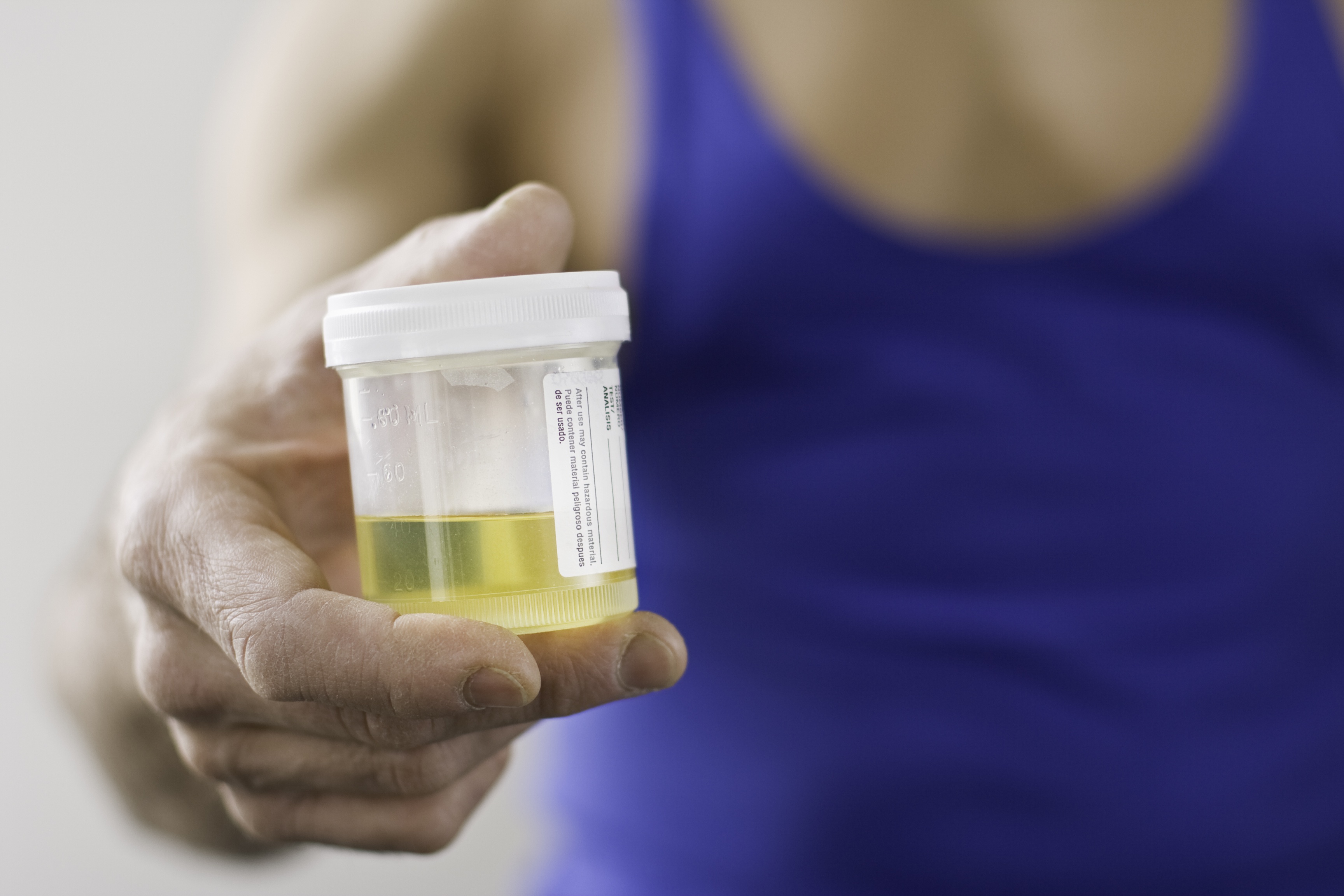
Proteinuria is linked to long-term risk for kidney failure, and clinical guidelines around diabetic kidney disease and CKD favor urine albumin-to-creatinine ratio (UACR) for measuring proteinuria.
In a new study, Katie Wong and colleagues explored whether UACR, UPCR, or other proteinuria measurements differ in their ability to predict kidney risk.
They used calibration plots to evaluate the performance of converting UPCR to UACR, and they ran Cox regression models of time to kidney failure or death with four proteinuria measures: UPCR, UACR, non-albumin proteinuria, and estimated UACR from UPCR.
Among the cohort of 4,156 patients with rare kidney diseases, 17% experienced kidney failure or death.
At lower predicted UACR deciles, the change from UPCR to UACR resulted in underestimations of UACR.
Proteinuria is linked to long-term risk for kidney failure, and clinical guidelines around diabetic kidney disease and CKD favor urine albumin-to-creatinine ratio (UACR) for measuring proteinuria. However, research on rare glomerular diseases frequently uses urine protein-to-creatinine ratio (UPCR) to measure proteinuria. In a new study, Katie Wong and colleagues explored whether UACR, UPCR, or other proteinuria measurements differ in their ability to predict kidney risk.
The study included patients in rapid assessment for disease and risk with same-day UACR and UPCR measurements. Investigators performed analyses on the whole cohort, as well as by UACR tertile and disease subtype. They used calibration plots to evaluate the performance of converting UPCR to UACR, and they ran Cox regression models of time to kidney failure or death with four proteinuria measures: UPCR, UACR, non-albumin proteinuria, and estimated UACR from UPCR. The research team also assessed model fit with Schwarz Bayesian information criterion (SBC) values and Akaike information criterion (AIC), as well as receiver operating characteristic curves and time-dependent area under the curve (AUC).
Among the cohort of 4,156 patients with rare kidney diseases, 17% experienced kidney failure or death. At lower predicted UACR deciles, the change from UPCR to UACR resulted in underestimations of UACR. The researchers noted very comparable SBC and AIC for all proteinuria measurements. Time-dependent AUCs at 5 years were greater than 0.83 for all disease subgroups and models. No statistically significant differences in model concordance were observed. Within each UACR tertile, SBC, AIC, and AUC values were similar across all proteinuria metrics.
Analyses showed no statistically significant differences in the performance of the proteinuria measurements, suggesting that none is superior to the others for predicting kidney failure or death.