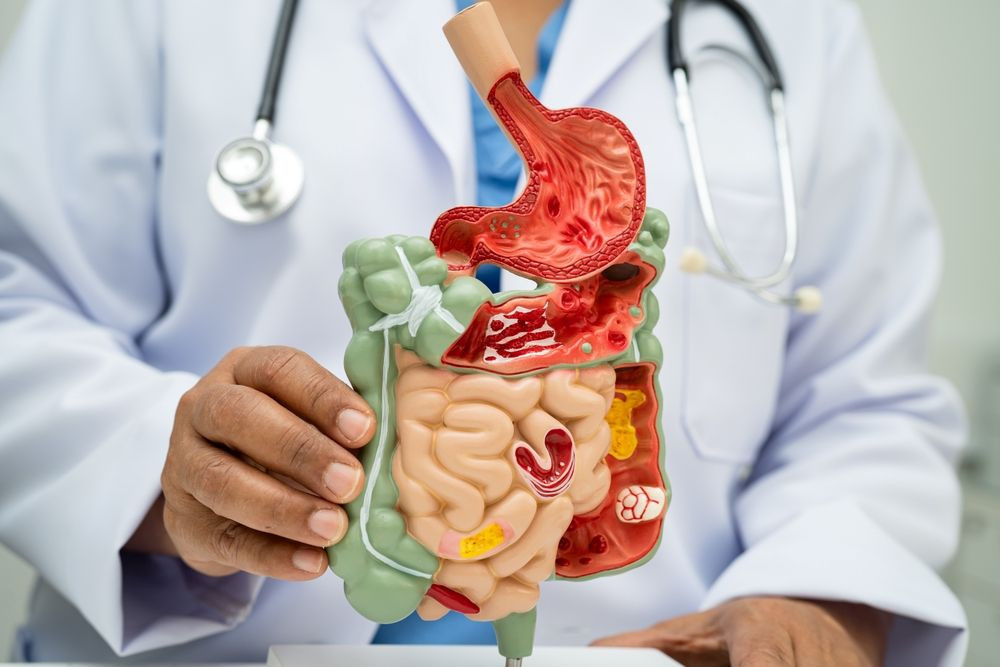
World Digestive HealthDigestive health usually gets attention only when something goes wrong.
But the truth is, good digestive health is built quietly, through small daily habits repeated consistently over time.
As we recognize World Digestive Health Day this month (May 29), it’s worth stepping back from the trends, supplements, and internet “gut hacks” to focus on what actually works.
One way to avoid digestive issues and inflammation, Dr. Khokhar says, is to avoid eating convenience or ultra processed food.
If you can only do two things to improve your gut health, Dr. Khokhar says adopt these two habits.
World Digestive Health
Digestive health usually gets attention only when something goes wrong. But the truth is, good digestive health is built quietly, through small daily habits repeated consistently over time.
As we recognize World Digestive Health Day this month (May 29), it’s worth stepping back from the trends, supplements, and internet “gut hacks” to focus on what actually works.
Omar Khokhar, MD, a gastroenterologist at OSF HealthCare, says your digestive system is remarkably resilient and if you support it well, it often returns the favor for decades.
One way to avoid digestive issues and inflammation, Dr. Khokhar says, is to avoid eating convenience or ultra processed food.
Avoid ultra processed food
“So for me, ultra processed food is something that comes out of a wrapper, out of a box, out of a can. It’s something that was made in a factory 300 miles away, two months ago that you now see in your local grocery store. So, there is a convenience factor, but we're starting to see that we're paying for that convenience because those foods are difficult to digest and they can result in inflammatory changes to your gut.”
Dr. Khokhar notes that while genetics can influence the risk of conditions such as celiac disease, inflammatory bowel disease and digestive cancers, daily habits still play a major role in long-term gut health. He says research now shows that when the lining of your gut is disrupted, it can have negative impacts.
“So, the more that we don't do on a daily basis, whether it's fiber, having good bowel movement, making sure we keep a good microbiome, that may result over time in disruption of the mucosal or lining of your stomach and your intestine,” he says.
When that happens, Dr. Khokhar points out, the body will absorb things it shouldn’t, and it won’t be getting what nutrients it should be getting.
If you can only do two things to improve your gut health, Dr. Khokhar says adopt these two habits.
“Flush the pipes. Make sure you drink enough water. Make sure you get enough fiber – whether that’s in diet, whether that’s a supplement, it really doesn’t matter to me at this point. If you get enough fiber and you flush your pipes and you’re evacuating your G.I. tract, it’s going to help remove the waste product.” He adds, “Once you remove the waste product from the colon, everything else can flow down.”
For fiber, Dr. Khokhar says focus on foods found around the perimeter of the grocery store, including fruits, vegetables, and lean proteins.
Walk after meals
One other good habit to consider – taking a walk after meals. Dr. Khokhar advises even short walks can improve digestion and reduce discomfort.
“After you eat, go for an eight-to-10-minute walk. The activity helps everything, literally from a gravity point of view, a physical point of view, a gas expulsion point of view.” He adds, “It almost helps you reset and recalibrate before you inevitably in our society – we sit back down.”
A final point from Dr. Khokhar – do not to ignore persistent abdominal pain or major changes in bowel habits. He warns those symptoms can sometimes signal more serious conditions, including colon cancer.
Dr. Khokhar is a gastroenterologist practicing at OSF HealthCare in Bloomington, Illinois.