They can also consider an applicant’s use of certain public benefits when assessing whether the person is likely to become a public charge.
USCIS officers can also consider the use of public benefits by an applicant’s dependents, regardless of the dependent’s immigration status.
If an officer finds that a person applying for lawful permanent residence is inadmissible solely because they are likely to become a public charge, USCIS may invite the applicant to post a public charge bond.
The policy change follows the Department of Homeland Security’s decision to rescind the Biden administration’s 2022 public charge regulations.
Several categories of immigrants are exempt from the public charge ground of inadmissibility.
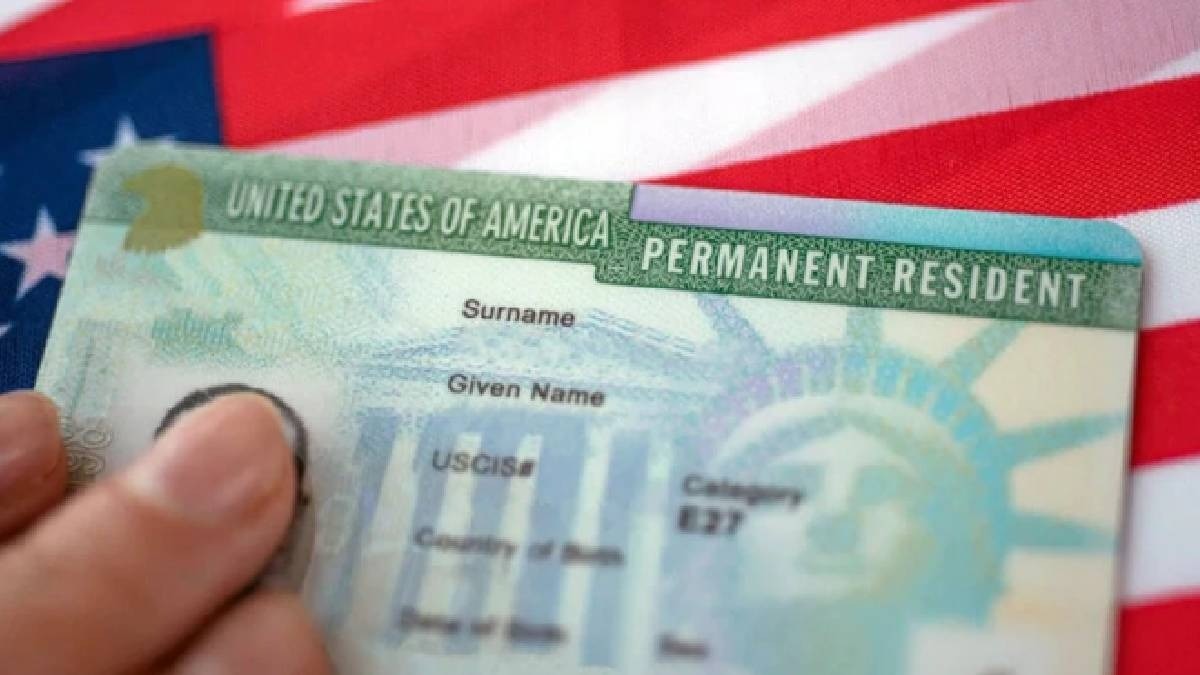
Indians seeking US green cards could face greater scrutiny under a new Trump administration rule that expands the definition of a “public charge” and gives immigration officers wider discretion to assess whether applicants are likely to depend on government assistance.
The new rule, finalised by the US Citizenship and Immigration Services (USCIS), will take effect on September 18. It will apply to Form I-485 applications for permanent residence or adjustment of status that are postmarked or submitted electronically on or after that date.
Read Full Story
Under the earlier rule, only two types of public benefits were considered when determining whether an applicant could be classified as a public charge: cash assistance for income maintenance and long-term institutionalisation at government expense.
The new rule significantly broadens the assessment. USCIS officers will consider five statutory factors: an applicant’s age, health, family status, financial resources, and education and skills. They can also consider an applicant’s use of certain public benefits when assessing whether the person is likely to become a public charge.
The benefits that could be considered include cash assistance for income maintenance, housing assistance, food stamps, financial aid for college and similar means-tested benefits.
USCIS officers can also consider the use of public benefits by an applicant’s dependents, regardless of the dependent’s immigration status. This could have implications for families in which some members are US citizens or have a different immigration status.
In an official statement, USCIS said officers would consider the five statutory factors and any other factor relevant to determining whether an applicant is likely to become a public charge at any time.
If an officer finds that a person applying for lawful permanent residence is inadmissible solely because they are likely to become a public charge, USCIS may invite the applicant to post a public charge bond.
The policy change follows the Department of Homeland Security’s decision to rescind the Biden administration’s 2022 public charge regulations. The final rule was announced on July 16 and published in the Federal Register on July 20.
Immigration attorneys Cyrus Mehta and Damira Zhanatova told PTI that the new rule would give officers greater discretion when deciding adjustment of status applications. Their analysis also pointed to a USCIS memo indicating that adjustment of status involves an element of extraordinary discretion.
The wider definition could also have consequences for immigrant families who rely on public assistance programmes.
According to the Kaiser Family Foundation, about 13.5 million Medicaid or CHIP enrollees live with at least one non-citizen, including about 5.6 million US citizen children. Its analysis found that between 1.4 million and 4.1 million Medicaid and CHIP enrollees living with a non-citizen could leave the programmes because of concerns related to the new rule.
advertisement
However, the rule does not apply to all green card applicants. Several categories of immigrants are exempt from the public charge ground of inadmissibility.
These include refugees and asylees, certain Afghan and Iraqi nationals who worked with or for the US government, certain Cuban and Haitian entrants, special immigrant juveniles, victims of human trafficking, victims of qualifying criminal activity, certain Violence Against Women Act self-petitioners and applicants for Temporary Protected Status, among others.
The rule is particularly significant for Indian applicants because of the large number of Indians who receive US green cards each year.
Of the nearly 1.2 million people who received green cards in 2023, about 78,100, or 7%, were from India. About 60% of Indians who received green cards that year did so either as immediate relatives of US citizens or green card holders or through other family-based categories.
The new rule does not mean that receiving a public benefit will automatically lead to a green card application being rejected. Instead, USCIS officers will weigh such benefits alongside an applicant’s age, health, family circumstances, finances and education and skills when making a public charge determination.
advertisement
For Indian applicants, the key change is the broader range of factors that can now be considered and the greater discretion available to immigration officers. Applications filed on or after September 18 will be assessed under the revised framework.
- Ends
With inputs from PTI