News world Trump’s Military Strikes Fail To Break Iran: Can ‘Never Seen Before’ Sanctions Force Tehran To Surrender?
Trump’s Military Strikes Fail To Break Iran: Can ‘Never Seen Before’ Sanctions Force Tehran To Surrender?
The United States has imposed sanctions on Iran for decades, with only a brief easing after the 2015 nuclear deal.
Danny Citrinowicz, an Israeli expert on Iran, said Tehran was more likely to escalate before giving in.
How does Iran bypass international oil sanctions?
News world Trump’s Military Strikes Fail To Break Iran: Can ‘Never Seen Before’ Sanctions Force Tehran To Surrender?
Trump’s Military Strikes Fail To Break Iran: Can ‘Never Seen Before’ Sanctions Force Tehran To Surrender?
Published By :
,
Last Updated: August 19, 2026, 20:00 IST
Iran is also relying on the Strait of Hormuz as leverage. The American Navy continues to blockade the strait, with only a few ships getting through.
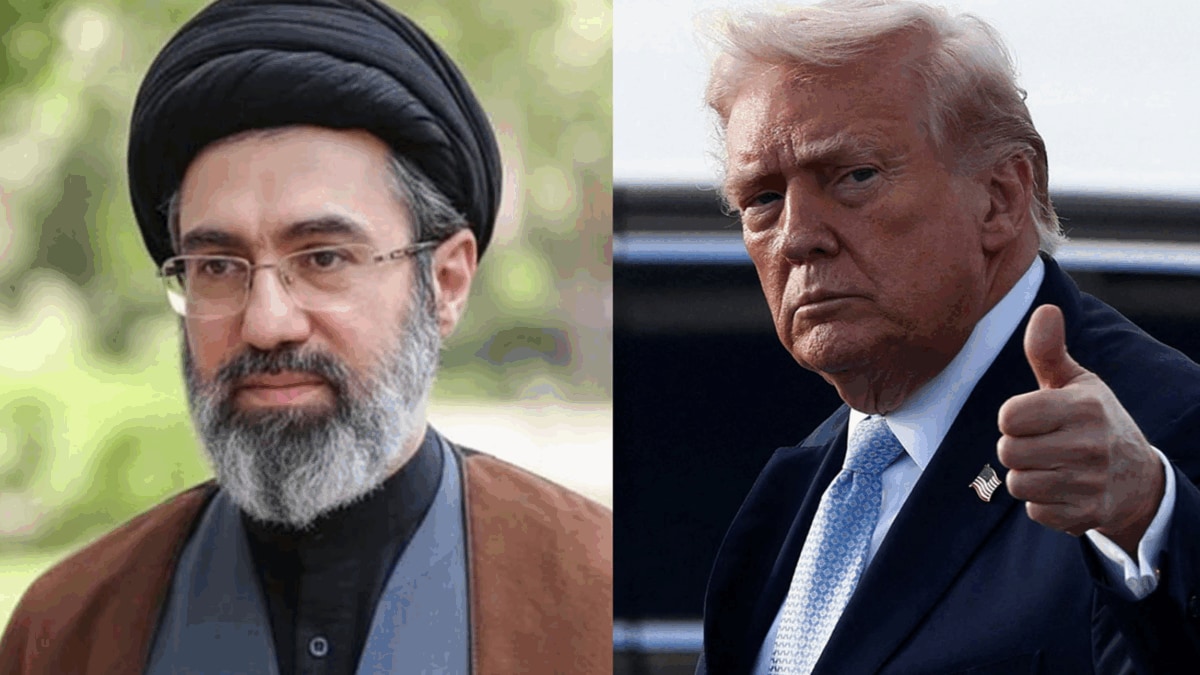
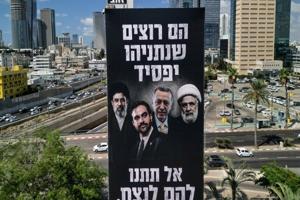
Iran's Supreme Leader Mojtaba Khamenei and US President Donald Trump (R). (Photos: Reuters/X)
Unable to break Tehran with military strikes, the US is now threatening Tehran with what Treasury Secretary Scott Bessent has called “never before seen" economic measures, as President Donald Trump looks to increase pressure on the country to surrender. But Iran, after decades of sanctions, is betting it can withstand even tougher measures.
The United States has imposed sanctions on Iran for decades, with only a brief easing after the 2015 nuclear deal. Trump abandoned that agreement in 2018 and later promised a policy of “maximum pressure".
Iran Has Learnt To Live With Sanctions
Experts, as quoted by New York Times, say Iran’s economy is in serious trouble but has not collapsed.
Danny Citrinowicz, an Israeli expert on Iran, said Tehran was more likely to escalate before giving in. Iran has also developed ways to cope with economic restrictions, including smuggling networks and new markets, particularly for oil, stated the NYT report.
The US and international sanctions helped push Iran towards the 2015 nuclear agreement. Under that deal, then Supreme Leader Ayatollah Ali Khamenei authorised talks to restrict Iran’s nuclear programme in return for frozen assets and sanctions relief.
Since Trump withdrew from the agreement, Iran has adapted to prolonged economic pressure, added the NYT report.
Oil Keeps Iran Going
Iran has expanded its economic ties with Russia and China while selling most of its oil at a discount to China. It also uses small Chinese refineries, known as “teapots", which are less exposed to US sanctions.
Tehran has developed a “shadow fleet" to move oil, transferring it between ships and disguising its origin. It has also reduced imports and use of the dollar, relying on foreign banks and barter arrangements.
Since the war and the US blockade, Iran has stored oil onshore and in older tankers. Some oil has also been moved by road and rail, while production at some wells has been reduced.
When the US blockade was temporarily lifted after the June memorandum of understanding, Iran exported another 80 million barrels, according to Brett Erickson of Obsidian Risk Advisors.
Before the war, Iran exported about 1.8 million barrels of oil a day. Despite the conflict, higher oil prices mean Iran is ahead of its budgeted oil sales for the year, Erickson said.
Economy Hurting, But Regime Holds Firm
Iran’s economy has suffered, with industrial activity contracting for the first time in eight years since the war began in February, according to Esfandyar Batmanghelidj of the Bourse & Bazaar Foundation.
Inflation and weakness in the job market are expected to create further problems. But Batmanghelidj said this would not necessarily lead to a different political outcome.
Iranian Foreign Ministry spokesman Esmail Baghaei said new US measures would have “no effect on Iran’s position".
Suzanne Maloney of the Brookings Institution said the success of economic pressure would depend on whether US resilience was greater than that of Iran’s regime.
Hormuz Becomes Key Leverage
Iran is also relying on the Strait of Hormuz as leverage. The American Navy continues to blockade the strait, with only a few ships getting through. Traffic has fallen by more than 90 per cent from before the war.
Tehran is betting that the disruption will increase economic pressure on US allies and force Trump back to negotiations.
Millions of barrels of oil are missing from global markets, while strategic stockpiles in Europe and the US have been badly reduced. Qatar, Bahrain, Iraq and Kuwait have also been badly affected.
Saudi Arabia, Qatar and Oman have argued against further military escalation because Iran could target their energy infrastructure.
No Easy Deal In Sight
Trump says the war is necessary to prevent Iran from developing a nuclear weapon. But after the 2015 deal was abandoned, Iran increased enrichment and moved closer to becoming a nuclear-capable military power while continuing to deny that it sought a bomb, reports NYT.
Vali Nasr of Johns Hopkins University said trust in Trump is minimal in Iran and the 2015 deal has little credibility there. Trump is offering Iran little in return for reopening the Strait of Hormuz, with no US commitment to unfreeze assets or lift sanctions.
“There is no reasonable deal for Iran on the table," Nasr said, the NYT reported.
For now, Iran appears ready to absorb further economic pain rather than surrender its leverage, leaving the confrontation as a battle of economic wills.
News18 Newsletter Handpicked stories, in your inbox A newsletter with the best of our journalism submit
Key Questions Answered Powered by Ask News18 Will new sanctions force Iran to negotiate with the US? Despite new economic measures and military pressure, Iran has shown resilience and has not been forced into concessions or negotiations with the US. Iran's Foreign Ministry spokesperson stated that new US measures would have no effect on Iran's position. How does Iran bypass international oil sanctions? Iran bypasses international oil sanctions through a "shadow network" that includes covert ship-to-ship transfers of oil far from the Persian Gulf, using a fleet of 400 to 430 tankers. Powered by Ask News18
About the Author Shuddhanta Patra Senior Sub-Editor Shuddhanta Patra is an Indian journalist with about nine years of experience in covering national politics, geopolitics, defence, diplomacy and international affairs. Her reporting focuses on South As... Read More
Location : United States of America (USA)
First Published: August 19, 2026, 20:00 IST
Disclaimer: Comments reflect users’ views, not News18’s. Please keep discussions respectful and constructive. Abusive, defamatory, or illegal comments will be removed. News18 may disable any comment at its discretion. By posting, you agree to our Terms of Use and Privacy Policy Loading comments...