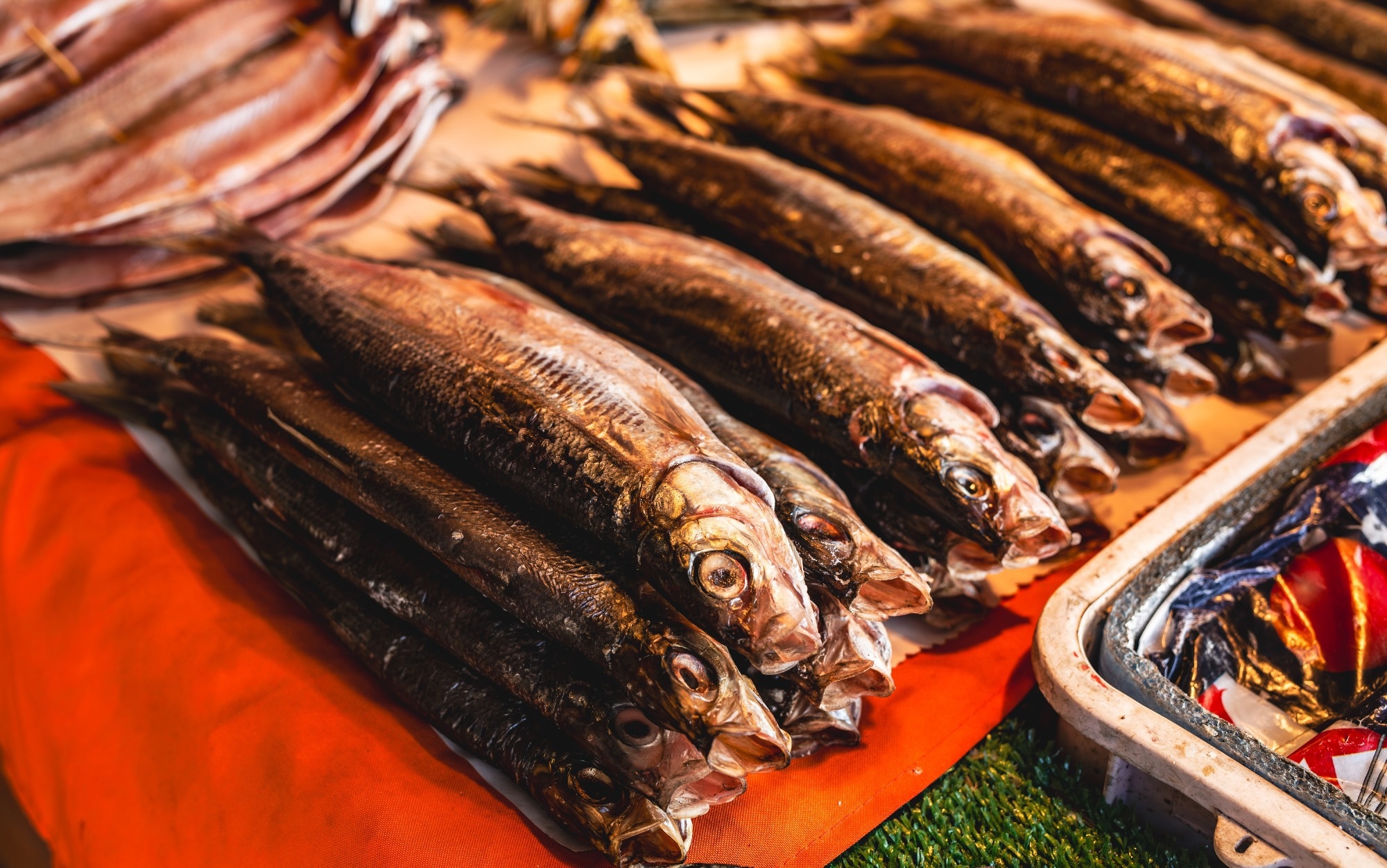
Traditional Yakut diets centered on locally available foods, particularly meat, fish, and dairy, which provided substantial protein and lipids.
Long-term dietary and environmental pressures may have driven population-specific genetic and metabolic adaptations; however, the diet's contribution to specific Yakut genetic traits remains uncertain.
Methodological differences prevented meta-analysis.2Genetic variation offers another avenue for investigating possible cold adaptation in Yakut populations.
The sample estimate should not be assumed to represent all Yakuts.3Overall, metabolic adaptation reflects interactions among genetics, environment, and lifestyle operating over different timescales.
Today, greater access to purchased foods and heated housing changes the conditions under which these dietary practices developed.3,7The reviewed papers do not establish that adopting a traditional Arctic diet improves health outside its original setting.
Introduction
Life in the Arctic: How the Yakutia diet evolved
Metabolic adaptation to cold climates
Inflammation and cardiometabolic health in Yakutia
The gut microbiome and Arctic adaptation
Applications and limitations for modern health
Human adaptability in context
References
Further reading
In one of Earth’s coldest inhabited regions, traditional foods, brown fat, and genetic variation raise questions about how humans meet the metabolic demands of extreme cold.
Image Credit: august1967 / Shutterstock.com
Introduction
Researchers study the traditional Yakutia diet, extreme Arctic and subarctic climate, genetics, and metabolic adaptations together to understand human life in one of the coldest inhabited regions on Earth. Studying these relationships informs research on precision nutrition and human adaptability, though establishing how diet contributes to particular metabolic traits requires direct human evidence.7,8
Life in the Arctic: How the Yakutia diet evolved
Yakutia, located in northeastern Siberia, is one of the coldest populated places on Earth, where temperatures drop below -60 °C. Traditional Yakut diets centered on locally available foods, particularly meat, fish, and dairy, which provided substantial protein and lipids. Horse and cattle breeding supported this food supply, with Yakutian horses providing meat and milk.1,3,7
As agriculture and transportation developed, access to carbohydrate-rich staples like potatoes, pasta, flour, rice, and buckwheat increased. Traditional and contemporary diets reflect food availability, cultural practices, and socioeconomic change. The PNPLA3 study describes a transition from diets based largely on animal foods toward greater reliance on carbohydrate-rich staples.3,7
The high proportion of protein- and lipid-rich foods provides protein and dietary energy that can support the demands of cold environments. Long-term dietary and environmental pressures may have driven population-specific genetic and metabolic adaptations; however, the diet's contribution to specific Yakut genetic traits remains uncertain. Seasonal changes also influence food availability, while historical Yakut diets varied across regions and social groups.3,7
What I Eat in a Day in the Coldest City on Earth −71°C (−95°F) Sakha Cuisine & Grocery Shopping Play
Metabolic adaptation to cold climates
Human survival in Arctic environments depends on physiological responses that drive energy use and heat production during prolonged cold exposure. Brown adipose tissue contributes to non-shivering thermogenesis, or heat production without muscle shivering, through mitochondrial uncoupling protein 1 (UCP1) activity.
A 2025 systematic review identified indirect evidence consistent with brown adipose tissue activity among adults living in Arctic regions. Its eight included studies relied on measures such as skin temperature, thyroid hormones, and genetic markers; these cannot definitively establish brown fat activity. Methodological differences prevented meta-analysis.2
Genetic variation offers another avenue for investigating possible cold adaptation in Yakut populations. In one study of 150 Yakut adults, researchers identified a high frequency of the patatin-like phospholipase domain-containing 3 (PNPLA3) rs738409 G variant, with a G allele frequency of 72% in that sample. This variant is also associated with liver fat accumulation and increased risk of nonalcoholic fatty liver disease. The sample estimate should not be assumed to represent all Yakuts.3
Overall, metabolic adaptation reflects interactions among genetics, environment, and lifestyle operating over different timescales. Short-term physiological responses and acclimatization, meaning physiological adjustment during a person’s lifetime, differ from inherited evolutionary adaptations. Separating these processes helps researchers assess whether observed metabolic differences reflect current living conditions, developmental influences, or genetic variation.8
Inflammation and cardiometabolic health in Yakutia
Arctic populations have historically relied on different combinations of fish, marine and terrestrial animal fats in regions with limited agricultural opportunities. These populations have distinct food traditions: findings from communities with substantial marine food intake cannot automatically be applied to Yakut diets based on local meat, fish, and dairy.3,7
Omega-3 fatty acids support lipid metabolism and immune function, but Kalyakulina and colleagues’ Yakutian inflammation study did not assess their dietary effects. It compared 137 participants from Yakutia with 300 from Central Russia and found differences in 17 cytokines, proteins involved in immune signaling. The SImAge inflammatory clock, a model that estimates biological age from immune markers, detected no statistically significant difference in age acceleration between the groups.4
Main characteristics of the study cohorts. (A) Geographic schematic representation of the location of Yakutia (silver) and Central Russia (Nizhny Novgorod Oblast, gold) on a globe. (B) Histogram of participants' age distribution. (C) Table showing selected features of interest for the compared cohorts: dataset and climate features, disease statistics, and blood cell estimates.4
These regional differences cannot establish that cold exposure caused the cytokine patterns or that traditional foods protect against cardiometabolic disease. Interpreting the findings requires information about food sources, habitual cold exposure, physical activity, and inherited metabolic traits. The inflammation study lacked detailed information on several potential confounders, or other factors that could help explain the associations, including daily living conditions and nutrition.4
Image Credit: ZCOOL HelloRF / Shutterstock.com
The gut microbiome and Arctic adaptation
Diet strongly influences gut microbiome composition, affecting nutrient processing, immune defenses, and systemic health. Food intake, host genetics, ambient conditions, and lifestyle factors shape microbial profiles.7
Evidence from yaks on the Tibetan Plateau shows that seasonal diet shifts are associated with gut microbiome changes that may support nitrogen and energy use during the cold season. Guo and colleagues examined diet and microbial composition in freely grazing yaks across four seasons. These studies concern herbivorous ruminants at high altitude, with digestive physiology and environmental pressures that differ from those of humans in Yakutia.5,6
In humans, traditional diets, host genetics, and microbial communities can influence nutritional responses. Altered microbial profiles do not prove that one eating style outperforms another or establish inherited adaptation to cold. Testing the contribution of the human microbiome would require studies linking diet and microbial function to measured metabolic responses in Yakut participants.7
Applications and limitations for modern health
The Yakutia diet provides a case study of variation in human nutrition. Over generations, dietary practices have changed in response to climate, food availability, local culture, and economic conditions. Modern nutritional research examines how these factors interact with genetic variation, but the reviewed studies do not establish an optimal macronutrient ratio for Yakut individuals or other populations.3,7,8
Traditional Arctic eating habits highlight the importance of access to nutrient-dense, locally available foods. Historical Yakut dietary patterns show how communities met nutritional demands in extreme cold using foods naturally available within surrounding environments. Today, greater access to purchased foods and heated housing changes the conditions under which these dietary practices developed.3,7
The reviewed papers do not establish that adopting a traditional Arctic diet improves health outside its original setting. Modern life can involve less cold exposure and physical effort, and genetic backgrounds also vary. The PNPLA3 findings make liver health relevant to this discussion: a proposed historical adaptive role does not imply protection from metabolic disease under contemporary conditions.3,7
Human adaptability in context
Yakutia's traditional dietary habits illustrate how climate, culture, and biology jointly shape human nutrition. These practices reflect generations of adjustment to local resources and living conditions, with documented regional and social differences in food consumption.3,7
Contemporary research on Arctic populations examines brown adipose tissue activation, energy metabolism, inflammatory profiles, and gene-diet interactions as possible components of adaptation under chronic cold exposure. Connecting these findings requires direct measurements that distinguish diet effects from those of cold exposure and other living conditions. The causal contribution of the Yakutia diet to specific metabolic traits remains unresolved.2,3,4,7,8
References
Librado, P., Der Sarkissian, C., Ermini, L., et al. (2015). Tracking the origins of Yakutian horses and the genetic basis for their fast adaptation to subarctic environments. Proceedings of the National Academy of Sciences of the United States of America 112(50); E6889-E6897. DOI: 10.1073/pnas.1513696112. https://www.pnas.org/doi/suppl/10.1073/pnas.1513696112 Motzfeldt Jensen, M., Jørgensen, M. G., Elberling Almasi, C., & Andersen, S. (2025). Effect of habitual cold exposure on brown adipose tissue activity in Arctic adults: A systematic review. International Journal of Circumpolar Health, 84(1). DOI: 10.1080/22423982.2025.2545059. https://www.tandfonline.com/doi/full/10.1080/22423982.2025.2545059 Pavlova, N. I., Bochurov, A. A., Alekseev, V. A., et al. (2023). The variability of PNPLA3 gene as a potential marker of cold adaptation in Yakuts. International Journal of Circumpolar Health, 82(1). DOI: 10.1080/22423982.2023.2246647. https://www.tandfonline.com/doi/full/10.1080/22423982.2023.2246647 Kalyakulina, A., Yusipov, I., Kondakova, E., et al. (2024). Inflammaging markers in the extremely cold climate: A case study of Yakutian population. International Journal of Molecular Sciences 25(24). DOI: 10.3390/ijms252413741. https://www.mdpi.com/1422-0067/25/24/13741 Jing, X., Ding, L., Zhou, J., et al. (2022). The adaptive strategies of yaks to live in the Asian highlands. Animal Nutrition 9, 249-258. DOI: 10.1016/j.aninu.2022.02.002. https://www.sciencedirect.com/science/article/pii/S2405654522000294 Guo, N., Wu, Q., Shi, F., et al. (2021). Seasonal dynamics of diet–gut microbiota interaction in adaptation of yaks to life at high altitude. npj Biofilms and Microbiomes 7. DOI: 10.1038/s41522-021-00207-6. https://www.nature.com/articles/s41522-021-00207-6 Pathak, A. K., Kolesnikova, A., Sambrekar, D. U., et al. (2025). Precision nutrition across climates: Decoding diet, tradition, and genomic adaptations from South Asia to the Arctic. Frontiers in Nutrition 12. DOI: 10.3389/fnut.2025.1638843. https://www.frontiersin.org/journals/nutrition/articles/10.3389/fnut.2025.1638843/full Leonard, W. R. (2018). Centennial perspective on human adaptability. American Journal of Physical Anthropology 165(4); 813-833. DOI: 10.1002/ajpa.23401. https://onlinelibrary.wiley.com/doi/full/10.1002/ajpa.23401
Further Reading