A landmark global consensus involving 56 academic, clinical, and patient organisations across all world regions has proposed renaming polycystic ovary syndrome (PCOS) to polyendocrine metabolic ovarian syndrome (PMOS).
As PMOS repositions this condition integrating metabolic components at its core, metformin reiterates as a metabolic anchor in this redefined clinical landscape.
The transition from PCOS to PMOS reflects growing recognition that insulin resistance and compensatory hyperinsulinaemia drive androgen excess, disrupted steroidogenesis, ovulatory dysfunction, and metabolic abnormalities.
Ovulation was restored in 68% of previously anovulatory women (15/22), indicating metformin's reproductive benefit alongside metabolic correction.
✔ Metformin remains a key metabolic anchor in PMOS, targeting insulin resistance and hyperandrogenism while supporting ovulatory function, weight management, and long-term cardiometabolic risk reduction across diverse patient populations.
A landmark global consensus involving 56 academic, clinical, and patient organisations across all world regions has proposed renaming polycystic ovary syndrome (PCOS) to polyendocrine metabolic ovarian syndrome (PMOS). The change in name reflects a critical reframing and relevant emphasis that, only ovarian cysts are not the disease, but hyperinsulinaemia, insulin resistance, and their metabolic sequels are important facets too. , In India, up to 19.6% of women are affected, with the majority carrying at least one metabolic comorbidity. As PMOS repositions this condition integrating metabolic components at its core, metformin reiterates as a metabolic anchor in this redefined clinical landscape.
From PCOS to PMOS: Why It Matters Clinically?
The transition from PCOS to PMOS reflects growing recognition that insulin resistance and compensatory hyperinsulinaemia drive androgen excess, disrupted steroidogenesis, ovulatory dysfunction, and metabolic abnormalities. This reframing emphasizes clinical focus that is more holistic, beyond managing isolated reproductive symptoms toward addressing the underlying metabolic drivers of disease. Consequently, metformin remains a key metabolic anchor in PMOS, targeting these core drivers while controlling weight and waist circumference gain and mitigating reproductive and cardiometabolic risks, making it a relevant, integrated, long-term approach to patient care.1,2,
Metformin's Mechanistic Fit in PMOS
Metformin activates AMPK in ovarian theca cells, suppressing androgen synthesis and mitigating hyperandrogenism. Its insulin-sensitising action addresses the insulin resistance prevalent in up to 80% of PMOS patients, while modestly lowering weight and restoring menstrual regularity and fertility outcomes. Metformin also modulates inflammatory cytokines (TNF-α, IL-6) via NF-κB and NLRP3 pathways, with central metabolic actions linked to GDF-15-mediated appetite regulation; GLP-1 receptor agonists combined with metformin further enhance these anti-inflammatory and ovulatory benefits. The key clinical benefits of metformin in PMOS are summarised below.
Figure 1: Key Clinical Benefits of Metformin in PMOS
Metformin in PMOS - Clinical Evidence
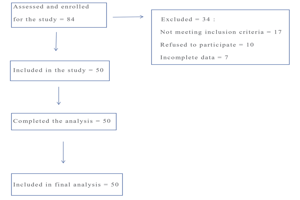
Metformin – Metabolic and Hormonal Outcomes- Indian Prospective Study: In a prospective study at a West Bengal tertiary centre (n=50, PCOS [now, PMOS]), metformin 1500 mg/day over one year reduced fasting insulin from 11.97±2 to 7.44±1.12 μIU/mL, total testosterone from 0.76±0.3 to 0.59±0.1 ng/dL, LH from 20.01±7.3 to 8.55±2 mIU/mL, and LH:FSH ratio from 2.31 to 1.11, with BMI falling from 24.07±5 to 22.88±3 kg/m² and body weight from 54.02±8.2 to 51.52±5.8 kg. Ovulation was restored in 68% of previously anovulatory women (15/22), indicating metformin's reproductive benefit alongside metabolic correction.
Low-Dose Metformin Combined with COCs-Retrospective Research: In a retrospective cohort study (n=80, PCOS [now, PMOS]), low-dose metformin 500 mg twice daily combined with COCs for at least 24 months reduced HOMA index from 3.2±1.7 to 2.5±1.4, fasting insulin from 18.3±9.7 to 16.1±6.0 μIU/mL, total testosterone from 0.7±0.4 to 0.4±0.2 ng/dL, BMI from 28.7±7.2 to 26.5±3.7 kg/m², and ovarian volume from 9.7±5.7 to 5.4±2.7 cm³, while SHBG rose from 66±38.2 to 76.8±33.2 nmol/L. These gains persisted ≥2 years post-discontinuation, establishing low-dose metformin as a durable early intervention strategy.
Metformin with Lifestyle Intervention-Indian Experience: In an open-label RCT in Indian women with PCOS (now, PMOS) (n=72), metformin monotherapy 1000mg twice daily over 12 weeks, alongside a 500 kcal/day deficit and ≥150 min/week activity, reduced HOMA-IR from 4.69±0.68 to 4.50±0.65, fasting insulin from 21.1±2.5 to 20.7±2.4 μIU/mL, total testosterone from 0.747±0.205 to 0.72±0.20 ng/dL. These findings confirm metformin's consistent metabolic benefit even over a short intervention window.
Expert Perspective
As PCOS is redefined as PMOS, metformin's role evolves as a holistic cornerstone of metabolic care, addressing insulin resistance, hyperandrogenism, and ovulatory dysfunction while delivering durable metabolic benefits confirmed across Indian and global clinical evidence.
Practice Takeaways
✔ PMOS reframes PCOS as a systemic polyendocrine–metabolic disorder, recognising insulin resistance and hyperinsulinaemia as central drivers of reproductive, endocrine, and cardiometabolic dysfunction rather than viewing it solely as an ovarian condition.
✔ Metformin remains a key metabolic anchor in PMOS, targeting insulin resistance and hyperandrogenism while supporting ovulatory function, weight management, and long-term cardiometabolic risk reduction across diverse patient populations.
Abbreviations: PCOS, polycystic ovary syndrome; PMOS, polyendocrine metabolic ovarian syndrome; BMI, body mass index; HOMA-IR, homeostatic model assessment for insulin resistance; LDL-C, low-density lipoprotein cholesterol; HDL-C, high-density lipoprotein cholesterol; LH, luteinizing hormone; FSH, follicle-stimulating hormone; COCs, combined oral contraceptives; SHBG, sex hormone-binding globulin; AMPK, AMP-activated protein kinase; TNF-α, tumor necrosis factor-alpha; IL-6, interleukin-6; NF-κB, nuclear factor kappa-light-chain-enhancer of activated B cells; NLRP3, NOD-like receptor family pyrin domain containing 3; GDF-15, growth differentiation factor-15; GLP-1, glucagon-like peptide-1; ASRM, American Society for Reproductive Medicine; FOGSI, Federation of Obstetric and Gynaecological Societies of India; RCT, randomized controlled trial.