Iran's Foreign Minister Seyed Abbas AraghchiNegotiation with WitkoffTwo miscalculationsPoll Vote & Share your view Do you agree with the stance by Iran on resisting US demands during negotiations?
When they saw that they couldn't achieve what they wanted through negotiations, they started the war.
""I said, have you ever been on a phone call and thought that at any moment while you're talking you might explode?
Have you ever checked in on your family over the phone and thought this might be the last time?
When we go in, fully expecting that anything could happen to us at any moment, you can't scare me.
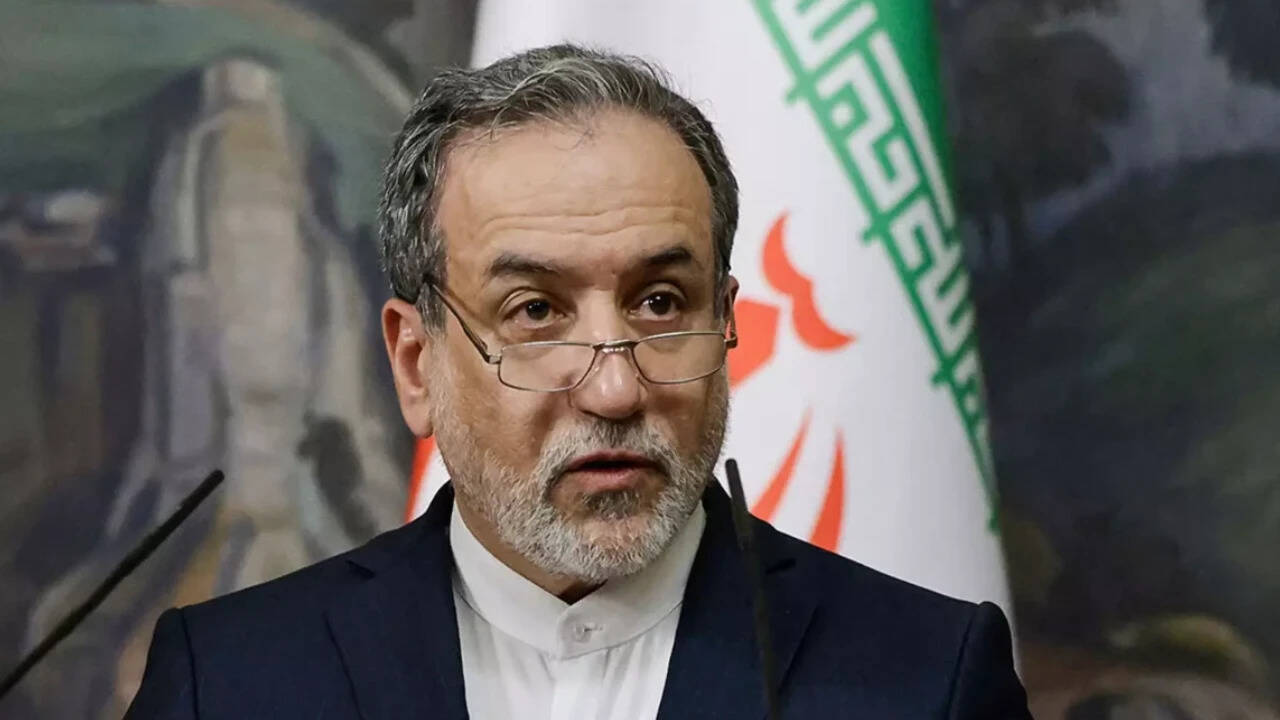
Iran's Foreign Minister Seyed Abbas Araghchi
Negotiation with Witkoff
Two miscalculations
Poll Vote & Share your view Do you agree with the stance by Iran on resisting US demands during negotiations? Yes, they should resist unreasonable demands No, they should compromise for peace 3k+ users shared opinion today 5k+ users already voted today 3k+ users shared opinion today Share Opinion
Iranian foreign minister Abbas Araghchi detailed his position on the current war in the Middle East and shared an excerpt from his negotiations with Witkoff during an interview with Mehr News.Araghchi said the US had entered negotiations demanding zero uranium enrichment before the 12-day war. "In response to the illegal and unreasonable demand for zero enrichment, we resisted and stood firm. When they saw that they couldn't achieve what they wanted through negotiations, they started the war."He said Iran's steadfastness at the negotiating table forced the US to choose the harder path. "They were defeated in the 12-day war."Araghchi recounted a conversation with US envoy Steve Witkoff, asking: "Have you ever been in a meeting where at any moment you think the whole meeting might be bombed? They just stared at me blankly.""I said, have you ever been on a phone call and thought that at any moment while you're talking you might explode? Have you ever checked in on your family over the phone and thought this might be the last time? We have experienced these things and we stood our ground.You have to talk to us differently. You can't threaten us, and you can't bribe us."Araghchi said the US had offered to build power plants and infrastructure in exchange for concessions. "I said no bribes, no threats. You can only threaten someone who's afraid. When we go in, fully expecting that anything could happen to us at any moment, you can't scare me."Araghchi also referenced the January 3 US operation that captured Venezuelan President Nicolas Maduro and flew him to New York for trial. "This isn't Venezuela where you take one person and everyone else gets scared and backs down."Araghchi said the US made two miscalculations. "The story of the 40-day war starts here when after the 12-day war, in my opinion, they made another miscalculation — that they didn't account for the resistance. They should have been more prepared.""The Zionist regime thought that with a short attack they could destroy everything, dismantle it, and then the system would collapse and the Islamic Republic would surrender. When that didn't happen, because they weren't prepared for a prolonged war and because the people didn't turn away and supported the system, they were forced to stop the war."