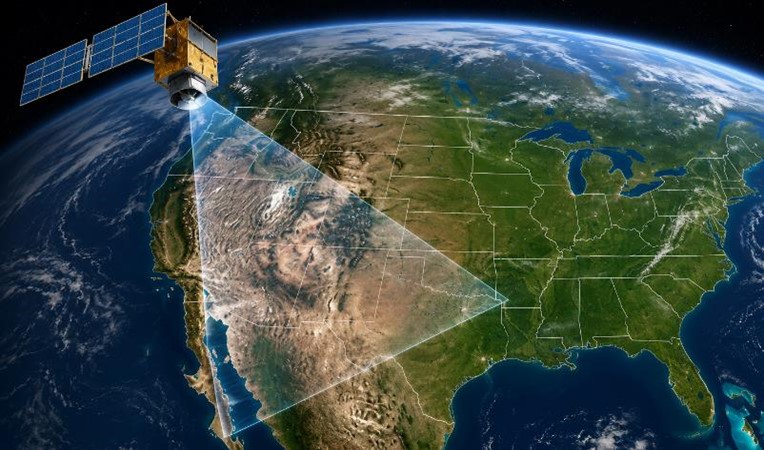
21 May 2026NASA develops AI system to track harmful algal blooms using satellite dataNASA researchers have developed an AI system designed to combine satellite datasets to improve monitoring of harmful algal blooms.
The system uses self-supervised machine learning to analyse patterns across five satellite missions and instruments, helping researchers identify blooms in regions including western Florida and Southern California.
Harmful algal blooms can affect ecosystems, wildlife, coastal environments, and public health.
The system was trained using satellite observations collected during 2018 and 2019 before being tested on later bloom events.
Harmful algal blooms are becoming an increasing concern for coastal economies, fisheries, tourism, biodiversity, and public health systems worldwide.
21 May 2026
NASA develops AI system to track harmful algal blooms using satellite data
NASA researchers have developed an AI system designed to combine satellite datasets to improve monitoring of harmful algal blooms.
The system uses self-supervised machine learning to analyse patterns across five satellite missions and instruments, helping researchers identify blooms in regions including western Florida and Southern California. According to researchers, the approach could support environmental monitoring and earlier identification of marine health risks.
Harmful algal blooms can affect ecosystems, wildlife, coastal environments, and public health. In parts of Florida, blooms caused by Karenia brevis have disrupted coastal communities for decades, while toxic blooms along the US West Coast have harmed dolphins, sea lions, and other marine species.
NASA researchers said the system combines information from multiple satellite observation technologies. Instruments such as the PACE satellite and the TROPOMI monitoring instrument help identify algae characteristics, including pigment, fluorescence, and biological activity across ocean surfaces.
The researchers said the self-supervised AI model identifies relationships between datasets without relying heavily on manually labelled data. The system was trained using satellite observations collected during 2018 and 2019 before being tested on later bloom events.
Michelle Gierach of NASA’s Jet Propulsion Laboratory said the system could help environmental agencies identify areas for water sampling earlier during bloom development. Researchers said combining satellite observations with field data may improve coordination between scientific and public health teams.
The project team said the system is being expanded using additional coastal and freshwater datasets.
Why does it matter?
NASA’s development highlights growing use of AI and satellite intelligence for environmental monitoring and climate-related risk management. Harmful algal blooms are becoming an increasing concern for coastal economies, fisheries, tourism, biodiversity, and public health systems worldwide.
Would you like to learn more about AI, tech and digital diplomacy? If so, ask our Diplo chatbot!