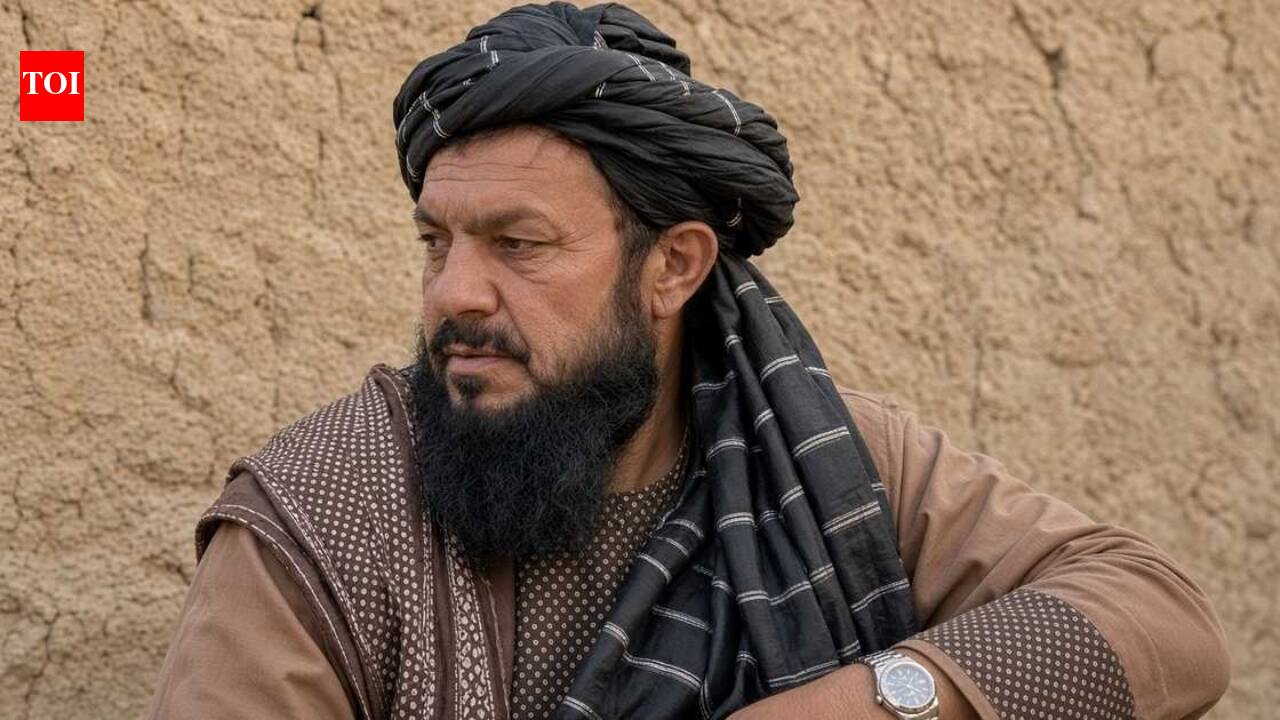
Muhammad Sadeq: Meet the Afghan man who fathered 70 children with four wives despite living in poverty; 58 of them are alive, and he ‘cannot remember all their names’Image courtesy: BBC Global WomanWho is Muhammad Sadeq, and how did his family become so large?
What Sadeq’s story reveals about Afghanistan's humanitarian crisisWhat does Muhammad Sadeq want for his children?
That’s the reality for Muhammad Sadeq, a 57-year-old man living in Afghanistan’s Uruzgan province.
Sadeq’s wives were teens (just 13 to 16) when they married him, a common enough story in Afghanistan, but one that carries lifelong consequences.
For them, having enough to eat or a few years in school isn’t just a hope.
Muhammad Sadeq: Meet the Afghan man who fathered 70 children with four wives despite living in poverty; 58 of them are alive, and he ‘cannot remember all their names’Image courtesy: BBC Global Woman
Who is Muhammad Sadeq, and how did his family become so large?
What Sadeq’s story reveals about Afghanistan's humanitarian crisis
What does Muhammad Sadeq want for his children?
Try to picture a life where you can’t remember the names of your own kids; not because you don’t love them, but because there are just too many. That’s the reality for Muhammad Sadeq, a 57-year-old man living in Afghanistan’s Uruzgan province. He’s fathered more than 70 children with four wives, though only 58 are still alive. His youngest was a newborn during his BBC interview in October 2026. Even the most devoted parents would struggle in his shoes, but add in extreme poverty, and life becomes a nearly impossible balancing act.Look closely, and you'll see that Sadeq’s world looks nothing like the stereotypes you might have in your head about huge families and bustling household joy. He sells cars, making a commission of about 1,000 Afghanis, but only if he actually sells a car. There’s no steady paycheck, no backup plan, just this fragile thread keeping a family of over sixty afloat. Their home barely shields them from sun and cold; in winter, blankets are sparse, and sometimes they use scraps of paper as fuel because firewood is out of reach. Hunger is common. Several of his children sleep with empty stomachs, and many can’t even get shoes.What makes Sadeq’s story stand out isn’t just the sheer size of his family, but what that number reveals about life in Afghanistan: the stresses of poverty, child marriage, and fragile health for mothers and children. Sadeq himself says he’s overwhelmed by the responsibility. He admits that if he’d known it would be this hard just to keep his children fed or in school, he wouldn’t have brought so many lives into the world.According to the BBC report, Muhammad Sadeq married his first wife at 20, and over the next few decades, added three more, often waiting years, scraping together money for the traditional bride price before each marriage. He says it was his devotion to Islam that guided his wish for a big family, as he hoped to raise more followers of the Prophet Muhammad. But that dream has come with enormous pain. Sadeq and his wives have lost 14 children, most to preventable diseases, or because they just couldn’t get the right care when the babies got sick. As for Sadeq, he blames illnesses like TB and measles, but really, it’s about what happens when basic healthcare is out of reach, and girls are married so young that their bodies aren’t ready for the strain of pregnancy and childbirth.Now, supporting dozens of children on an unpredictable commission is a daily struggle. Their house is cramped, poorly built, and divided by only thin curtains that do little to keep the cold out. In winter, the fact that several children have to share a single blanket isn’t unusual. The older kids help, collecting paper and plastic just so the family can get a little warmth from their cooking fire. Sadeq tries to keep track of his children by counting them at night, sometimes realizing one isn’t there and is staying with a relative. It’s all so routine he sometimes calls them, simply, “son” or “child,” because the names all blur together.Admitting mistakes isn’t easy, especially for a father, but Sadeq doesn’t hide from the truth. He says outright that if he could do it over, he wouldn’t have had so many kids. Providing enough food and even basic safety is a challenge too great for one man; never mind education, shoes, or dreams.If you zoom out, you'll realise that Sadeq’s family is really just one window into Afghanistan’s wider crisis. The country has been battered for decades by war, and now poverty, a collapsed economy, and limited access to food and health services are squeezing the life out of families everywhere. UNICEF says that almost 22 million Afghans, over half the population, need humanitarian help. Food shortages keep getting worse. The United Nations expects nearly 40% of Afghans, which is roughly 19 million people, to struggle just to get through winter without running out of food. Malnutrition among children is rising, and for families like Sadeq’s, the unending pressure is felt in every meal skipped, every pair of bare feet, every lost chance for a better future.What's even more concerning is that the roots of the crisis go deep, especially when it comes to girls. Sadeq’s wives were teens (just 13 to 16) when they married him, a common enough story in Afghanistan, but one that carries lifelong consequences. Getting married so young usually means girls drop out of school. It limits their independence, exposes them to health risks, and traps them in a cycle of repeated pregnancy before their bodies (or minds) are ready for it. Child marriage is climbing in the country because families are desperate; sometimes it’s about paying off a debt or just having one less mouth to feed.Despite all this hardship, Sadeq’s own hopes are heartbreakingly modest. He wishes only that his children could have enough to eat, and maybe, just maybe, the chance to go to school. But even these small aims feel out of reach most days. Each child means another pair of hands, and another mouth to feed. Shoes, health, warmth, or an education? Those often stay just dreams.Although numbers seem to dominate Sadeq’s story, the real issue is quieter and far more painful: families scraping by, every single day a small test of survival, and children growing up hungry and barefoot. For them, having enough to eat or a few years in school isn’t just a hope. It’s the measure of what it means to have a shot at a future, even one that happens in a corner of the world where the odds seem never to be in their favor.