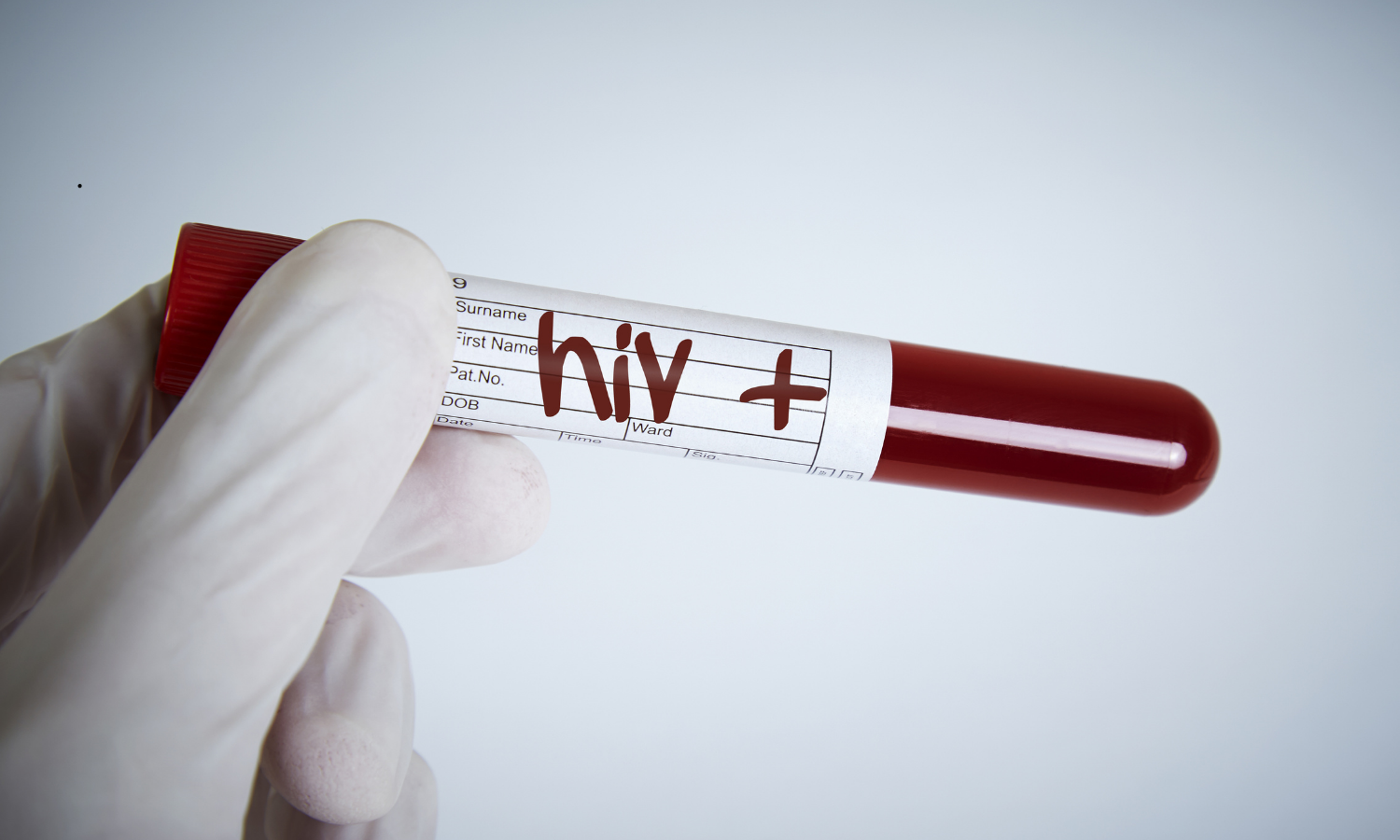
A cross-sectional study in 2024 titled ‘Determinants of High HIV Infection Prevalence in Vijayapura, Bagalkot, and Belagavi Districts in Karnataka, India,’ published in the National Library of Medicine, stated that high-risk populations, including men who have sex with men (MMS) and injecting drug users (IDU), significantly contribute to HIV infections in the State.
The paper revealed some interesting facts in which males constituted the majority of HIV cases, accounting for 448 (56.0%) in Vijayapura, 334 (51.4%) in Bagalkot, and 644 (61.1%) in Belagavi districts in Karnataka.
Moreover, the paper highlighted that a high prevalence of HIV was seen in adults aged between 25 and 49 years.
Similarly, in July 2025, the Indian Council of Medical Research and the National Institute of Epidemiology released a report, in which the medical body identified 54 high-priority districts in South India.
The report specifically identified Karnataka with approximately 2.80 lakh cases of People Living with HIV (PLHIV).
A cross-sectional study in 2024 titled ‘Determinants of High HIV Infection Prevalence in Vijayapura, Bagalkot, and Belagavi Districts in Karnataka, India,’ published in the National Library of Medicine, stated that high-risk populations, including men who have sex with men (MMS) and injecting drug users (IDU), significantly contribute to HIV infections in the State.
The paper revealed some interesting facts in which males constituted the majority of HIV cases, accounting for 448 (56.0%) in Vijayapura, 334 (51.4%) in Bagalkot, and 644 (61.1%) in Belagavi districts in Karnataka. Moreover, the paper highlighted that a high prevalence of HIV was seen in adults aged between 25 and 49 years.
Although the men contracting HIV belong to people from low socio-economic conditions, particularly daily wage workers having unprotected sex with multiple partners, there were systemic failures like a lack of follow-up consultations, negligence in public health practices, and poor compliance.
Similarly, in July 2025, the Indian Council of Medical Research and the National Institute of Epidemiology released a report, in which the medical body identified 54 high-priority districts in South India. The report specifically identified Karnataka with approximately 2.80 lakh cases of People Living with HIV (PLHIV).
Government initiatives to curb HIV infections in Bengaluru:
In March 2026, addressing the ‘Suraksha Sankalp Workshop’ organized by the National AIDS Control Organisation in Bengaluru as part of the nationwide implementation of the ‘Mission AIDS Suraksha,’ the then Principal Secretary of the Department of Health and Family Welfare, Government of Karnataka, Harsh Gupta opined that our primary goal is not just providing treatment to the infected but also preventing the spread of infection among high-risk groups, and along with providing treatment to HIV-infected persons, it is necessary to monitor them continuously so that they do not stop treatment midway.
Reportedly, through Red Ribbon Clubs (RRCs), with the support of the Government of India, the Karnataka government is also creating awareness programs on Adolescent Health Education, the HIV and AIDS (Prevention and Control) Act 2017, educating youth, women and the general population regarding Care and Support, and the reduction of Stigma and discrimination.
Although the Union Government is working on a war footing through ‘Mission AIDS Suraksha’ to make the country HIV-free by December 1, 2027, strengthening the public healthcare system, proper health communication on unprotected sex and sexually transmitted diseases, antiretroviral therapy (ART) use, and encouraging dialogue with different stakeholders at the grassroots level are still needed.