Menopause is often discussed as a women’s health issue, but its impact can extend well beyond the individual.
Symptoms can range from sleep disruption and exhaustion to anxiety, brain fog, hormonal changes and emotional distress.
“Women are expected to continue functioning normally while their bodies, emotions, sleep cycles and hormones are undergoing massive changes.
Compassion creates healthier homes.”Her own experience with severe menopause symptoms while living in the US helped shape her interest in the subject.
Empathy improves.”Ultimately, the conversation around menopause may need to move beyond symptoms and treatment to include relationships, family dynamics and emotional wellbeing.
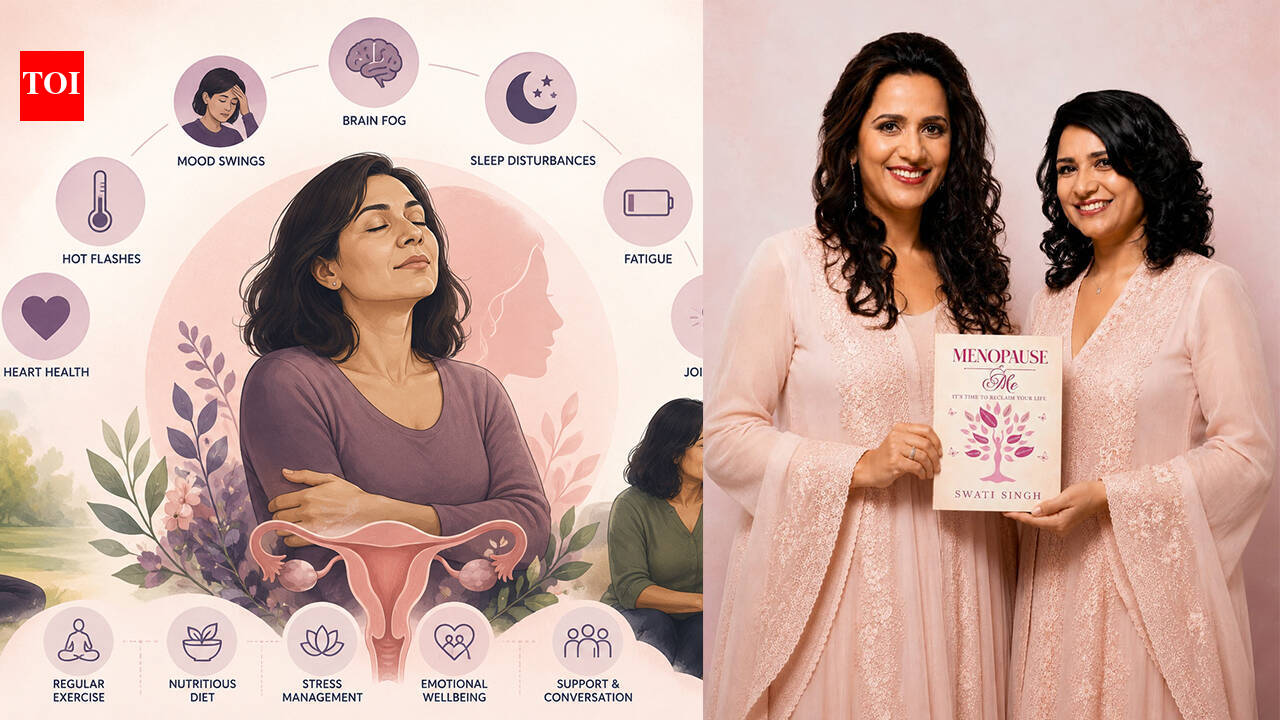
Menopause is often discussed as a women’s health issue, but its impact can extend well beyond the individual. In Indian households, a lack of awareness about perimenopause and menopause can leave couples struggling with changes in mood, sleep, energy, communication and emotional wellbeing—often without understanding what is behind them.Wellness advocates Swati Singh and Reshma Tiwari believe this silence needs to change. “Menopause is not just a women's issue. It is a family conversation,” says Singh. “Women spend their lives nurturing everyone around them, but during perimenopause and menopause, many are left navigating one of the biggest hormonal transitions of their lives completely alone.”The scale of the issue is significant. Estimates suggest that more than 130 million Indian women are currently in the menopausal age group, with menopause occurring at an average age of around 46–47 years in India. A large proportion experience symptoms, but stigma, limited awareness and lack of access to specialised support can prevent many from seeking help.Globally, more than a billion women are estimated to be in perimenopause, menopause or approaching it. Symptoms can range from sleep disruption and exhaustion to anxiety, brain fog, hormonal changes and emotional distress. For families, these changes can sometimes be mistaken for stress, irritability or simply “adjusting” to a new phase of life.Singh says the bigger gap is often emotional rather than medical. “Women are expected to continue functioning normally while their bodies, emotions, sleep cycles and hormones are undergoing massive changes. Understanding creates compassion. Compassion creates healthier homes.”Her own experience with severe menopause symptoms while living in the US helped shape her interest in the subject. Tiwari, a corporate finance professional and mother of two, was influenced by watching her mother navigate menopause with little awareness or emotional support.“The biggest misconception is that women should simply ‘adjust’ through menopause quietly,” says Tiwari. “When symptoms like sleep disruption, anxiety and brain fog go unsupported, they can affect relationships, communication and family dynamics.”Those experiences eventually led the duo to co-found ResetWell Plus, which focuses on education, conversations, community support and wellness resources around perimenopause and menopause. The platform is part of a wider effort to make the subject less taboo and encourage women and their families to seek informed support.The founders believe husbands and partners have an important role to play. Recognising that a woman’s physical and emotional changes may be linked to menopause can help couples approach difficult moments with greater empathy rather than misunderstanding.“When men understand perimenopause and menopause better, families become emotionally healthier,” says Tiwari. “Women feel seen instead of dismissed. Relationships improve. Communication improves. Empathy improves.”Ultimately, the conversation around menopause may need to move beyond symptoms and treatment to include relationships, family dynamics and emotional wellbeing. As Singh puts it, “The least society can do is stop making women suffer through these transitions in silence.” For ResetWell Plus, the goal is to replace that silence with awareness and open conversation—starting at home.