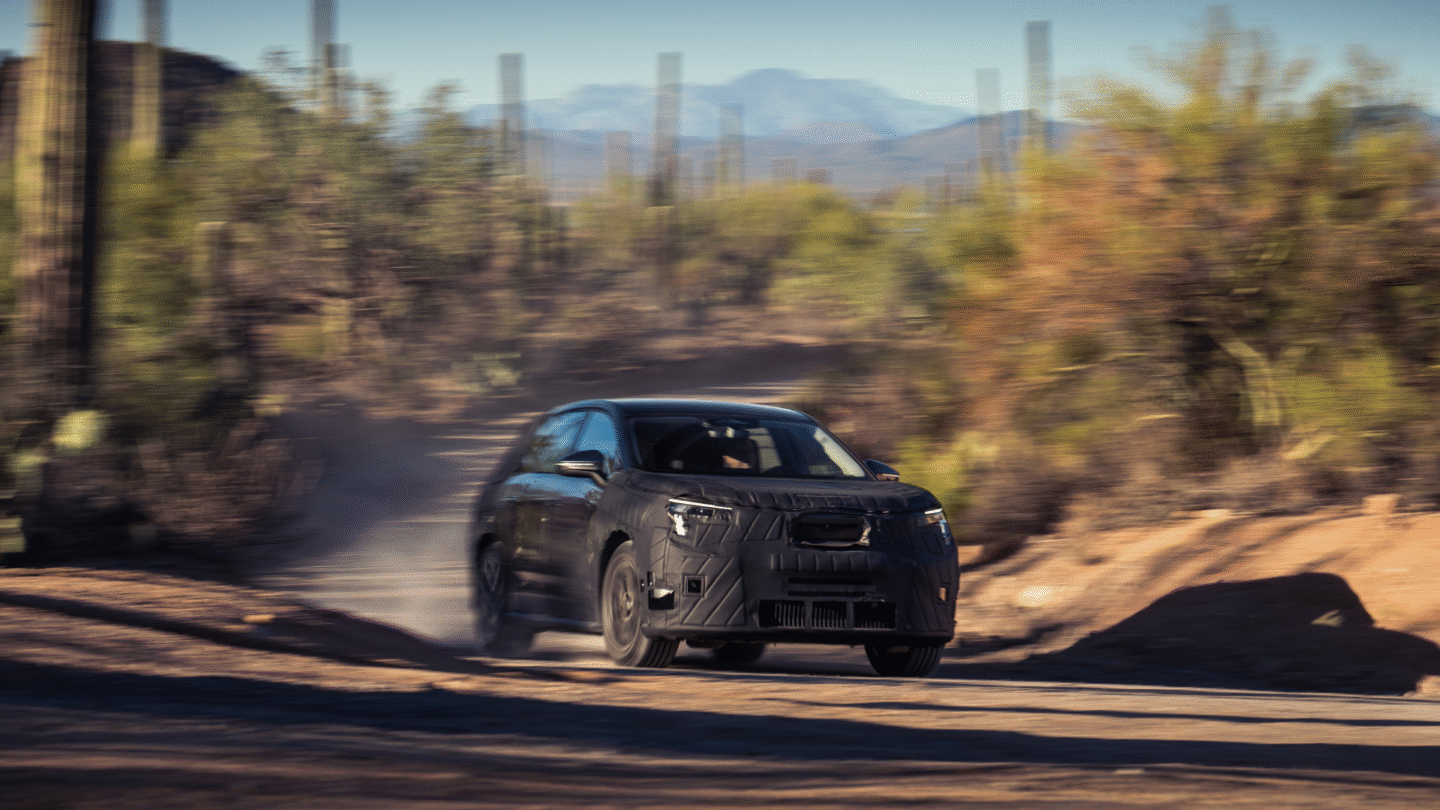
To ensure that the Škoda Peaq delivers a comfortable ride while also feeling safe and stable, the development team had to focus intensively on the vehicle’s fundamental structure from the outset.
In the case of the body structure, for example, although it is made of steel, the material is not the same throughout.
Other sections are engineered to absorb impact energy through controlled deformation.
The body-in-white is constructed from steel sheets ranging in thickness from 0.7 to 2 millimetres, with different types of steel used in different areas.
“We select the material for each componentaccording to the function it performs within a particular section of the body structure.
To ensure that the Škoda Peaq delivers a comfortable ride while also feeling safe and stable, the development team had to focus intensively on the vehicle’s fundamental structure from the outset. Every single component of the body and chassis plays a clearly defined role within this complex system. In the case of the body structure, for example, although it is made of steel, the material is not the same throughout. Certain areas of the body are designed to allow only minimal deformation thanks to their exceptional strength. Other sections are engineered to absorb impact energy through controlled deformation.
The body-in-white is constructed from steel sheets ranging in thickness from 0.7 to 2 millimetres, with different types of steel used in different areas. “We select the material for each componentaccording to the function it performs within a particular section of the body structure. When making this choice, we consider safety, strength, durability and the car’s overall weight,” explains Václav Špringl, who is responsible for body-in-white development. While the structural components surrounding the passenger compartment are predominantly made from hot-formed high-strength steel, sections forming the controlled deformation zones use materials that combine strength with sufficient ductility to absorb energy in the event of an impact.