Summary Claude Code helped a space fan spot a possible planet in seven years of NASA telescope data.
The candidate is ~1.4× Earth, orbits every 3 days; Claude Code ran 74 tests and predicted dimming.
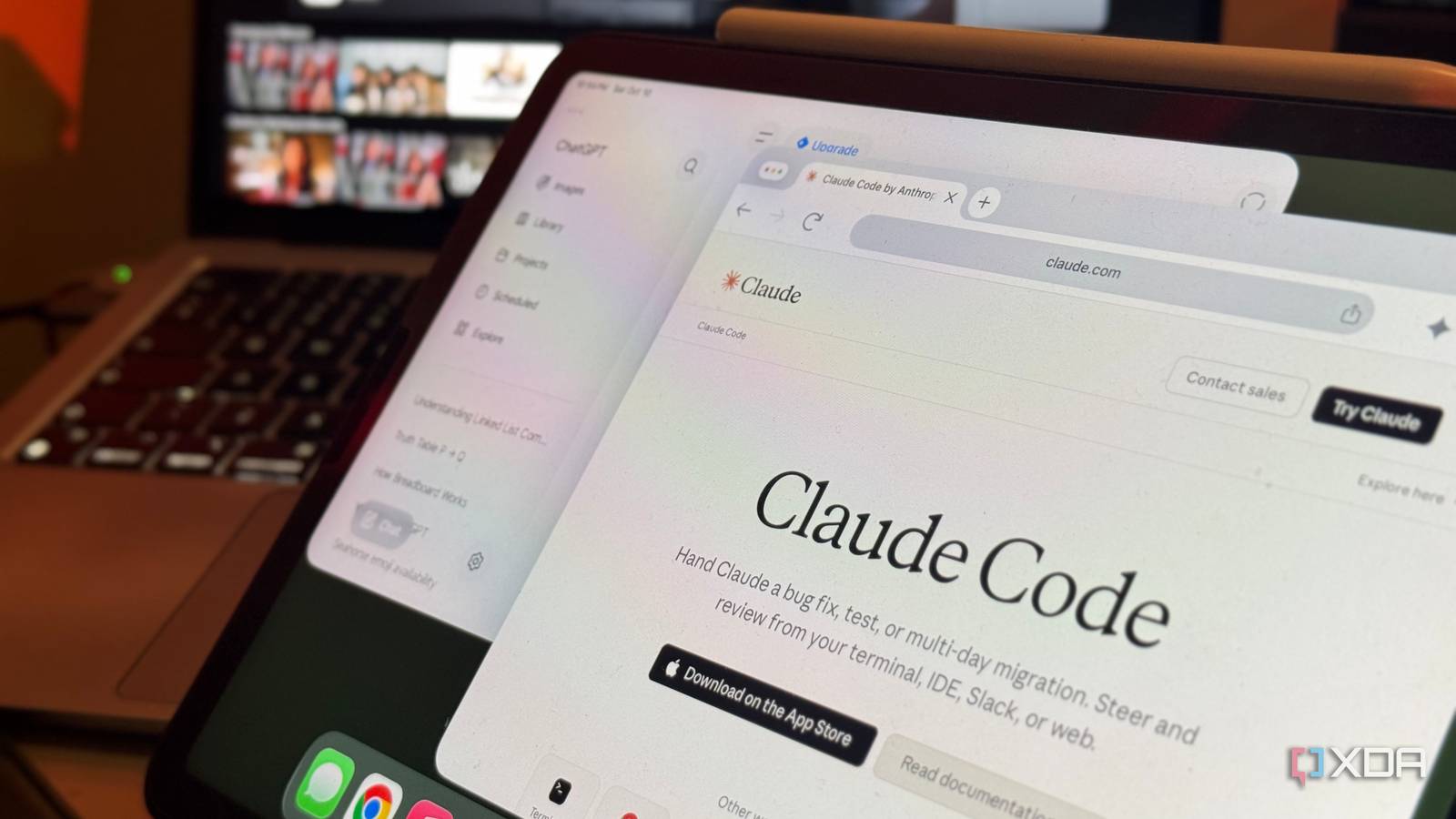
Now, someone has supposedly found a new planet with the help of Claude Code, and while nothing has been confirmed yet, it's really exciting.
Rabtsevich then used Claude Code to test his theories, running 74 tests to see whether his ideas held up.
Sure enough, Claude Code churned through all the data and confirmed that Rabtsevich's theory actually held water.
Summary Claude Code helped a space fan spot a possible planet in seven years of NASA telescope data.
The candidate is ~1.4× Earth, orbits every 3 days; Claude Code ran 74 tests and predicted dimming.
TESS has queued observations for November to confirm the dims — so this 'may' become a real discovery.
If the past few years taught us that AI has a place in science and technology, then this year has taught us how LLMs have evolved to let people at home do what used to be exclusive to experts.
For instance, we've already seen a team use AI to generate a suite of open-source Adobe-like products people can download for free. Now, someone has supposedly found a new planet with the help of Claude Code, and while nothing has been confirmed yet, it's really exciting.
Claude Code may have just discovered a new planet for NASA
Huge emphasis on "may"
Credit: Pavel Rabtsevich
As spotted by Cybernews, this story begins with Pavel Rabtsevich, a fan of both space and AI. He was reviewing NASA data when he spotted a star that dimmed for two hours every three days. Rabtsevich had a hunch a planet was passing over the star and causing it to dim, so he dug through even more data to see if it was consistent. Sure enough, the dimming was still there.
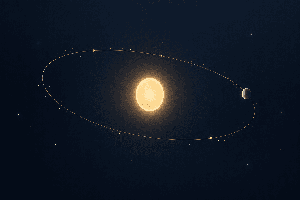
So, Rabtsevich got to work. As he explained on X, he fed data into Claude Code, OpenAI Codex, and Jev to see whether what he saw might be a planet. After pushing the AI to keep thinking and thinking, he eventually deduced that the star was TIC 4206066, and that a potential planet 1.4x bigger than Earth was passing by it every three days, essentially making it a very, very quick year.
Rabtsevich then used Claude Code to test his theories, running 74 tests to see whether his ideas held up. Sure enough, Claude Code churned through all the data and confirmed that Rabtsevich's theory actually held water. It even correctly predicted when the star's light would dim when Rabsevich hid some data from it and asked it to predict what would happen in the gap.
The next step was to get NASA to confirm this planet. To do that, Rabtsevich asked the TESS Project to keep an eye on that specific spot, and they accepted the request. It's now sitting in the queue of TESS tasks to do, and once the telescope passes by that area of space in November, we should get more data on whether the star is actually dimming. Rabsevich already knows what date and time the dims should occur, so all it'd take is for the TESS data to match his own, and he's one step closer to discovering a planet.
A few years ago, AI's biggest use was generating funny videos of Will Smith eating spaghetti; today, it's helping people at home discover potential new planets. Who knows where this technology will take us?