There’s something about dinner that makes the sofa suddenly look like the best place in the world.
“Light movement after meals can help with digestion, encourage muscles to use the glucose in the bloodstream and contribute to better metabolic and cardiovascular health.
“The best time to walk is the time you can follow consistently,” advices Kushal Pal Singh, Fitness and Performance Expert at Anytime Fitness India.
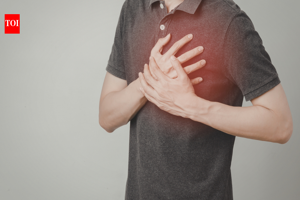
If you experience chest pain, dizziness, unusual breathlessness or significant discomfort while walking, stop and seek medical attention.
Otherwise, the advice is pleasingly low-maintenance: finish dinner, put your shoes on and go for a walk.
There’s something about dinner that makes the sofa suddenly look like the best place in the world. You’ve eaten, the day is winding down, and the temptation to sink in, reach for the remote, and doomscroll for a bit is strong. But before you settle in, why not go for a walk? You’ll get some movement in and maybe tick off a few more steps while you’re at it. The sofa can wait.
More importantly, it’s a habit that’s easy to build into your evening. “A short walk after dinner is one easy way to add a bit of movement to the day, especially in the evening when people tend to sit still,” explains Dr. Richa Mishra (PT), Vice President-Operations at Anytime Fitness India. “Light movement after meals can help with digestion, encourage muscles to use the glucose in the bloodstream and contribute to better metabolic and cardiovascular health. It’s also a regular habit that can help with weight management and general mobility over time.”
When to head out
The idea that you need to sit around and let dinner ‘settle’ before moving has been around for years. In reality, most healthy adults can take a gentle walk fairly soon after eating. If you feel uncomfortably full or bloated, though, give yourself a little time.
“The best time to walk is the time you can follow consistently,” advices Kushal Pal Singh, Fitness and Performance Expert at Anytime Fitness India. “However, walking soon after eating has a specific advantage for managing the post-meal blood glucose response. For overall fitness, accumulating physical activity throughout the day is more important than restricting it to one particular time.”
You don’t need to walk for an hour
“Even a 10 to 15 minute walk can be a beneficial starting point, helping with blood-sugar control and digestion,” recommends Singh. “Extending it to 20 to 30 minutes at a comfortable pace can further contribute to daily physical activity and may help reduce feelings of heaviness after a meal.”
There’s no need to walk at full speed. Your heart rate can rise, and your breathing can get a little faster, but you should still be able to chat without sounding like you’ve just run for a bus.
The benefits go beyond the step count
If you’ve been sitting at your desk all day, taking a short evening walk is a simple way to stretch your legs and incorporate some movement.
“In the setting of an overall active lifestyle, walking increases the amount of energy you use each day and can help reduce long periods of sitting,” says Singh. “Weight management is dependent on the combination of regular physical activity, nutrition, sleep and overall lifestyle. A post-dinner walk is really just one sustainable habit that adds to the bigger picture.”
And then there’s the less measurable part. A walk at the end of the day can give you some time away from your phone and whatever else has been occupying your head. Put on some music, leave the notifications alone and walk for a while. It’s a simple way to create some breathing room before bed.
Know when to take it easy
A gentle post-dinner walk is generally fine for most healthy adults. But if you have certain medical conditions, severe reflux, uncontrolled blood sugar or limited exercise tolerance, it’s worth getting personalised advice first.
“People who take insulin or certain glucose-lowering medications should also talk to their healthcare provider about the timing of exercise,” adds Dr. Mishra.
If you experience chest pain, dizziness, unusual breathlessness or significant discomfort while walking, stop and seek medical attention.
Otherwise, the advice is pleasingly low-maintenance: finish dinner, put your shoes on and go for a walk. It doesn’t have to be long, fast or impressive. If the alternative is another hour on the sofa, it’s a pretty good trade.

.jpg)