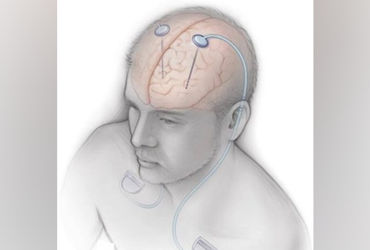
A new meta-analysis by researchers at the UHN Krembil Brain Institute (KBI) has found that brain stimulation therapies, known as neuromodulation, may offer a promising treatment option for people living with severe obsessive-compulsive disorder (OCD) who do not respond to conventional therapies.
The study, which analysed data from 142 studies involving 2,960 patients, suggests that various forms of brain stimulation can help reduce OCD symptoms and improve quality of life.
The findings are particularly significant for individuals with treatment-refractory OCD, a severe form of the condition in which standard therapies and additional medications fail to provide relief.
The KBI team compared four neuromodulation approaches: deep-brain stimulation (DBS), lesion-based surgery, transcranial direct current stimulation (tDCS), and transcranial magnetic stimulation (TMS).
While DBS and lesion-based surgery are invasive procedures, tDCS and TMS are non-invasive forms of brain stimulation.
A new meta-analysis by researchers at the UHN Krembil Brain Institute (KBI) has found that brain stimulation therapies, known as neuromodulation, may offer a promising treatment option for people living with severe obsessive-compulsive disorder (OCD) who do not respond to conventional therapies.
The study, which analysed data from 142 studies involving 2,960 patients, suggests that various forms of brain stimulation can help reduce OCD symptoms and improve quality of life.
The findings are particularly significant for individuals with treatment-refractory OCD, a severe form of the condition in which standard therapies and additional medications fail to provide relief.
OCD is characterised by persistent intrusive thoughts, known as obsessions, and repetitive behaviours, or compulsions, performed to alleviate anxiety. Researchers estimate that 30 to 40% of patients do not achieve adequate symptom control through existing treatments.
The KBI team compared four neuromodulation approaches: deep-brain stimulation (DBS), lesion-based surgery, transcranial direct current stimulation (tDCS), and transcranial magnetic stimulation (TMS). While DBS and lesion-based surgery are invasive procedures, tDCS and TMS are non-invasive forms of brain stimulation.
According to the analysis, all four techniques were associated with reductions in OCD symptoms. Invasive procedures demonstrated the strongest effects, while non-invasive treatments also produced moderate improvements and may provide a more accessible option for patients with less severe symptoms.
Researchers believe invasive methods may be more effective because they can precisely target critical communication hubs located deep within the brain, which play a role in OCD-related neural networks.
Dr. Jürgen Germann, Assistant Scientist at KBI and senior author of the study, said that the analysis points to the importance of considering how brain regions are connected when determining whether a region is an ideal candidate for neuromodulation, rather than its location alone.