ETV Bharat / healthWorking Against Your Body Clock: Can Long-Term Night Shifts Increase Cancer Risk?
Today is Cancer Awareness Day, which is as good a time as any to stop ignoring the existential hum of tubelights.
The International Agency for Research on Cancer (IARC) has classified night-shift work involving circadian disruption as ‘probably carcinogenic to humans’.
It doesn't mean a graveyard shift is an automatic death warrant but that there’s a potential long-term invoice coming due.
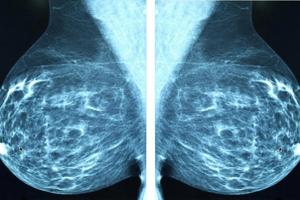
Dr. Jayachandra Reddy Metta, MCh (Surgical Oncology), Consultant - Surgical Oncology, HCG Vizag notes that while research flags a particular association with breast cancer and general rhythm disruption, the exact math of individual risk is still being tallied by scientists.
ETV Bharat / health
Working Against Your Body Clock: Can Long-Term Night Shifts Increase Cancer Risk?
There are certain milestones in a person's life that arrive without fanfare: the day your lower back stages a brief protest against bending down to tie your shoes, or the realization that your body clock has completely packed its bags and moved to a different time zone. Only, you haven't moved. You’re just sitting in a hospital ward or a dimly lit office at 1 am, trying to remember if you’ve eaten dinner.
Today is Cancer Awareness Day, which is as good a time as any to stop ignoring the existential hum of tubelights.
According to Dr. Vivek Agarwala, Director - Medical Oncology , Narayana RN Tagore Hospital, Mukundapur, Kolkata, our bodies are essentially ticking clocks designed to regulate sleep, hormones, metabolism, and cellular repair under the comforting banner of daylight. When you mess with that, repeatedly frying your retinas with artificial light at 4 am, things get confused. The International Agency for Research on Cancer (IARC) has classified night-shift work involving circadian disruption as ‘probably carcinogenic to humans’.
The International Agency for Research on Cancer (IARC) has classified night-shift work involving circadian disruption as ‘probably carcinogenic to humans’ (Getty Images)
Before you panic and throw your career out the window, Dr. Agarwala is quick to point out what that label actually means. It doesn't mean a graveyard shift is an automatic death warrant but that there’s a potential long-term invoice coming due. When your rhythm goes haywire, your melatonin production drops, your hormones get tangled up, and your immune system starts missing its cues. Add in the late-night cups of tea, the erratic snacking, and overwhelming fatigue, and you’ve got a recipe for metabolic trouble.
Dr. Jayachandra Reddy Metta, MCh (Surgical Oncology), Consultant - Surgical Oncology, HCG Vizag notes that while research flags a particular association with breast cancer and general rhythm disruption, the exact math of individual risk is still being tallied by scientists. The trouble is, nobody takes the night shift because they’re looking for a lifestyle aesthetic. People do it because the world needs nurses, cardiologists, data wranglers, and security guards while the rest of us are asleep.