image AI generatedWhy does space smell like burnt metalWhy Earth’s smells feel stronger to astronauts after returning from spaceWhy driving feels strange to astronauts after returning from spaceHow space research helps astronauts and improves life on EarthComing back to Earth after spending months in orbit is often described as a physical adjustment.
Ordinary sensations that most people barely notice can become surprisingly intense after a long mission aboard the International Space Station.
According to Nasa, astronauts return from an environment that has its own distinctive smells, carefully controlled air and the unusual conditions of microgravity.
Their presence may help explain why astronauts often associate the smell of space with burnt or metallic odours.After months inside the carefully filtered atmosphere of the International Space Station, everyday smells on Earth can seem unexpectedly powerful.
During a long mission, astronauts spend months breathing recycled air inside a highly controlled environment where natural outdoor scents simply do not exist.
image AI generated
Why does space smell like burnt metal
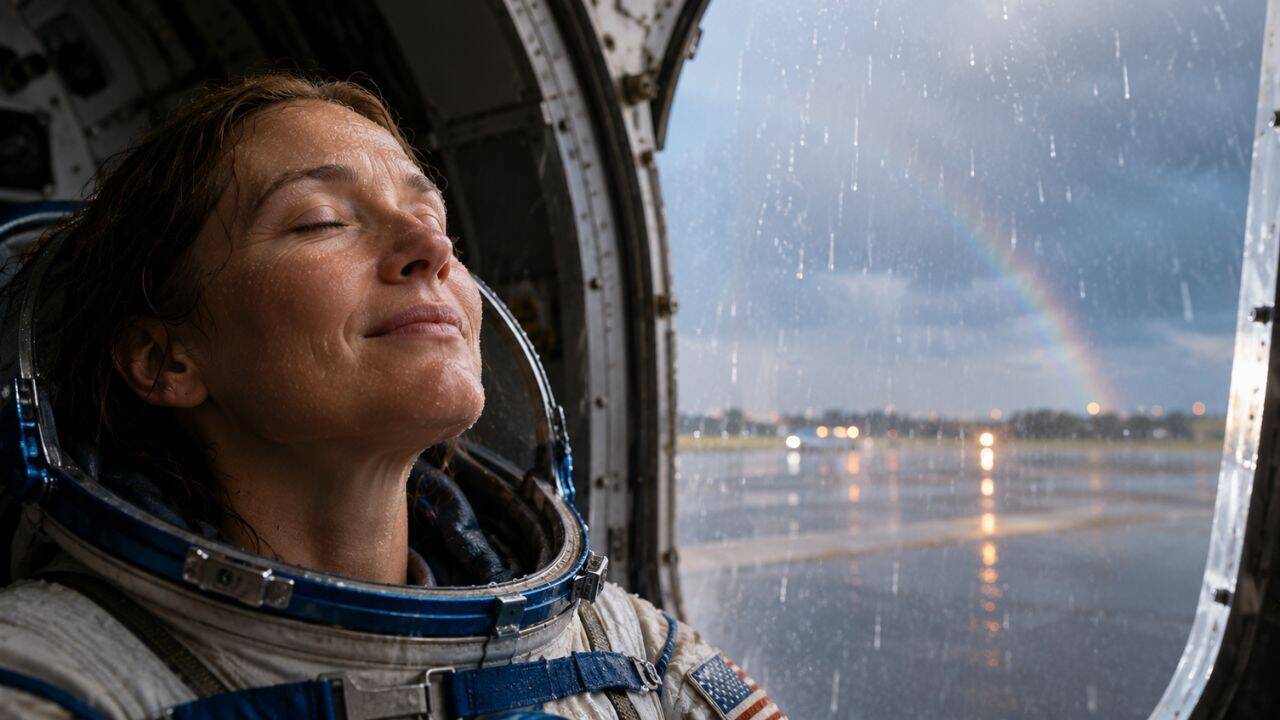
Why Earth’s smells feel stronger to astronauts after returning from space
Why driving feels strange to astronauts after returning from space
How space research helps astronauts and improves life on Earth
Coming back to Earth after spending months in orbit is often described as a physical adjustment. Less obvious are the everyday experiences that suddenly feel unfamiliar. Ordinary sensations that most people barely notice can become surprisingly intense after a long mission aboard the International Space Station. According to Nasa, astronauts return from an environment that has its own distinctive smells, carefully controlled air and the unusual conditions of microgravity. Once back on Earth, familiar scents, changing weather and even travelling along a road can feel strikingly different. These reactions offer a glimpse into how deeply the human body and brain adapt to life beyond the planet before having to readjust all over again.Outer space itself cannot be smelled directly because astronauts remain inside pressurised spacesuits during spacewalks. Yet many crew members have spoken about a distinctive scent that appears once they return inside and remove their helmets. According to Nasa , the smell clings to spacesuits, gloves and equipment that have been exposed to the space environment.Descriptions vary from one astronaut to another, although certain comparisons appear repeatedly. Some have likened it to hot metal, welding fumes, gunpowder or ozone. Others have noticed hints similar to seared meat or even unusual combinations that are difficult to compare with anything on Earth.Nasa explains that scientists cannot identify a single substance responsible for this experience. One possible contributor is a group of resilient molecules known as polycyclic aromatic hydrocarbons, or PAHs.These compounds exist throughout the universe and are also produced on Earth by soot, vehicle exhaust, burnt toast and charred food. Their presence may help explain why astronauts often associate the smell of space with burnt or metallic odours.After months inside the carefully filtered atmosphere of the International Space Station, everyday smells on Earth can seem unexpectedly powerful. Astronauts have often spoken about rain, fresh vegetation, soil and oceans appearing far stronger than they remembered before launch.The change is partly linked to adaptation. During a long mission, astronauts spend months breathing recycled air inside a highly controlled environment where natural outdoor scents simply do not exist. Once they return home, the senses begin responding again to an enormous variety of smells that had effectively disappeared from daily life.Many astronauts have described the smell after rainfall as especially memorable because it combines damp earth, plants and moisture that are completely absent aboard the station. Even familiar places can feel almost new as the brain adjusts to the richness of Earth’s environment again.The adjustment is not limited to smell. Everyday movement also changes after months in microgravity.Astronauts returning from extended missions frequently describe driving as an unexpectedly odd experience. Steering a car along ordinary streets can briefly feel less like driving and more like piloting a vehicle through space. The constant visual motion, changing speeds and the need to judge movement against gravity require the brain to readapt after spending months where weight no longer shapes every action.According to Nasa, life in orbit changes the way the body regulates balance, movement and orientation. While astronauts gradually recover after landing, ordinary activities such as walking, climbing stairs or travelling in a vehicle may initially require more concentration than expected.Understanding how astronauts respond to long periods in space extends well beyond curiosity. Nasa’s space biology programme examines how living organisms adapt to microgravity and increased radiation exposure, from individual cells to whole-body systems.Scientists study metabolism, muscle loss, bone health, immune function and plant growth aboard the International Space Station because these findings help prepare for future journeys deeper into the Solar System. At the same time, the research often benefits life on Earth through work linked to osteoporosis, wound healing, agriculture and disease.The experiences astronauts describe after returning home, whether it is the overwhelming smell of rain or the unfamiliar feeling of driving down an ordinary road, illustrate how completely people adapt to life in orbit. They also remind scientists that returning to Earth is not simply the end of a mission. It is another phase of adaptation that continues long after the spacecraft has landed.