ETV Bharat / bharatWHO's H5N1 Alert Gains Urgency As India Battles Seasonal Flu SurgeNew Delhi: The World Health Organization’s (WHO) latest appeal for Asia-Pacific countries to strengthen preparedness against highly pathogenic avian influenza A (H5N1), assumes added significance for India, which is simultaneously reporting recurring bird flu outbreaks and witnessing a surge in seasonal influenza A (H1N1) cases.
The Central government had reported avian influenza outbreaks in 2024 and 2025.
According to WHO data, between 2020-2024, India reported one death, and two deaths in 2025, due to the avian influenza A(H5N1).
“First, we need to understand what H5N1, also known as “avian influenza” or “bird flu”, is?
“Most patients with influenza H5N1 virus present with symptoms of fever, cough, and shortness of breath and radiological evidence of pneumonia.
ETV Bharat / bharat
WHO's H5N1 Alert Gains Urgency As India Battles Seasonal Flu Surge
New Delhi: The World Health Organization’s (WHO) latest appeal for Asia-Pacific countries to strengthen preparedness against highly pathogenic avian influenza A (H5N1), assumes added significance for India, which is simultaneously reporting recurring bird flu outbreaks and witnessing a surge in seasonal influenza A (H1N1) cases.
Over 150 influenza experts, laboratory scientists and public health officials participated in the recently held 19th Biregional Meeting of National Influenza Centres and Influenza Surveillance, jointly organised by WHO’s Southeast Asia and Western Pacific regional offices, from August 25 to August 27. The meeting examined ways to convert surveillance data into faster public health decisions, amid the continuing spread of H5N1 among birds, and the possibility of animal-to-human spillover.
Concern For India
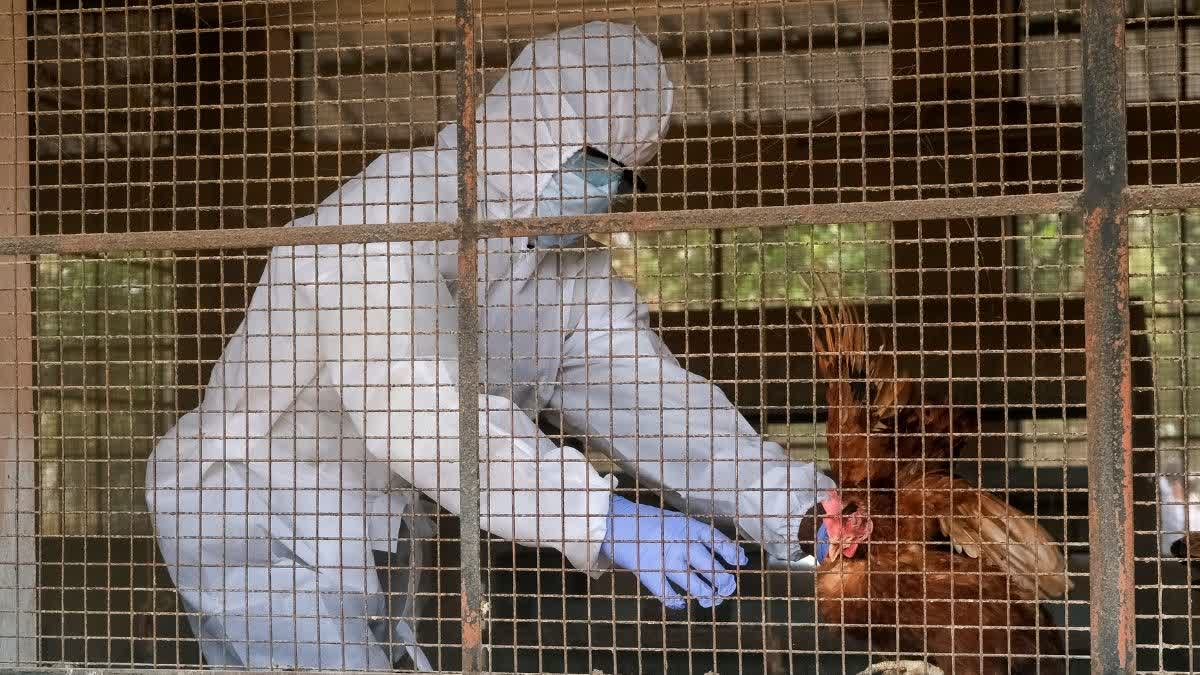
For India, the concern is not merely theoretical. Avian flu outbreaks have been reported in poultry and other birds in the past. The Central government had reported avian influenza outbreaks in 2024 and 2025. More recently, 11 H5N1 outbreaks were reported in poultry farms in Kerala, involving the deaths of over 54,000 birds, with thousands more culled as a precaution.
The risk of H5N1 to the general population remains low, but India’s recent history shows why sustained surveillance is essential. According to WHO data, between 2020-2024, India reported one death, and two deaths in 2025, due to the avian influenza A(H5N1).
Genetic analysis indicated the virus belonged to clade 2.3.2.1a, a lineage circulating in the region. However, no confirmed human H5N1 case has been reported from India so far in 2026.
Laboratory Networks, Early-Warning Systems
Public health experts say the simultaneous experience of seasonal influenza and recurring avian outbreaks demonstrates the importance of strong laboratory networks and early-warning systems.
“First, we need to understand what H5N1, also known as “avian influenza” or “bird flu”, is? It is a subtype of influenza virus that infects birds and mammals, including humans in rare instances. Infections in humans is mostly linked to close contact with infected birds and other animals and contaminated environments. This virus does not appear to transmit easily from person to person, and sustained human-to-human transmission has not been reported,” said Dr Manali Agarwal, infectious disease expert and medical microbiologist, to ETV Bharat on Saturday.
Dr Manali Agarwal (ETV Bharat)
According to Dr Agarwal, most human H5N1 cases are associated with the direct handling of infected poultry, slaughtering or preparing sick poultry for consumption, consumption of uncooked poultry products like raw blood, or close contact with live poultry. In bird-to-human transmission, the likely entry portal for the virus is via the respiratory tract, the gastrointestinal tract, or the conjunctiva.
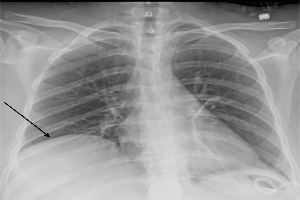
“Most patients with influenza H5N1 virus present with symptoms of fever, cough, and shortness of breath and radiological evidence of pneumonia. Frequently occurring non respiratory symptoms include diarrhea, vomiting, and abdominal pain. Surveillance and testing are important to understand which influenza viruses are circulating and their effect on human health. This is critical for pandemic preparedness and for protection of citizens,” Dr Agarwal, Ex-AIIMS, Delhi said.