The World Health Organisation (WHO) Director-General, Dr Tedros Ghebreyesus, has expressed deep concern about the speed and scale of the Ebola outbreak, as the number of cases rises.
“I am deeply concerned about the scale and speed of the epidemic,” Dr Tedros told members of the World Health Assembly in Geneva.
“The numbers will change as field operations are scaling up, including strengthening surveillance, contact tracing and laboratory testing,” he added.
There have been 516 suspected cases and 33 confirmed cases in Congo, according to a daily bulletin published by health authorities, and two confirmed cases in neighbouring Uganda.
Officials from the National Centre of Disease Control, Integrated Disease Surveillance Programme and Indian Council of Medical Research were present in the meeting among others.
The World Health Organisation (WHO) Director-General, Dr Tedros Ghebreyesus, has expressed deep concern about the speed and scale of the Ebola outbreak, as the number of cases rises.
“I am deeply concerned about the scale and speed of the epidemic,” Dr Tedros told members of the World Health Assembly in Geneva. “The numbers will change as field operations are scaling up, including strengthening surveillance, contact tracing and laboratory testing,” he added.
Meanwhile, in a confirmed case of Ebola outside the borders of the country of origin, an American citizen has contracted it after being exposed to the virus during his work in the Democratic Republic of Congo (DRC). The US has initiated new travel screening measures in response to the ongoing epidemic in DRC and Uganda.
Dr Ghebreyesus noted over 500 suspected cases and more than 130 suspected deaths across the Democratic Republic of Congo (DRC) and Uganda. Latest figures put the toll at 131. There have been 516 suspected cases and 33 confirmed cases in Congo, according to a daily bulletin published by health authorities, and two confirmed cases in neighbouring Uganda.
Health ministry ramps up preparedness
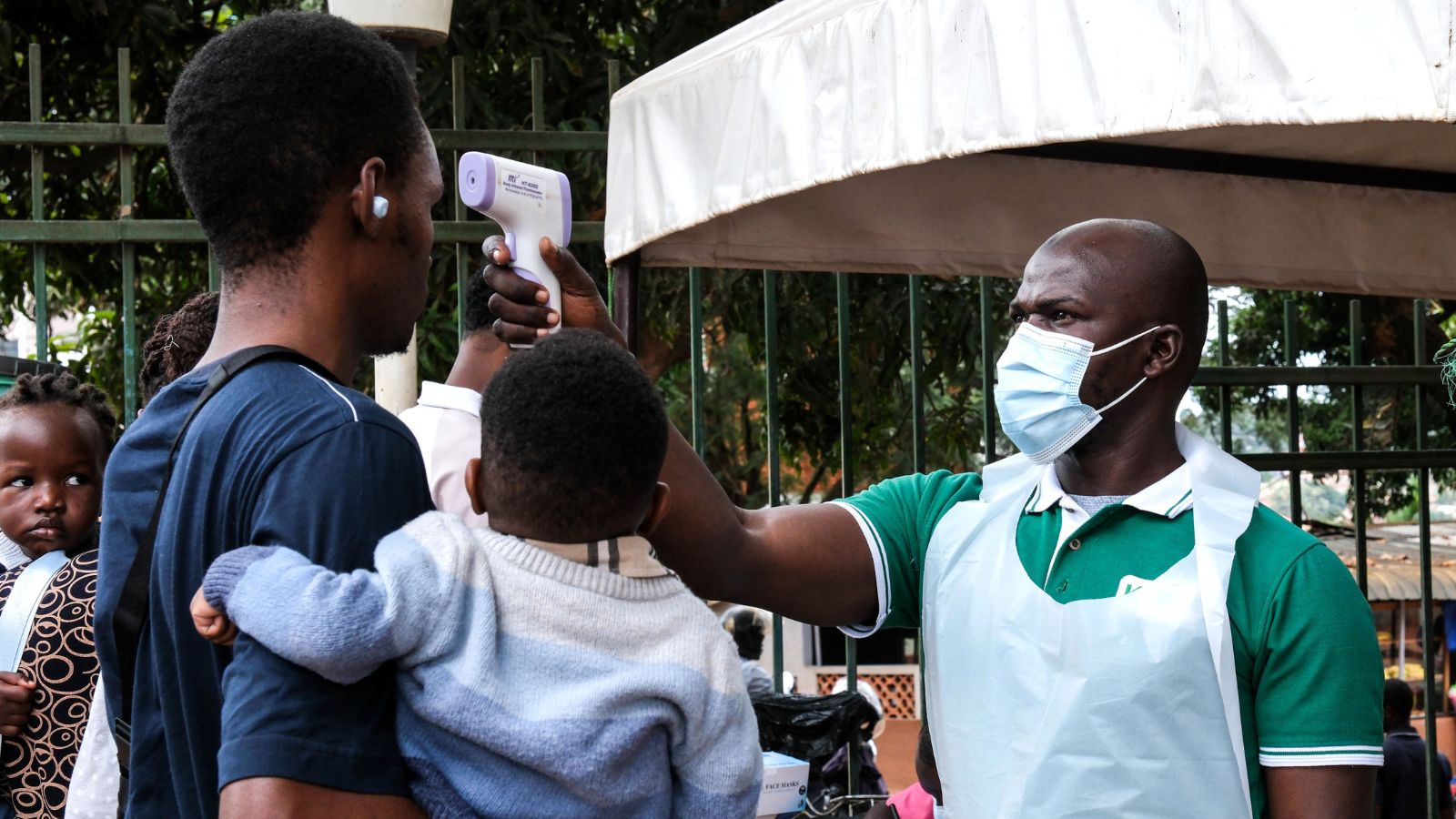
The Health ministry has reviewed the situation and public health preparedness as a precautionary step although there is no case of Ebola in the country and the current risk remains low.
“Surveillance and preparedness measures are being strengthened at points of entry and within the public health system,” sources said. Officials from the National Centre of Disease Control, Integrated Disease Surveillance Programme and Indian Council of Medical Research were present in the meeting among others. Public health experts note that while Ebola does not spread through air like influenza or Covid-19, delayed detection and close-contact exposure can lead to rapid transmission clusters, making early identification critical.
The preparedness measures include reviewing the standard operating procedures for the screening, surveillance, quarantine and management of any case that may occur. Laboratory preparedness was also reviewed, with NIV Pune being designated for testing and others being onboarded in a phased manner. Isolation and quarantine facilities at major airports and ports are also being identified.
Story continues below this ad
India’s surveillance system remains on alert due to the country’s past experience in handling high-risk infectious disease threats, including Nipah, Covid-19 and monkeypox, with established protocols for rapid response, contact tracing and laboratory confirmation.
The Health ministry is coordinating with other ministries and agencies for monitoring international travel from the affected regions. Passenger travel history monitoring and information-sharing with immigration and airport health authorities are being strengthened as part of precautionary surveillance.
What are major risks according to WHO?
During the annual World Health Assembly meeting, Dr Ghebreyesus highlighted four major risks: Spread into major urban centres, including Kampala (Uganda) and Goma (DRC).The highly insecure Ituri province, complicating field operations and displacing over 100,000 people. Healthcare-associated transmission, with confirmed deaths among health workers. And the significant population movement across porous borders.
Why Ebola vaccines may not work against the current outbreak?
Most approved vaccines target the Zaire ebolavirus, not the Bundibugyo or Sudan strains. Besides, vaccines require about 10 to 14 days to generate a complete immune response. Individuals exposed just before or shortly after vaccination can still develop the disease. According to the WHO, no vaccine is 100 per cent effective. A vaccinated individual may still be infected, though the vaccine significantly reduces the risk of severe illness and death. If a person was already incubating the Ebola virus before receiving the shot, they will still develop Ebola.
Story continues below this ad
Ebola is a zoonotic infection — caused by the Orthoebolavirus family — that can be extremely fatal in humans. It can spread from humans to humans through direct contact with infected fluids such as blood, saliva, sweat, tears, vomit, faeces, and breast milk among others. It can also be transmitted by touching contaminated surfaces and contact with dead bodies of those who have died of the infection. While most of the symptoms of the disease are like flu — fever, headache, muscle and joint pains — unexplained internal and external bleeding is one of the distinct features of the disease.