A sweeping new review of waterborne diseases finds that a warming world will not push every one of them in the same direction.
The parasite sickened an estimated 400,000 people, making it the largest recorded waterborne disease outbreak in U.S. history.
The catch is that the same disasters that spread disease can knock out the refrigeration those vaccines rely on.
The harder job is designing and deploying them for the weather the world faces now and the conditions still to come.
As the climate changes, so will waterborne disease risks.
A sweeping new review of waterborne diseases finds that a warming world will not push every one of them in the same direction.
Warmer water helps the bacteria behind some of the deadliest gut infections thrive.
On the other hand, several common stomach viruses fare better in cool, dry weather and may fade as the planet heats.
That split changes the outlook for illnesses that still kill nearly 1.2 million people a year through infectious diarrhea, most of them young children.
Rather than a uniform increase in danger, climate change looks set to reshuffle which pathogens threaten which communities, and when.
Bacteria and viruses respond differently
The review was led by Karen Levy, a professor of environmental and occupational health at the University of Washington, who has spent much of her career tracing how weather influences the spread of gut infections.
Her team gathered decades of research on the microbes that pass from person to person when people swallow water fouled by human or animal waste.
These microbes do not respond to a changing climate in the same way. Warmth speeds the growth of many bacteria, including the one behind cholera, which multiplies faster in warm, slightly salty water.
Many viruses do worse in the heat. Norovirus, rotavirus and adenovirus, familiar causes of vomiting and diarrhea, spread most in the cool, dry parts of the year, and several could ease as those stretches grow shorter.
The pattern also appears in the data. One analysis found that bacterial gut infections generally became more common as temperatures rose, while viral infections became less common.
The risk of Salmonella infection increased by about 5% for every 1.8°F of warming.
When rain overwhelms infrastructure
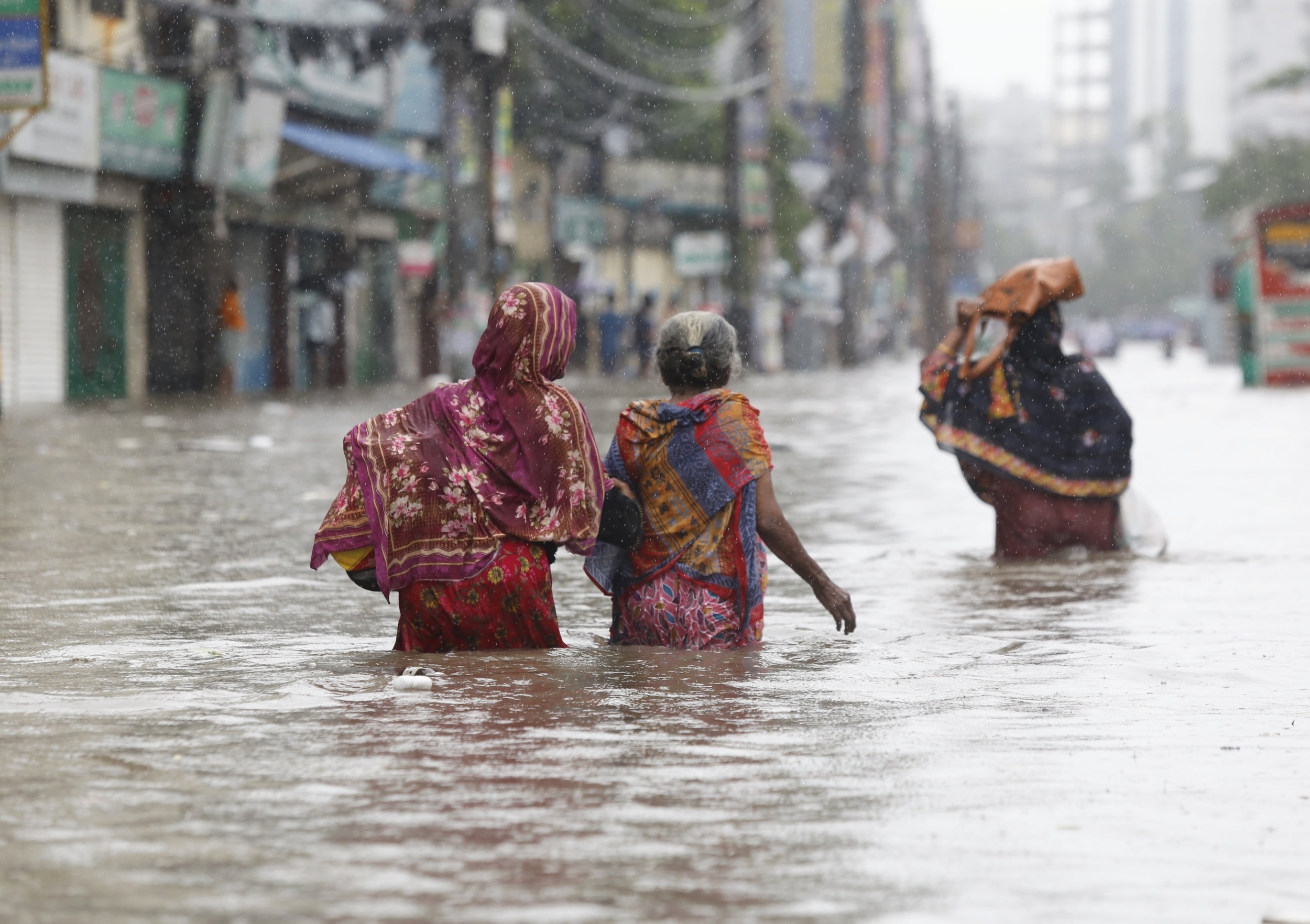
Heavy rain and floods are the most familiar route.
When storms overwhelm drains and wash human and animal waste into rivers and wells, the microbes that cause diarrhea travel with it toward the taps and pumps people rely on.
The damage can arrive fast and on a huge scale. In 1993, the parasite cryptosporidium passed through a Milwaukee treatment plant when spring runoff fouled its source water.
The parasite sickened an estimated 400,000 people, making it the largest recorded waterborne disease outbreak in U.S. history.
The link is not simply more rain, more disease.
A meta-analysis found that heavy rain after a dry spell tends to flush a built-up load of waste into water and drive infections up, while rain during an already-wet stretch can dilute those pathogens and blunt the effect.
Risks of too little water
Too little water carries its own risk, and it is easy to overlook. As drought dries up wells and streams, families fall back on whatever sources are left, store water longer at home and have less to spare for washing hands and food.
The effect is measurable. A study following children across dozens of low- and middle-income countries found that six months of drought was linked to a roughly five to eight percent higher risk of diarrhea.
The steepest rises occurred where households had to walk far for water or lacked soap.
Rising seas add a further danger along the coast. As ocean water seeps into groundwater and ponds, drinking supplies turn salty.
That suits the cholera bacterium, which grows well in slightly salty water, and in parts of low-lying coastal Bangladesh, storm surges and creeping salt have already been tied to worse health.
Preparing for shifting threats
The review’s message is not all grim. Its authors argue that the tools to hold the line already exist, and that the wisest investments are those that pay off no matter how the climate turns.
Sturdier water and sanitation systems come first, built to keep working when floods and storms batter the pipes and treatment plants they depend on.
Reliable sanitation keeps waste out of the water supply even when the weather turns extreme.
Better surveillance ranks close behind, the kind that can tell one pathogen from another.
When officials know which microbe is spreading, they can answer it in the right way instead of meeting every outbreak with the same response.
Adapting to new disease threats
Wider use of vaccines helps as well, and shots already exist for several waterborne threats, among them cholera, rotavirus, typhoid and hepatitis A.
The catch is that the same disasters that spread disease can knock out the refrigeration those vaccines rely on.
Elizabeth Carlton, a professor at the Colorado School of Public Health at the University of Colorado Anschutz Medical Campus and a co-author of the review, put it plainly.
“Climate change is changing the rules of how these diseases spread,” said Carlton.
Most of the tools to respond already exist, she added. The harder job is designing and deploying them for the weather the world faces now and the conditions still to come.
As the climate changes, so will waterborne disease risks. The strongest protection is to match water systems, surveillance, and vaccines to the threats each region is most likely to face.
The study is published in the journal Nature Reviews Microbiology.
—–
Like what you read? Subscribe to our newsletter for engaging articles, exclusive content, and the latest updates.
Check us out on EarthSnap, a free app brought to you by Eric Ralls and Earth.com.
—–