The amendment retains the exemption of allowing entry without valid passport and visa.
The amended rules require persons covered by these categories to obtain a visa to continue living in India.
However, Indian citizens travelling onwards to a third country through the India-Nepal or India-Bhutan borders will need to produce their passports.
Bhutanese and Nepali citizens also do not require a passport to travel to India.
Registered Sri Lankan Tamils who took shelter in India by January 9, 2015, continue to be exempted from requiring a passport and visa.
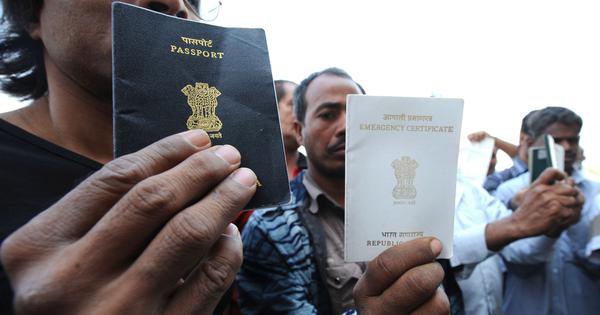
The Ministry of Home Affairs has amended the 2025 Immigration and Foreigners Exemption Order to make it mandatory for persons from six non-Muslim communities from Afghanistan, Bangladesh and Pakistan who had, citing religious persecution, entered India by December 31, 2024, without valid travel documents, to get an “appropriate visa” to continue staying in the country.
The changed rules, notified on Wednesday and published on Thursday, also apply to persons whose documents have expired.
The rules had exempted Hindus, Sikhs, Buddhists, Christians, Jains and Parsis from the three countries from requiring valid passports or visas while entering and staying in India. The amendment retains the exemption of allowing entry without valid passport and visa.
The rules align with the 2019 Citizenship Amendment Act . The contentious law aims to provide a fast track to citizenship to refugees from six minority religious communities, except Muslims, from Afghanistan, Bangladesh and Pakistan, on the condition that they have lived in India for six years and have entered the country by December 31, 2014. The Union government notified the rules under the Act in March 2024.
The amendment on Wednesday made changes to several other provisions relating to travel by Indian, Bhutanese and Nepali citizens, and reorganised categories of exemptions granted to Tibetan refugees.
Norms for some Pakistanis relaxed
The amendment also provides relief to some categories of long-term residents who are facing challenges in renewing their foreign passports.
This includes Pakistani citizens who entered India on a valid passport before December 31, 2009, with the intention of residing permanently in the country, some Partition-era migrants who returned from Pakistan and settled in Keralam, with conditions, and persons of Indian origin who acquired Malaysian or Singaporean citizenship but are unable to renew their passports.
The amended rules require persons covered by these categories to obtain a visa to continue living in India.
Rules for travel beyond Nepal and Bhutan
The amendment introduced a definition of “Visa Manual”, describing it as a document issued by the Union government containing instructions relating to visas, immigration and related matters.
The rules now require Indian citizens travelling to Nepal or Bhutan, and Nepali and Bhutanese citizens entering or exiting India, to produce identity documents specified in the Visa Manual before the immigration authorities.
Indians do not require a passport to travel to Bhutan and Nepal. However, Indian citizens travelling onwards to a third country through the India-Nepal or India-Bhutan borders will need to produce their passports.
Bhutanese and Nepali citizens also do not require a passport to travel to India. However, Bhutanese and Nepali citizens travelling to or from, or transiting through China, Macau, Hong Kong or Pakistan will need to show their passports and visas while entering or exiting India.
Tibetans refugees, military personnel
Tibetans who entered India on permits issued by the Indian embassy in Kathmandu between 1959 and May 30, 2003, or on special entry permits issued subsequently through designated immigration posts on the India-Nepal border will continue to be exempted from passport and visa requirements. However, they will be required to obtain a registration certificate from the authorities.
The exemption from passport and visa requirements includes Indian military personnel entering or leaving the country on duty, and their families accompanying them on government transport, and foreign armed forces personnel arriving on warships or government vessels undergoing repairs in India.
Registered Sri Lankan Tamils who took shelter in India by January 9, 2015, continue to be exempted from requiring a passport and visa.
Written by Nachiket Deuskar. Edited by Tanya Shrivastava.