Football’s summer transfer market is in full flow.
The selling franchise does not ordinarily receive a football-style transfer fee.
How the hypothetical IPL transfer market works The valuation cannot simply multiply a player’s reputation, runs or wickets by an arbitrary number.
Therefore, the relevant calculation is not the transfer fee in isolation but the buyer’s complete three-year financial commitment:Transfer fee + salary across three seasons.
Vaibhav Sooryavanshi — ₹ 42-52 crore Central valuation: ₹48 croreNo player created a larger difference between salary and sporting value in IPL 2026.
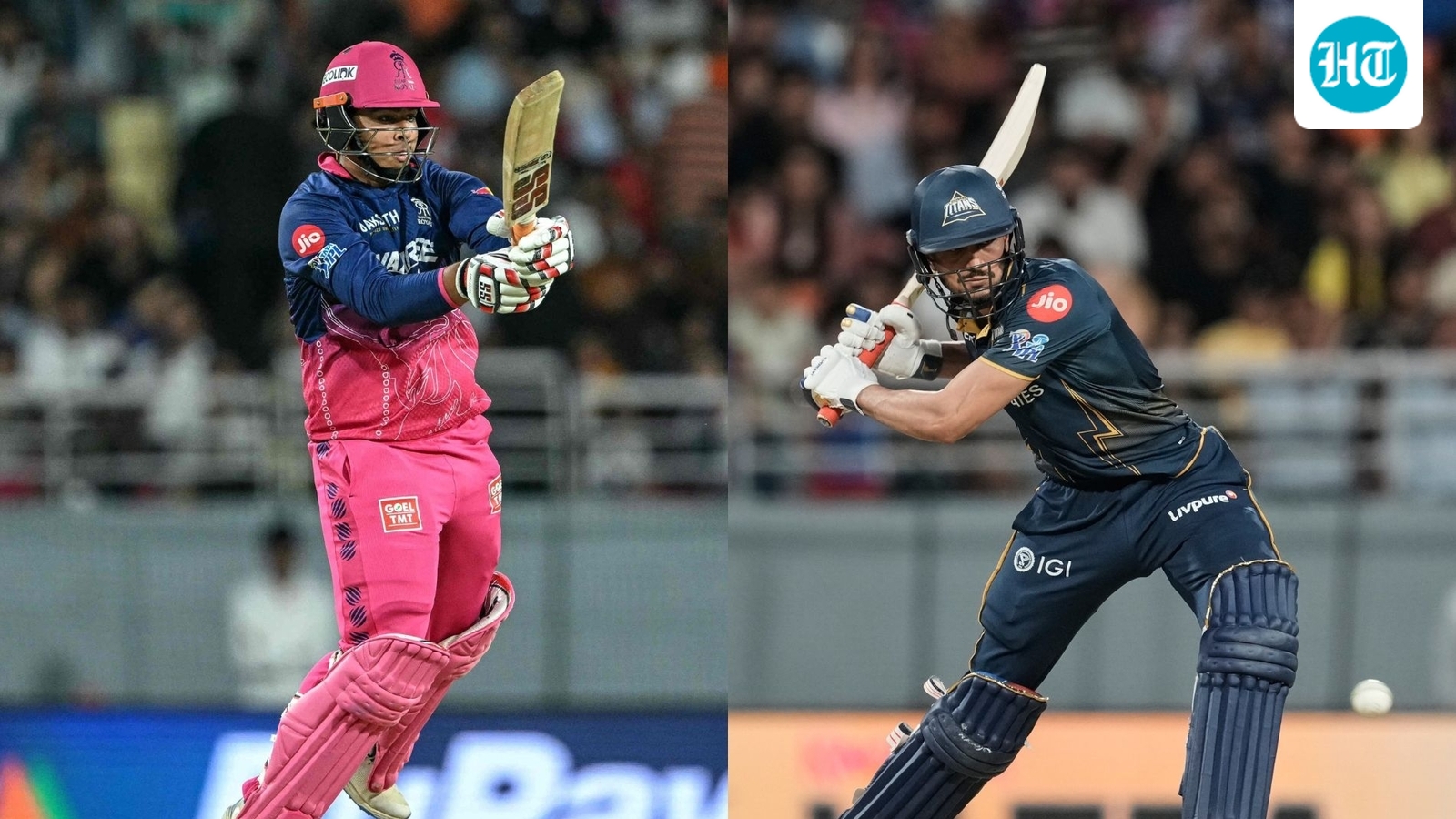
Football’s summer transfer market is in full flow. Premier League clubs can buy and sell players until September 1, with transfer fees, contract lengths and future potential driving negotiations across Europe. At the same time, the IPL trade window is active ahead of the 2027 season, allowing franchises to exchange players, negotiate revised contracts and reshape their squads before the next auction. Vaibhav Sooryavanshi for the Rajasthan Royals and Shubman Gill for the Gujarat Titans.
The two systems, however, remain fundamentally different. IPL trades usually involve players moving on their existing contracts, sometimes through direct swaps or negotiated salary adjustments. The selling franchise does not ordinarily receive a football-style transfer fee.
But what if it did?
What if an IPL franchise had to pay another team for the right to acquire a contracted player, in addition to taking over his annual salary? Based strictly on their IPL 2026 performances, who would command the five highest transfer fees?
How the hypothetical IPL transfer market works The valuation cannot simply multiply a player’s reputation, runs or wickets by an arbitrary number. It must remain anchored to IPL economics. An auction price is an annual salary paid to the player. A transfer fee would instead be a one-time payment made to the selling franchise, while the buying team would also inherit the player’s salary for the remaining contract period.
The present IPL cycle is broadly built around three seasons. Therefore, the relevant calculation is not the transfer fee in isolation but the buyer’s complete three-year financial commitment:
Transfer fee + salary across three seasons.
A player projected to receive ₹24 crore annually at an open auction has a three-year market cost of approximately ₹72 crore. A buyer acquiring him through a transfer should not normally spend substantially more than that total once his existing salary is included.
This creates an important distinction. A young player delivering elite production on a low salary can attract a larger transfer fee because the buyer inherits an extremely valuable contract. A superstar already earning close to the market ceiling may be the better player, but his transfer fee will be compressed by the cost of his existing deal.
Performance remains the foundation, but the final price also considers Indian-player scarcity, age across the next three seasons, role, captaincy, wicketkeeping, tactical flexibility and the probability of sustaining the 2026 output.
1. Vaibhav Sooryavanshi — ₹ 42-52 crore Central valuation: ₹48 crore
No player created a larger difference between salary and sporting value in IPL 2026.
Vaibhav Sooryavanshi scored 776 runs at a strike rate of 238.04, clearing the ropes 72 times. He made 521 powerplay runs at 233.63 and maintained an extraordinary tempo after the field spread, striking above 230 through both sections of the middle overs.
This was not a short cameo specialist exploiting the final overs. Vaibhav was destroying attacks from the beginning of an innings and carrying that aggression through changing bowling plans and field restrictions. His age adds upside, but only within the relevant three-year window. The valuation does not assume a franchise owns his career for the next decade.