News world US Prepared To Strike Houthis As Saudi Asked For Help.
Then, Trump Pulled The PlugUS Prepared To Strike Houthis As Saudi Asked For Help.
However, taking a U-turn, Trump ultimately decided on Sunday not to join Saudi Arabia in joint strikes, at least for now.
Why Is Saudi Arabia Asking Trump For Help?
Saudi Arabia Is Looking Beyond WashingtonThe uncertainty over direct US intervention has also pushed Riyadh to seek help elsewhere.
News world US Prepared To Strike Houthis As Saudi Asked For Help. Then, Trump Pulled The Plug
US Prepared To Strike Houthis As Saudi Asked For Help. Then, Trump Pulled The Plug
Written By :
,
Last Updated: September 21, 2026, 13:32 IST
The battle is over how far the US is prepared to go to protect a major Gulf ally without turning another regional conflict into a direct American war
Rapid Read
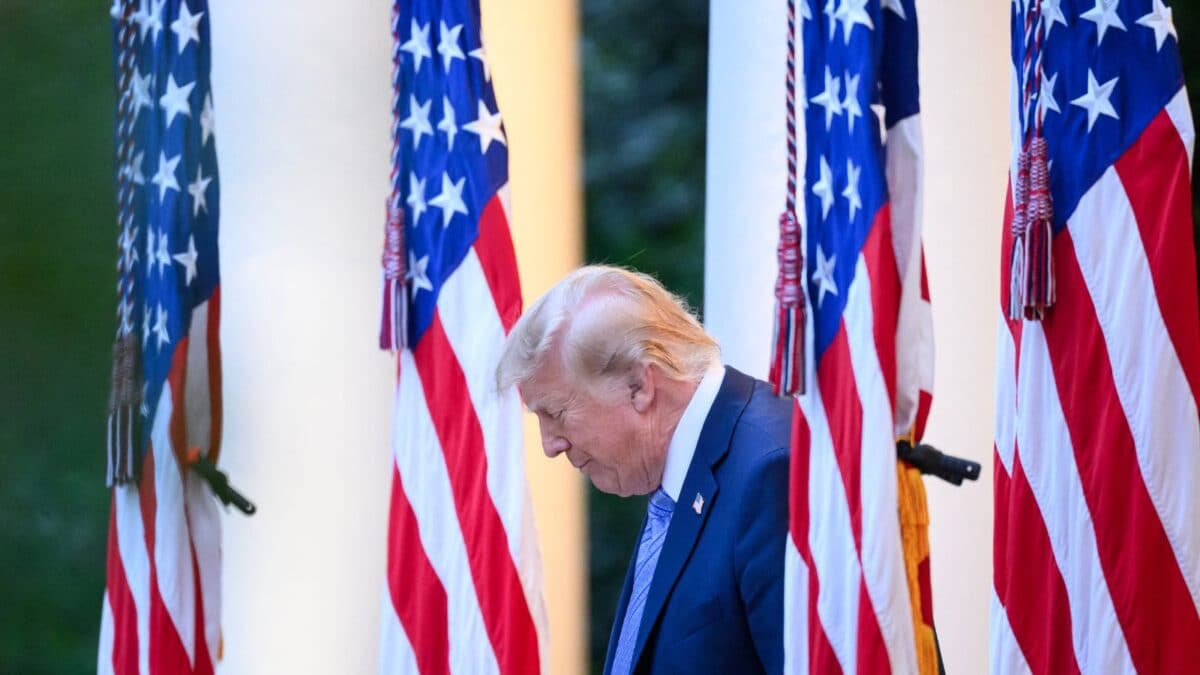
Trump reportedly spent nearly two weeks wavering over whether to order US strikes on Houthi targets in Yemen after Saudi Arabia repeatedly sought American military assistance. (AFP)
US President Donald Trump is facing a difficult choice over Saudi Arabia’s request for direct military help against Yemen’s Iran-backed Houthis—one that could force Washington to balance its need for Riyadh’s cooperation in the wider Iran war against the risks of getting pulled into another conflict in the Middle East.
According to a New York Times report, Trump spent nearly two weeks wavering over whether to order US strikes on Houthi targets in Yemen after Saudi Arabia repeatedly sought American military assistance. While Trump had initially told his advisers that he did not intend to join the strikes, after the call with MBS, he reportedly asked the Pentagon to prepare for airstrikes. However, taking a U-turn, Trump ultimately decided on Sunday not to join Saudi Arabia in joint strikes, at least for now.
The dilemma is particularly complicated because Saudi Arabia is an important US partner in the ongoing conflict with Iran, while the Houthis have so far avoided directly attacking US ships, giving Trump an argument for staying out of the Saudi-Houthi confrontation.
Why Is Saudi Arabia Asking Trump For Help?
The Houthis have rapidly expanded their position in western Yemen and captured areas close to the Bab el-Mandeb Strait, one of the world’s key maritime chokepoints linking the Red Sea with the Gulf of Aden.
ALSO READ | Trump Warns Of ‘Very Big Things’ As Iran Shares Conditions For Ending War
The group has also stepped up missile and drone attacks against Saudi Arabia, including attacks targeting the country’s military and energy infrastructure. Reuters reported that Houthi forces launched missile and drone attacks toward Riyadh this weekend as the regional conflict continued to spread.
Saudi Arabia has been fighting the Houthis for years, but the latest escalation comes against the backdrop of the larger US-Israeli war with Iran. The Houthi advance has therefore created an additional security problem for Riyadh, and a potential challenge for Washington.
The Saudi crown prince, Mohammed bin Salman, reportedly called Trump twice on September 11 and urged him to strike the Houthis. Washington declined to intervene directly at the time but offered intelligence-sharing and targeting assistance, according to Reuters.
The Catch-22 For Trump
The problem for Trump is that both choices carry consequences.
If the US launches strikes alongside Saudi Arabia, it risks turning the Houthi conflict into another direct American military operation at a time when US forces are already heavily engaged in the confrontation with Iran. The New York Times reported that US commanders had already prepared target lists and that aircraft and munitions were being readied for a potential operation before Trump pulled back.
ALSO READ | B-1B Bomber Leaves UK Base As Iran Awaits Trump’s Response To End War: Coincidence Or Warning?
There is also a question of whether bombing the Houthis would actually achieve Washington and Riyadh’s objectives.
US officials and former commanders cited by The New York Times questioned whether a limited air campaign could force the Houthis to back down. The group survived an earlier US bombing campaign in 2025 and subsequently rebuilt much of its military capability.
But staying out has its own risks.
Saudi Arabia is a key US partner in the region, and Washington needs Riyadh’s cooperation as the Iran war continues. The New York Times reported that Saudi Arabia has previously demonstrated that it can use its cooperation with Washington as leverage, including by restricting US military access to its territory.
That leaves Trump in an awkward position: Saudi Arabia wants the US to fight an Iranian-backed group attacking the kingdom, while the US wants Saudi cooperation in a much larger confrontation with Iran, but direct US action against the Houthis could itself widen that confrontation.
Why Yemen Matters Beyond Saudi Arabia
The issue is also bigger than the Saudi-Houthi battlefield.
The Houthis’ growing presence around the Bab el-Mandeb Strait threatens one of the major routes for international shipping and energy supplies. The Strait connects the Red Sea with the Gulf of Aden and is therefore critical for vessels travelling between Europe and Asia.
The latest fighting comes while shipping through the Strait of Hormuz is already under severe pressure because of the Iran conflict.
That means a prolonged Houthi campaign could create a second maritime pressure point at a time when global energy markets are already dealing with disruptions. Reuters reported that the Houthi advance has effectively put additional pressure on energy exports and shipping routes.
Saudi Arabia Is Looking Beyond Washington
The uncertainty over direct US intervention has also pushed Riyadh to seek help elsewhere.
Saudi Arabia has reportedly approached countries, including France, Britain, Pakistan and Egypt for air-defence assistance as its stocks of missile interceptors come under pressure. The shortage is linked in part to the demands on US weapons stocks during the ongoing Iran war.
The emerging picture is therefore not simply about whether Trump will order an airstrike. It is about how far the US is prepared to go to protect a major Gulf ally without turning another regional conflict into a direct American war.
For now, Trump has chosen to hold back from direct strikes against the Houthis. But with Saudi Arabia under continuing attack, the Houthis controlling strategically important territory near Bab el-Mandeb, and the Iran conflict unresolved, the question of US involvement is unlikely to disappear.
And that is Trump’s catch-22: helping Saudi Arabia could widen the war; refusing to help could put pressure on one of Washington’s most important regional partnerships.
News18 Newsletter Handpicked stories, in your inbox A newsletter with the best of our journalism submit
Quick Answers Powered by Ask News18 Why did Saudi Crown Prince Mohammed bin Salman ask President Donald Trump for US military strikes? Saudi Crown Prince Mohammed bin Salman urged President Donald Trump to launch strikes against Yemen's Iran-backed Houthis because the group expanded its territory near the Bab el-Mandeb Strait and escalated missile and drone attacks targeting Saudi military and energy infrastructure. What led Donald Trump to reverse his decision and pull the plug on planned airstrikes against the Houthis? Although Donald Trump initially instructed the Pentagon to prepare for airstrikes following calls from Saudi Crown Prince Mohammed bin Salman, he ultimately decided on Sunday not to join Saudi Arabia in joint military operations for the time being. Which alternative nations has Saudi Arabia approached for air-defense assistance following the US refusal? Because of uncertainty over direct US military intervention, Saudi Arabia approached countries including France, Britain, Pakistan, and Egypt to secure air-defense assistance and military advisers as its missile interceptor stocks faced severe pressure. Powered by Ask News18
About the Author Apoorva Misra Apoorva Misra is an Associate Editor at News18.com with a keen interest in politics and current affairs. She loves uncovering fresh angles and telling stories through long-form features and explainers... Read More
ADD YOUR COMMENT
Location : United States of America (USA)
First Published: September 21, 2026, 13:03 IST
Disclaimer: Comments reflect users’ views, not News18’s. Please keep discussions respectful and constructive. Abusive, defamatory, or illegal comments will be removed. News18 may disable any comment at its discretion. By posting, you agree to our Terms of Use and Privacy Policy Loading comments...