The 180-Year-Old Horse-And-Buggy Story Behind Election DayUS Midterms: Why Do Americans Vote On A Tuesday?
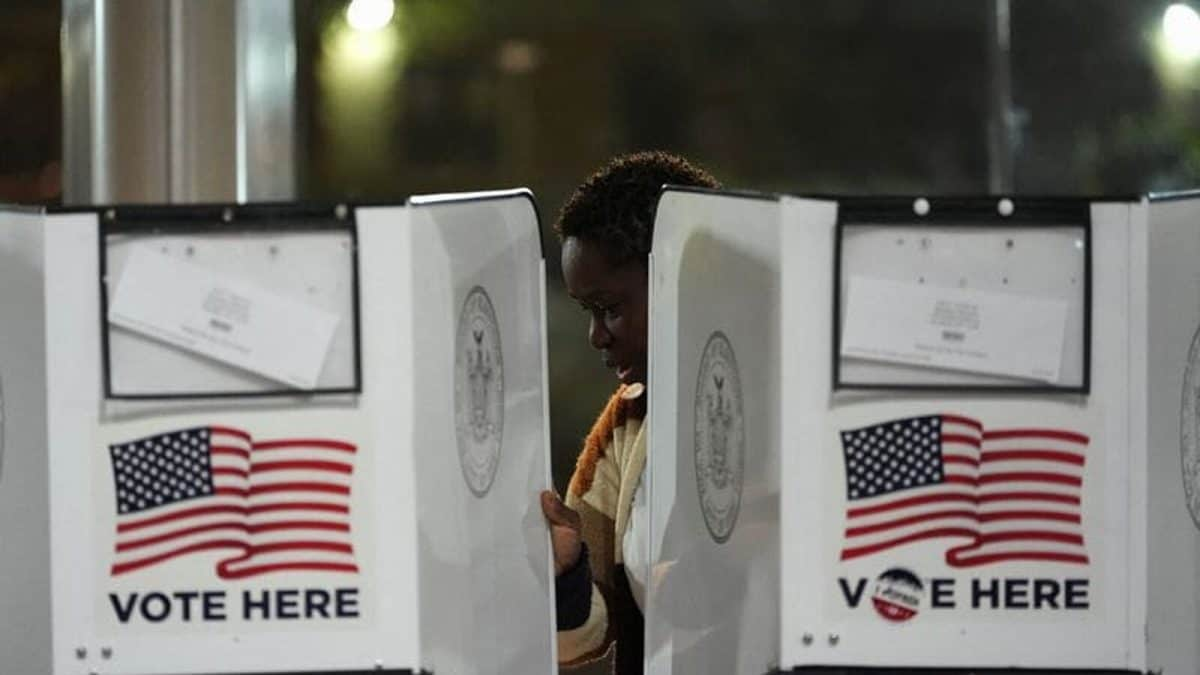
Image/ReutersAs millions of Americans cast their ballots on the first Tuesday after the first Monday in November, the reason behind this specific polling day lies in horse-and-buggy logistics.
Congress passed a federal law in 1845 to standardise a single national Election Day for federal contests.
Lawmakers specifically framed the rule as “the Tuesday after the first Monday" to avoid Election Day falling on 1 November.
This specific rule was created to prevent Election Day from landing on November 1st, which is All Saints' Day and a time when merchants traditionally tallied their monthly books.
News world US Midterms: Why Do Americans Vote On A Tuesday? The 180-Year-Old Horse-And-Buggy Story Behind Election Day
US Midterms: Why Do Americans Vote On A Tuesday? The 180-Year-Old Horse-And-Buggy Story Behind Election Day
Written By :
,
Last Updated: November 03, 2026, 17:44 IST
While Tuesday voting was designed for 19th-century farmers, critics argue it creates hurdles for modern working families who struggle to vote on a standard workday
Rapid Read
The widespread expansion of early voting, mail-in ballots, and flexible polling options across most US states has lessened the strict reliance on a single Tuesday, even as the 180-year-old law remains officially on the books. Image/Reuters
As millions of Americans cast their ballots on the first Tuesday after the first Monday in November, the reason behind this specific polling day lies in horse-and-buggy logistics. The practice stems from a federal law passed in 1845, when the United States was largely an agrarian society.
Before 1845, individual states held elections on whichever dates suited them over a 34-day window. However, as the telegraph network expanded, early voting results from one state began influencing turnout in another. Congress stepped in to standardise a single national Election Day for federal contests.
Why Tuesday? Avoiding Church and Market Days
Nineteenth-century lawmakers had to navigate strict social, religious, and geographical constraints when selecting an optimal voting day:
Sunday was off-limits: Most Americans reserved Sunday for church and rest.
Monday was travel time: Rural voters living miles from county seats needed a full day on horseback or carriage to reach polling places without travelling on the Sabbath.
Wednesday was market day: Farmers routinely brought their crops to town on Wednesdays to trade, making it inconvenient to stand in polling lines.
Tuesday emerged as the ideal day—allowing citizens to travel on Monday, vote on Tuesday, and return home in time for midweek trade.
At A Glance 1 . Congress passed a federal law in 1845 to standardise a single national Election Day for federal contests. 2 . Tuesday was chosen as the ideal voting day to accommodate travel needs, church days, and market days in an agrarian society. 3 . November was selected because it fell after the fall harvest was complete but before severe winter weather arrived. 4 . The rule specifies the Tuesday after the first Monday in November to avoid falling on November 1st, which is All Saints' Day and a merchant accounting day. Show More
Why November and the ‘First Monday’ Rule?
November was deliberately chosen because it fit the agricultural calendar. Late autumn fell after the laborious fall harvest was complete, but before harsh winter weather made rural roads impassable.
Lawmakers specifically framed the rule as “the Tuesday after the first Monday" to avoid Election Day falling on 1 November. November 1st is All Saints’ Day, a holy day for Roman Catholics, and was historically when merchants tallied their books for the preceding month.
Modern Push for Reform
While Tuesday voting was designed for 19th-century farmers, critics argue it creates hurdles for modern working families who struggle to vote on a standard workday. Various reform groups have campaigned to shift Election Day to a weekend or declare it a federal holiday.
Despite these debates, the widespread expansion of early voting, mail-in ballots, and flexible polling options across most US states has lessened the strict reliance on a single Tuesday, even as the 180-year-old law remains officially on the books.
News18 Newsletter Handpicked stories, in your inbox A newsletter with the best of our journalism submit
Quick Answers Powered by Ask News18 Why do US elections take place on a Tuesday? The Tuesday voting tradition stems from an 1845 federal law designed for an agrarian society, allowing rural citizens to travel on Monday after church, vote on Tuesday, and attend market on Wednesday. Why was November chosen for Election Day in the United States? November was selected because it fell after the demanding autumn harvest was finished, yet occurred before severe winter weather made rural roads impassable. Why is US Election Day scheduled for the Tuesday after the first Monday? This specific rule was created to prevent Election Day from landing on November 1st, which is All Saints' Day and a time when merchants traditionally tallied their monthly books. Powered by Ask News18
About the Author Pathikrit Sen Gupta Pathikrit Sen Gupta is a Senior Associate Editor with News18.com and likes to cut a long story short. He writes sporadically on Politics, Sports, Global Affairs, Space, Entertainment, And Food. He tra... Read More
ADD YOUR COMMENT
Location : Washington D.C., United States of America (USA)
First Published: November 03, 2026, 17:43 IST
Disclaimer: Comments reflect users’ views, not News18’s. Please keep discussions respectful and constructive. Abusive, defamatory, or illegal comments will be removed. News18 may disable any comment at its discretion. By posting, you agree to our Terms of Use and Privacy Policy Loading comments...