THE loss of U.S. measles elimination status prompts a $100 million federal response targeting vaccination gaps and clinical outbreak care.
Measles Elimination StatusSince August, federal health authorities have distributed approximately $100 million in additional nationwide funding through most of 2027 to combat measles and other vaccine preventable diseases.
To assist jurisdictions experiencing active transmission, federal Epi-Aid teams deploy upon request to provide tailored epidemiological, laboratory, and technical support.
For practicing physicians, regaining U.S. measles elimination status requires heightened diagnostic vigilance, adherence to evidence based protocols for managing measles and its complications, and transparent, empathetic patient counseling regarding vaccine benefits and risks.
Measles Elimination Status.
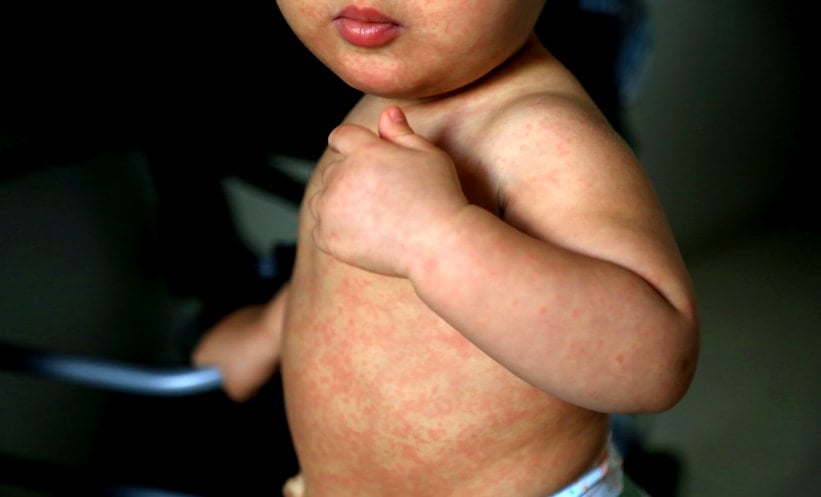
THE loss of U.S. measles elimination status prompts a $100 million federal response targeting vaccination gaps and clinical outbreak care. Federal and regional public health agencies confirmed this milestone shift while outlining coordinated clinical and epidemiological measures to halt ongoing viral transmission and restore national disease elimination.
Federal Funding and Outbreak Response for U.S. Measles Elimination Status
Since August, federal health authorities have distributed approximately $100 million in additional nationwide funding through most of 2027 to combat measles and other vaccine preventable diseases. This financial commitment includes $50.2 million allocated via the Strengthening Vaccine Preventable Disease Prevention and Response cooperative agreement to identify emerging risks, close immunity gaps, and build community partnerships. An additional $49.8 million supports the Epidemiology and Laboratory Capacity cooperative agreement to bolster outbreak preparedness, surveillance, and rapid containment.
To assist jurisdictions experiencing active transmission, federal Epi-Aid teams deploy upon request to provide tailored epidemiological, laboratory, and technical support. Jurisdictions including Texas, South Carolina, Virginia, Kansas, New Mexico, and Wisconsin previously utilized these teams to bring local outbreaks under control, while Pennsylvania and New York have requested similar federal deployment. Public health laboratories are also expanding whole genome sequencing and diagnostic testing to trace transmission patterns and equip clinicians with actionable local data.
Declining Immunization Coverage and Clinical Priorities
Interruptions to routine pediatric healthcare during the COVID-19 pandemic created substantial immunity vulnerabilities nationwide. Kindergarten measles, mumps, and rubella vaccination coverage declined from 95.2% during the 2019 to 2020 school year to 92.7% in 2023 to 2024. Furthermore, a 2025 Johns Hopkins led analysis revealed falling vaccination rates across 78% of 2,066 counties examined in 33 states compared with pre-pandemic levels, alongside national survey data showing eroded public trust in physicians and hospitals between 2020 and 2024.
Because measles continues circulating in over 100 countries, cross border transmission remains a persistent clinical hazard. Health officials continue recommending measles, mumps, and rubella vaccination as the most effective preventive measure while recognizing that some individuals have medical contraindications or personal exemptions. For practicing physicians, regaining U.S. measles elimination status requires heightened diagnostic vigilance, adherence to evidence based protocols for managing measles and its complications, and transparent, empathetic patient counseling regarding vaccine benefits and risks.
Reference
CDC Newsroom. Joint Statement: Loss of U.S. Measles Elimination Status. U.S. Department of Health and Human Services. 2026. Available at: https://www.cdc.gov/media/releases/2026/loss-of-usmeasles-elimination-status.html. Last accessed: 17 November 2026.