Reactor capable of producing fissile material Grossi said the reactor’s design and technical characteristics indicated that it could have been used to produce material suitable for nuclear weapons.
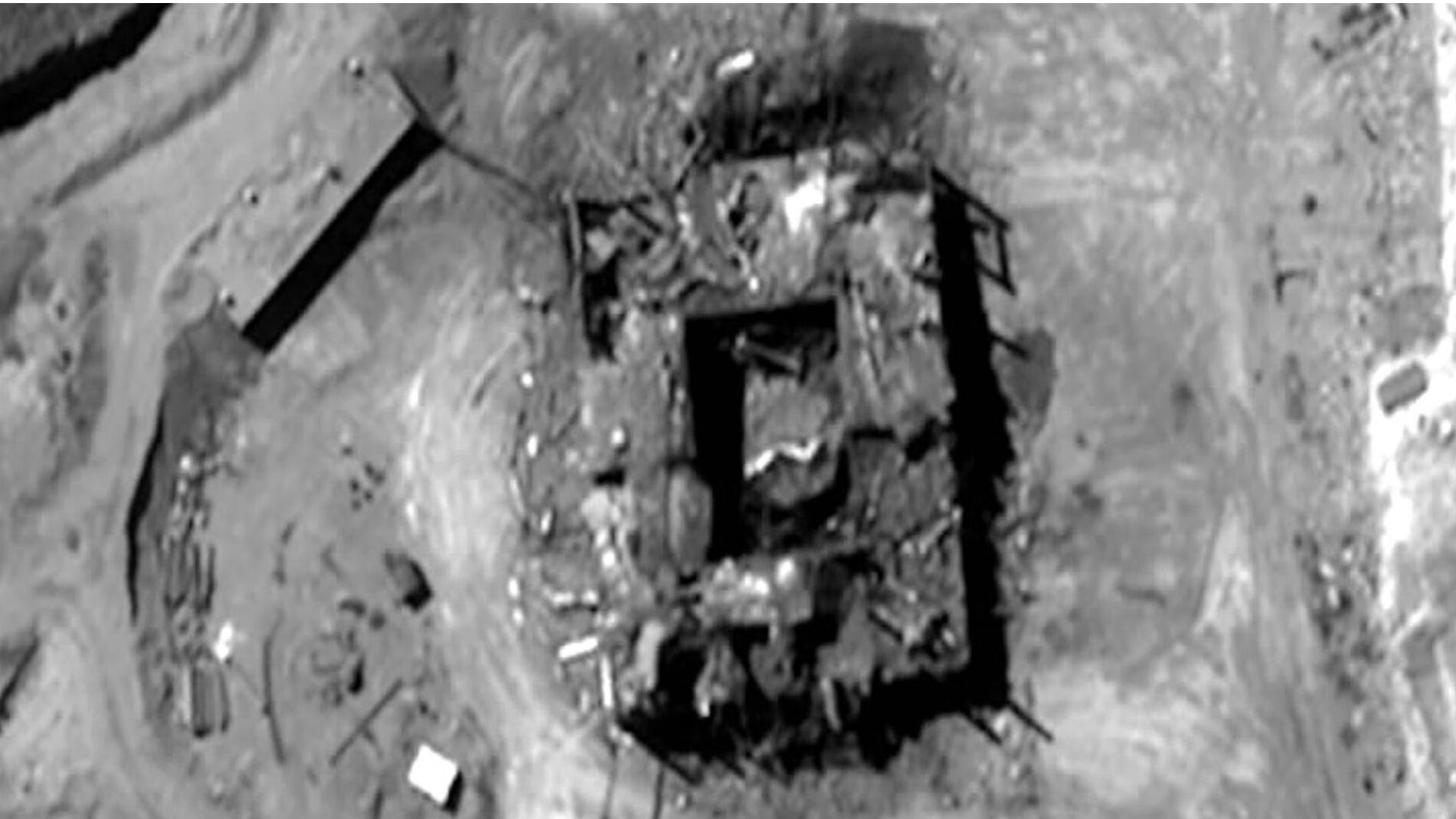
During an August visit, IAEA inspectors confirmed that “the cooling infrastructure which has now been uncovered is consistent with that of a nuclear reactor”.
In 2008, U.S. officials accused Syria of attempting to build a secret nuclear reactor and acknowledged that Israel had destroyed it.
Inspectors find 80 tons of uranium Syrian authorities notified the IAEA of the second site in a July 17 letter and invited the agency to inspect it and verify any nuclear material that might be present.
Inspectors verified the material and confirmed “the presence of around 73 tonnes (80 U.S. tons) of natural uranium metal.” Grossi said inspectors had to “tear down walls” and pass through “very difficult and narrow passages” to reach the hidden material.
A nearly complete nuclear reactor secretly built in Syria under former leader Bashar al-Assad could have produced fissile material for possible use in nuclear weapons, according to Rafael Grossi, head of the International Atomic Energy Agency (IAEA). The assessment follows inspections carried out last month at two sites in Syria, including one in Deir ez-Zor and another previously undisclosed location identified by Syrian authorities.
The inspections came after Assad was ousted in December 2024 and the new government agreed to provide the IAEA access to suspected former nuclear sites. Reactor capable of producing fissile material Grossi said the reactor’s design and technical characteristics indicated that it could have been used to produce material suitable for nuclear weapons. “Given the configuration, the technical features of that type of reactor, this is a reactor that is very efficient in the production of fissile material that could be used directly for the fabrication of nuclear weapons,” he said, adding that building the reactor was a “very important step.” Grossi also said it was “obvious that the previous government was pursuing a number of clandestine” activities. “They didn’t want the world to know what they were doing,” he told reporters after opening the agency’s quarterly board of governors meeting in Vienna.
During an August visit, IAEA inspectors confirmed that “the cooling infrastructure which has now been uncovered is consistent with that of a nuclear reactor”. Israel acknowledged in 2018 that it had carried out an airstrike on the site in 2007. In 2008, U.S. officials accused Syria of attempting to build a secret nuclear reactor and acknowledged that Israel had destroyed it. Inspectors find 80 tons of uranium Syrian authorities notified the IAEA of the second site in a July 17 letter and invited the agency to inspect it and verify any nuclear material that might be present. According to an IAEA report circulated to member states, the site contained “natural uranium metal in the form of fuel rods with cladding”. Inspectors verified the material and confirmed “the presence of around 73 tonnes (80 U.S. tons) of natural uranium metal.” Grossi said inspectors had to “tear down walls” and pass through “very difficult and narrow passages” to reach the hidden material. He said boxes were scattered throughout the site.