Trump has repeatedly criticised Emals, arguing that the technology is overly complicated and less reliable than the steam catapults used on earlier Nimitz-class carriers.
AdvertisementUnder the new directive, future Ford-class carriers will use steam catapults to launch aircraft and hydraulic systems for weapons elevators.
More from World More from WorldThe Navy has also not procured steam catapults for more than two decades.
Returning to steam systems would require additional personnel at a time when the Navy is already facing staffing shortages.
Steam systems require more sailors to operate and maintain boilers, pipes and hydraulic equipment.
The proposed switch from electromagnetic catapults to steam could raise costs and increase staffing and maintenance demands
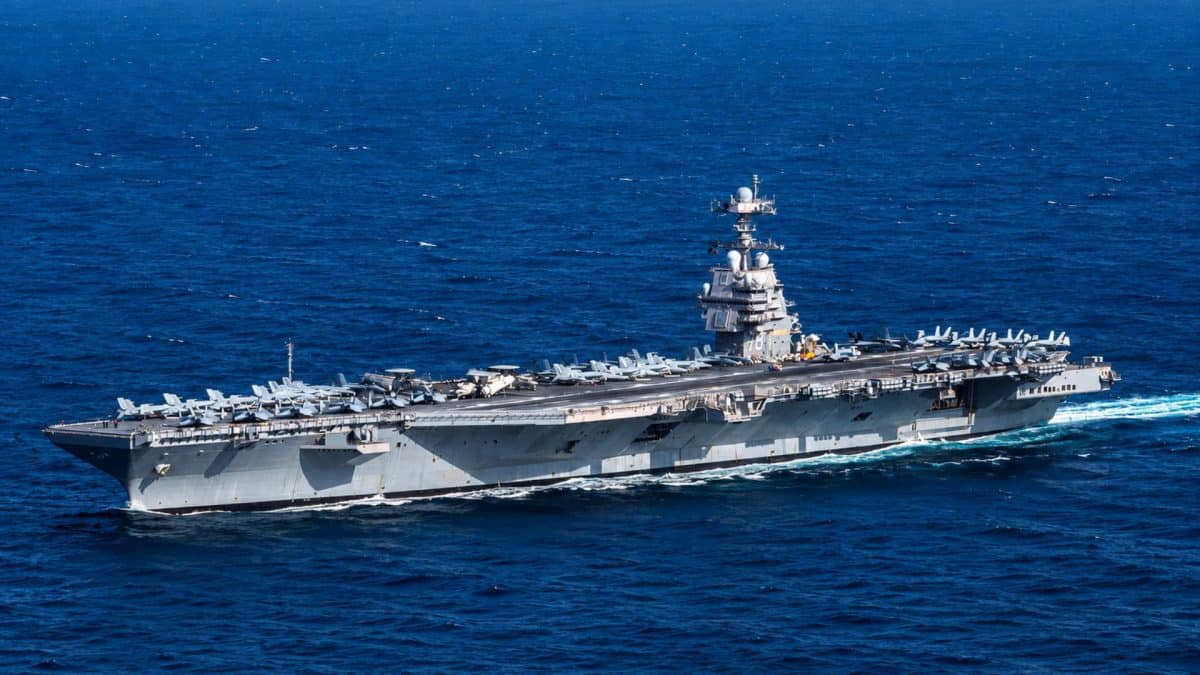
US President Donald Trump has ordered the Navy to abandon the electromagnetic aircraft launch system (Emals) on future Ford-class aircraft carriers and return to traditional steam-powered catapults.
The directive was issued through a National Security Presidential Memorandum signed on Thursday. It specifically affects the USS Doris Miller (CVN-81), the fourth Ford-class carrier, which is currently under construction at Huntington Ingalls Industries’ Newport News Shipbuilding in Virginia.
A major shift in carrier technology
The order reverses a key feature of the Ford-class carrier programme, which was designed around an all-electric architecture.
Trump has repeatedly criticised Emals, arguing that the technology is overly complicated and less reliable than the steam catapults used on earlier Nimitz-class carriers.
Advertisement
Under the new directive, future Ford-class carriers will use steam catapults to launch aircraft and hydraulic systems for weapons elevators.
The first three ships in the class, USS Gerald R. Ford, USS John F Kennedy and USS Enterprise, will continue using their existing electromagnetic systems.
Retrofitting the Doris Miller
The decision could create major engineering challenges because the Doris Miller was designed around electromagnetic systems from the beginning.
Switching to steam technology during construction would require extensive redesign, including space for high-pressure piping, boilers and other supporting equipment.
More from World More from World
The Navy has also not procured steam catapults for more than two decades. Restarting production could therefore require new investments and the rebuilding of parts of the existing supply chain.
The change is also expected to increase the carrier's staffing requirements. Emals was designed to reduce the number of sailors needed to operate catapults. Returning to steam systems would require additional personnel at a time when the Navy is already facing staffing shortages.
Debate over Emals
The White House has presented the shift as a return to technology with a proven operational record. However, defence experts have raised concerns about the cost, timeline and potential impact on carrier operations.
Advertisement
Emals has several advantages over steam catapults. Its launch system can more precisely control the amount of energy delivered to an aircraft, allowing carriers to launch a wider range of platforms, including heavier aircraft and unmanned systems. It is also designed to reduce mechanical stress on aircraft.
Critics of the new policy argue that replacing the system could affect carrier readiness and undermine some of the technological advantages built into the Ford-class design.
What it means for sailors
For sailors aboard the Doris Miller, replacing Emals with steam catapults could mean a heavier workload and greater staffing needs. Steam systems require more sailors to operate and maintain boilers, pipes and hydraulic equipment.
The work areas below the flight deck can also be hotter, noisier and more physically demanding. Sailors would need to carry out regular inspections and maintenance of the complex steam system.
Catapult crews could also face more demanding launch operations compared with Emals, which uses computer-controlled electromagnetic technology. The change could therefore increase manpower requirements and make daily operations more labour-intensive for the ship’s crew.
Advertisement
And this comes at a time when reports have described “deteriorating conditions” and mental health struggles among sailors aboard the USS Abraham Lincoln following its prolonged deployment.
Navy given two months to submit plan
The Pentagon and Navy have been given two months to prepare a detailed plan for implementing the change.
The plan will outline how the Navy intends to retrofit the Doris Miller with steam catapults and hydraulic weapons elevators, as well as address the engineering, supply chain and staffing challenges involved in the transition.