Read Full Story"Oil is flowing through the Hormuz Strait.
We are doing it much more for others, than we are for ourselves, and we have been for Generations!"
Shipping through Hormuz remains well below pre-war levels amid attacks on commercial vessels and restrictions imposed by Iran.
TRUMP SAYS IRAN WANTS A DEALAlongside his warning over Hormuz, Trump asserted that Iran was seeking a rapid diplomatic settlement with Washington, although he made clear that any decision on US engagement would rest with him.
TRUMP FACES PRESSURE FROM GULF ALLIESThe renewed conflict in Yemen presents a difficult choice for Trump.
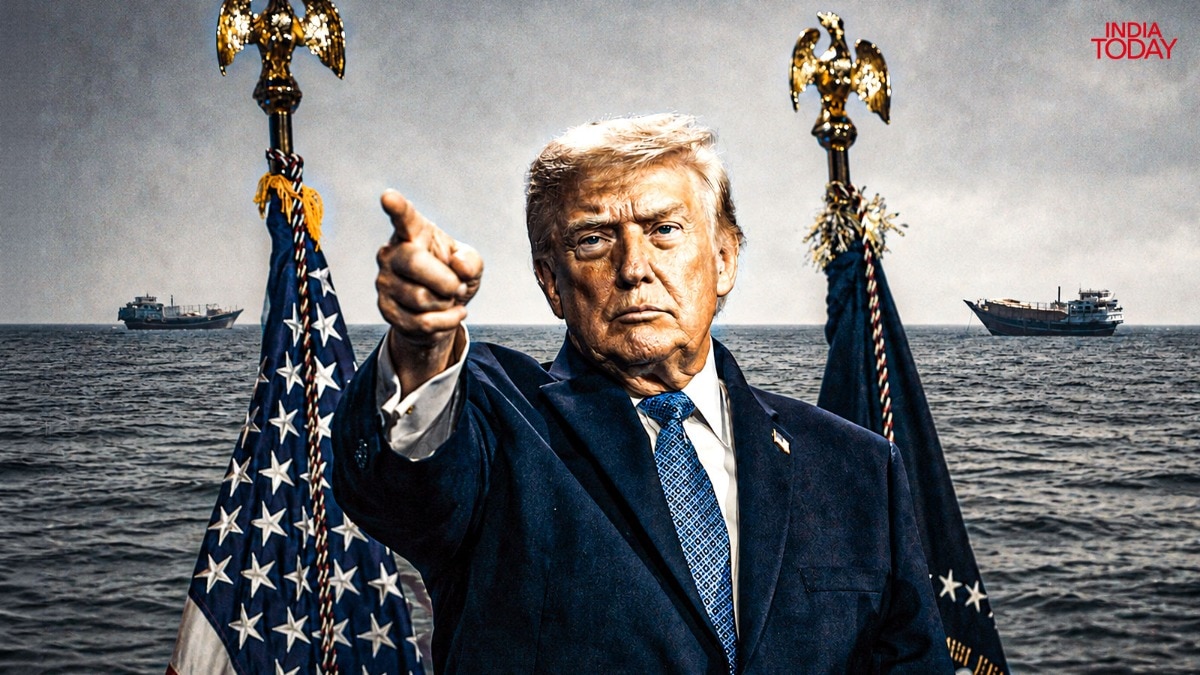
US President Donald Trump has demanded that countries benefiting from the security of the Strait of Hormuz reimburse the United States for the costs of protecting the crucial oil-shipping route, while claiming that oil is continuing to flow through the waterway despite the widening military conflict with Iran.
In a series of posts on Truth Social on Monday, Trump argued that the US was doing more to secure global energy supplies than it was for its own interests and suggested that other nations should bear part of the financial burden.
Read Full Story
"Oil is flowing through the Hormuz Strait. The Countries of the World, which have been no help to us whatsoever, should, and will, reimburse the United States of America when this SCAM Confligration is all over. We are doing it much more for others, than we are for ourselves, and we have been for Generations!"
Trump's claim comes against a sharply different backdrop from Tehran, which has asserted control over traffic through the strategic waterway and maintained restrictions on shipping. Iranian officials have said vessels must follow routes and procedures set by Tehran, while Washington has rejected Iran's claim that it controls the strait. Shipping through Hormuz remains well below pre-war levels amid attacks on commercial vessels and restrictions imposed by Iran.
The diplomatic effort to address the standoff also suffered a setback after Oman called off a planned meeting between Iran and Gulf states that was aimed at discussing arrangements for the strategic waterway. Omani Foreign Minister Badr Albusaidi said the meeting was postponed in the interests of consensus, with no new date announced. Iran said the postponement followed a request from regional countries.
TRUMP SAYS IRAN WANTS A DEAL
Alongside his warning over Hormuz, Trump asserted that Iran was seeking a rapid diplomatic settlement with Washington, although he made clear that any decision on US engagement would rest with him.
"The failing Nation of Iran wants to make a deal, quickly and badly. I will determine whether or not the USA will choose to engage - The concept of which we are open to."
The remarks point to a possible diplomatic opening even as fighting continues across the region. Trump has previously signalled that he is open to negotiations but has also maintained pressure on Tehran through military and economic measures.
OIL FLOWS REMAIN UNDER PRESSURE
The uncertainty around Hormuz has already been reflected in energy markets. Crude oil prices jumped more than 4 per cent when trading resumed on Monday after the weekend's developments, although some of those gains were later pared during US morning trading.
The situation has also pushed US fuel costs higher, with the average retail price of diesel rising above $6.23 a gallon, according to the supplied background.
The risks extend beyond Hormuz itself. A separate attack on Saudi Arabia's east-west oil pipeline has raised concerns about another critical route for Gulf exports. The pipeline allows oil shipments to bypass the Strait of Hormuz, which has been largely closed since US and Israeli attacks on Iran at the end of February.
advertisement
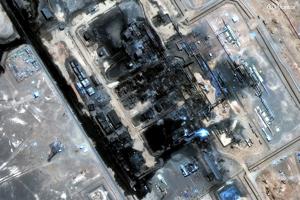
Traders have estimated that a prolonged shutdown of the Saudi pipeline could affect as much as 4 per cent of global oil supply. Satellite imagery has shown fire damage along parts of the route, although Saudi authorities have not provided a timeline for the restoration of operations.
Iran has also issued a warning to shipping operators. Tehran published a list of 77 vessels it said had violated its operating protocols in Hormuz and warned that future transits could result in fines, detention or confiscation.
HOUTHI ATTACKS ADD TO REGIONAL PRESSURE
The latest escalation is not confined to the Gulf. Yemen's Iran-aligned Houthis have launched fresh attacks against Saudi Arabia, creating another challenge for the Trump administration as it attempts to prevent the regional conflict from expanding further.
The Houthis said they fired dozens of missiles and drones at a military airbase in Khamis Mushait in southern Saudi Arabia. They said the attacks targeted aircraft hangars, radar systems, runways and ammunition depots in retaliation for Saudi airstrikes in Yemen.
Saudi authorities issued emergency alerts in Khamis Mushait and three other southern cities that have previously faced Houthi attacks.
advertisement
The renewed fighting has also displaced civilians. The International Organisation for Migration estimates that 82,000 Yemenis have fled their homes since the beginning of the month as Houthi forces seized additional territory, including the historic Red Sea port of Mocha.
TRUMP FACES PRESSURE FROM GULF ALLIES
The renewed conflict in Yemen presents a difficult choice for Trump. Saudi Arabia has been seeking greater support against the Houthis, while the US President has also sought to avoid becoming directly involved in another major front of the regional war.
Three sources cited by news agency Reuters said Washington had so far resisted Saudi requests for direct military intervention beyond intelligence support. Trump said over the weekend that he had spoken with the crown prince and that the Houthis had also contacted Washington, urging the US to stay out of the fighting.
The US previously bombed Houthi targets for two months in 2025 before Trump halted the campaign after reaching a ceasefire with the group.
- Ends
With inputs from agencies