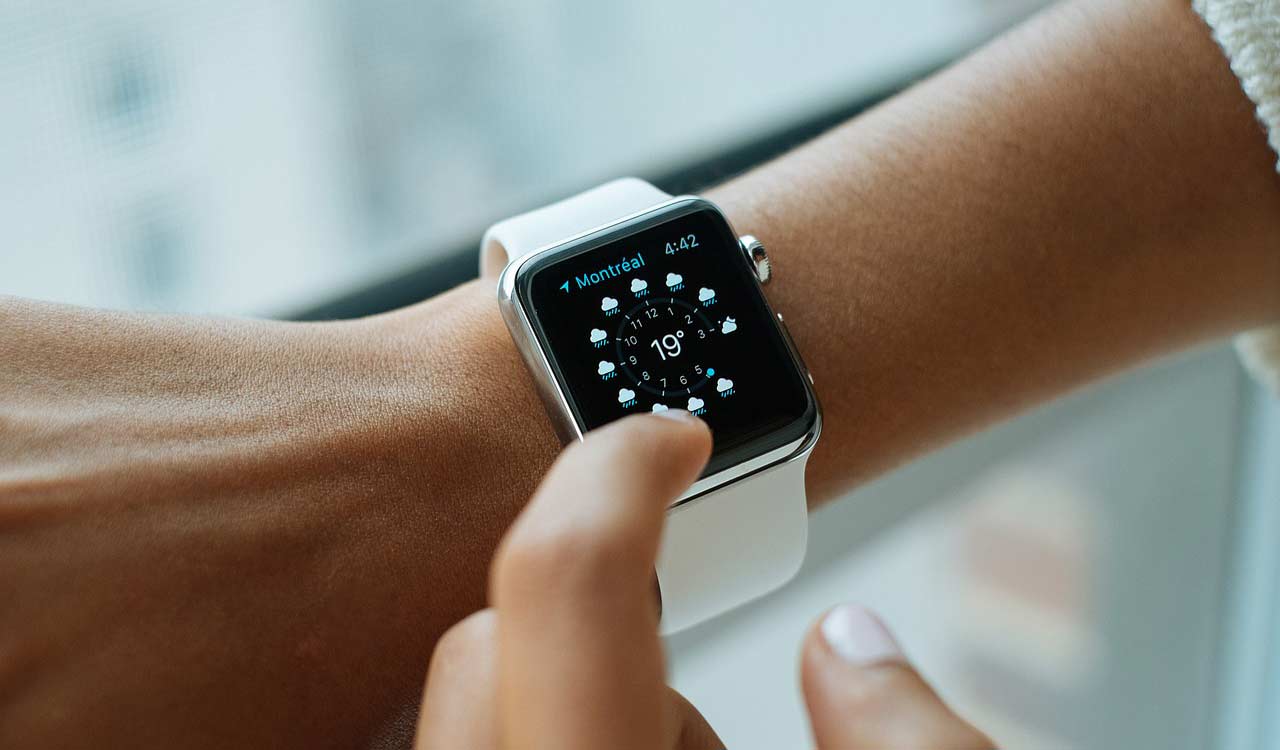
The smartwatch myth: Why wrist wearables can’t predict a heart attackSmartwatches can help track fitness and detect some irregular heart rhythms, but experts warn they cannot diagnose heart attacks.
Diagnosing a heart attack requires a clinical 12-lead electrocardiogram (ECG) to evaluate electrical activity across multiple vectors of the heart.
Individuals should always watch out for most common symptoms of a heart attack.
– A smartwatch ECG typically uses two contact points, such as a finger touching the crown or electrode and the back of the watch against the wrist.
– Smartwatches can track electrical heart rhythms such as AFib, but they cannot diagnose blocked blood vessels causing a heart attack.
The smartwatch myth: Why wrist wearables can’t predict a heart attack
Smartwatches can help track fitness and detect some irregular heart rhythms, but experts warn they cannot diagnose heart attacks. A clinical ECG and medical assessment are required, while people should recognise warning signs such as chest pain, breathlessness and dizziness
By M. Sai Gopal Updated On - 9 September 2026, 05:17 PM
Hyderabad: In the last few years, smartwatches have become ubiquitous. As every new iteration of a smartwatch offers improved technology, there are lakhs of users who rely on them for daily fitness tracking, sleep metrics, and heart rate monitoring. While technology enables the health conscious to track a number of health-related parameters, public health experts have urged smartwatch users to do away with the belief that these devices can predict or detect an active heart attack.
At present, all major and India-based consumer brands offer sophisticated wellness sensors, but they share strict clinical limitations and boundaries.
Diagnosing a heart attack requires a clinical 12-lead electrocardiogram (ECG) to evaluate electrical activity across multiple vectors of the heart. In stark comparison, smartwatches provide only a single-lead trace, which cannot detect localized tissue damage or blocked coronary arteries.
Smartwatches are engineered to track electrical timing irregularities like Atrial Fibrillation (AFib) or unusual resting heart rates. A heart attack, by contrast, is a mechanical crisis caused by a vascular blood flow blockage, which is something that a smartwatch is not equipped to handle.
Just moving hands, flexing muscles, or walking around creates static that messes up the sensors of smart watches. To get even a basic reading, the smartwatch needs the individual to sit completely still, which makes it impossible to check the heart health while the person is on the move.
A few days ago, noted public health commentator and senior neurologist from Hyderabad, Dr Sudhir Kumar on X, commented about the inability of smartwatches to detect a heart attack.
“Consumer wearables are fundamentally incapable of diagnosing a myocardial infarction, whether a user is resting or pushing through intense physical activity,” Dr Sudhir made it clear.
If a smartwatch is not able to flag a heart attack, then what are the possible physical changes that normal people should watch out for?
Health experts urge individuals to recognize classic physiological warning signs rather than checking their wrists during a cardiac event. Individuals should always watch out for most common symptoms of a heart attack.
Some of them include chest pressure, tightness, squeezing, or pain, discomfort spreading to the jaw, neck, back, or arms, unexplained shortness of breath and sudden dizziness, lightheadedness, cold sweats, or nausea.
Dr Sudhir made it clear that while smartwatches are exceptional fitness companions and helpful tools for catching irregular heart rhythms early, they should never be treated as diagnostic tools in case of medical emergencies.
Health Tech:
– No smartwatch should be relied upon to diagnose an active heart attack.
– A heart attack can be clinically assessed using a 12-lead ECG, along with other tests.
– A standard ECG uses 10 electrodes placed on the body to record the heart’s electrical activity from 12 different viewpoints.
– A smartwatch ECG typically uses two contact points, such as a finger touching the crown or electrode and the back of the watch against the wrist.
– These two contact points create a single electrical pathway, known as a single-lead trace.
– Smartwatches can track electrical heart rhythms such as AFib, but they cannot diagnose blocked blood vessels causing a heart attack.
– Movement, muscle activity and exercise can create artefacts that affect the accuracy of smartwatch sensors.