Spotify is expanding its use of artificial intelligence with a new conversational feature that allows Premium subscribers to interact with the streaming service through natural conversations.
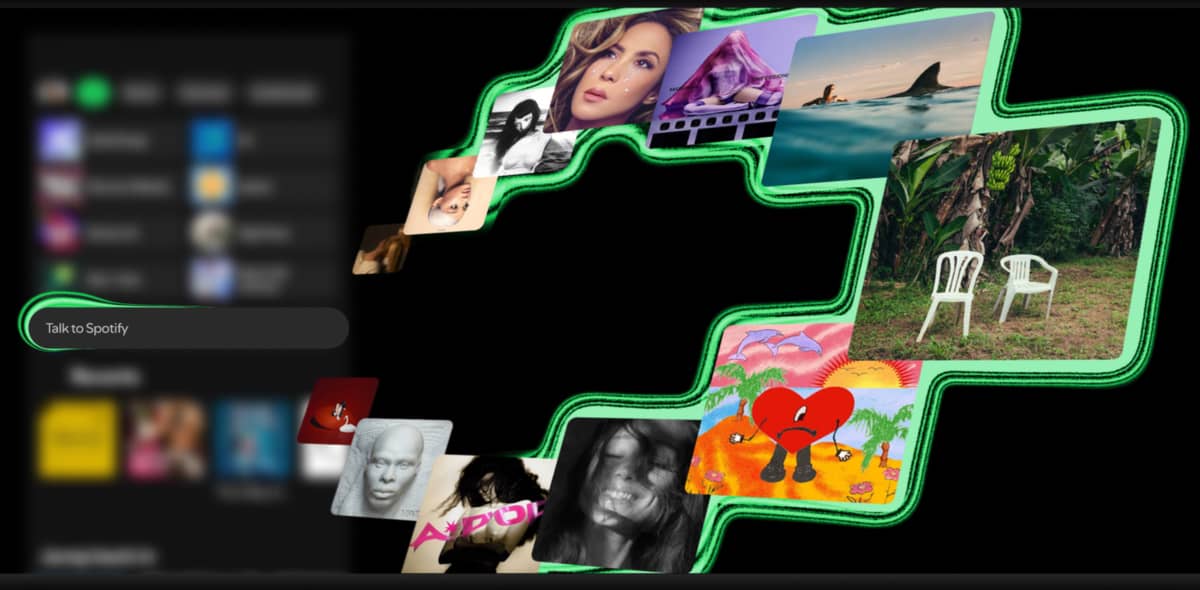
Called Talk to Spotify, the beta feature enables users to discover music, control playback, explore their listening history and learn more about songs, podcasts and audiobooks simply by typing or speaking within the app.
Users can narrow suggestions to recent releases, request a particular artiste, or simply ask for music with a different mood.
The feature effectively brings Spotify's personalised listening data into an interactive format, rather than waiting for annual summaries such as Spotify Wrapped.
It joins a growing list of AI-powered features already available on Spotify, including AI-generated playlists and the AI DJ, which offers spoken music recommendations.
Spotify is expanding its use of artificial intelligence with a new conversational feature that allows Premium subscribers to interact with the streaming service through natural conversations. Called Talk to Spotify, the beta feature enables users to discover music, control playback, explore their listening history and learn more about songs, podcasts and audiobooks simply by typing or speaking within the app.
The feature is rolling out gradually to eligible Premium subscribers aged 18 and above in the US, Ireland and Sweden on both iOS and Android devices. It is currently available only in English.
Unlike Spotify's existing AI-powered tools, which largely rely on prompts or automated recommendations, Talk to Spotify is designed to support an ongoing conversation. Users can access it from the Home screen or the Now Playing view, where they can either type a request or tap the microphone icon to speak.
The chatbot can respond to broad requests such as asking for artistes a listener has never heard before, before refining the recommendations through follow-up prompts. Users can narrow suggestions to recent releases, request a particular artiste, or simply ask for music with a different mood. Playback controls are also built into the experience, allowing listeners to save tracks, add songs to the queue or follow an artiste without leaving the conversation.
Spotify says the assistant is also capable of answering questions about the content currently being played. Listeners can ask when an album was released, what inspired a particular song, or what genre it belongs to. Similar functionality extends to podcasts and audiobooks, where users can enquire about podcast guests, authors or related works.
A notable addition is the chatbot's ability to reference an individual's listening habits. Drawing on playlists, favourite artistes, repeat listens and playback history, it can answer questions such as when a user first streamed a particular song or which genres they have been listening to most recently. The feature effectively brings Spotify's personalised listening data into an interactive format, rather than waiting for annual summaries such as Spotify Wrapped.
The company says the conversational assistant forms part of its broader effort to make the platform more personalised and easier to navigate. It joins a growing list of AI-powered features already available on Spotify, including AI-generated playlists and the AI DJ, which offers spoken music recommendations.
Spotify has not disclosed the specific technology powering the chatbot but has confirmed that it combines its own AI systems with models from multiple providers, selecting whichever is best suited to a particular task.
As with any beta release, Spotify acknowledges that the feature remains a work in progress. Responses may not always be accurate, and the company says user feedback will help shape future improvements before the feature becomes more widely available.
The latest rollout also reflects a broader trend among streaming platforms to integrate conversational AI into their services, enabling users to search, discover and manage content through more natural interactions rather than traditional menus and search tools.