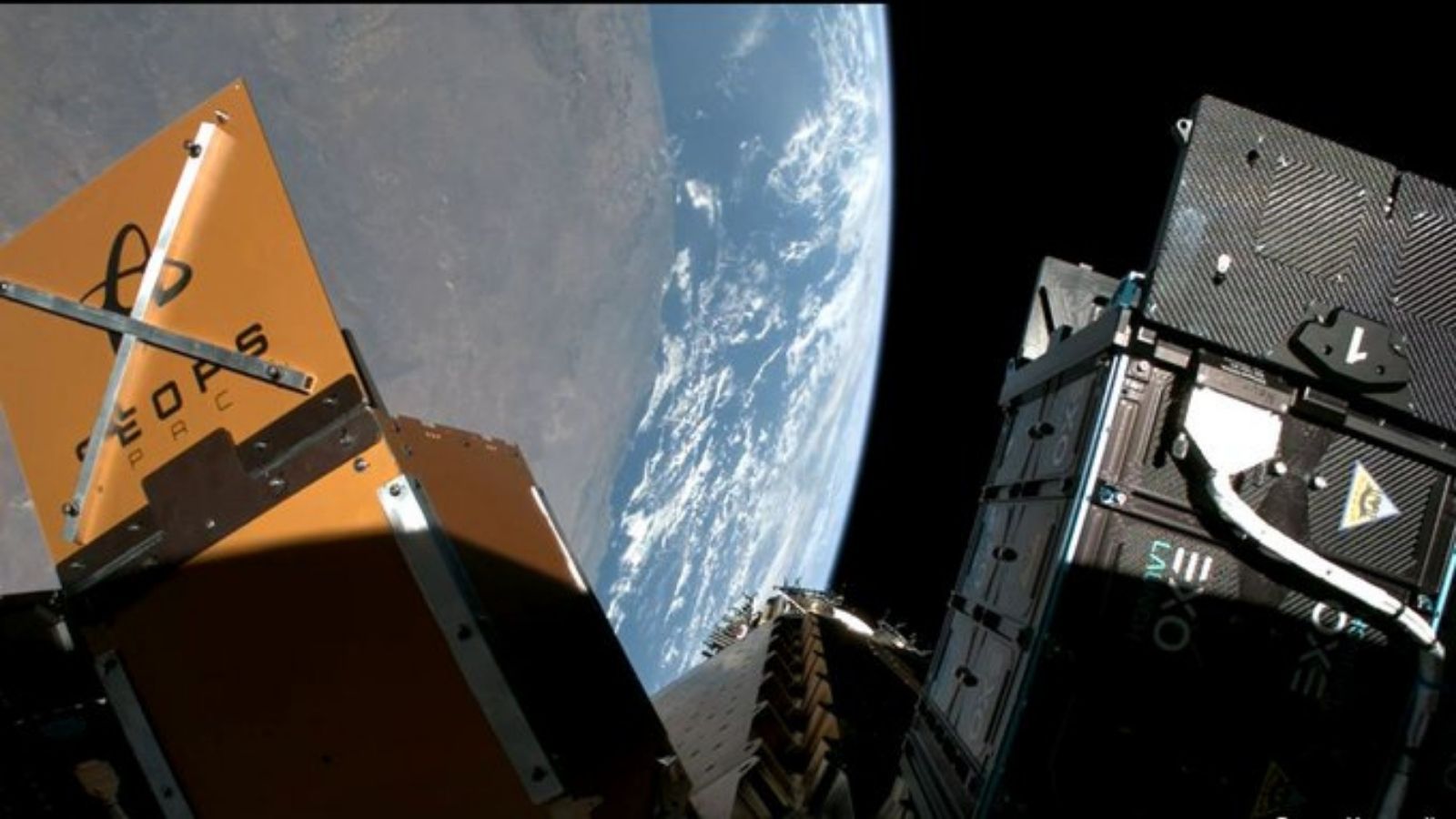
SpaceX's Falcon 9 rocket lifts off from Vandenberg Space Force Base carrying the BOHR satellite and 80 other payloads on the Transporter-17 mission.
(Image: X/ Museum of flight)SpaceX has successfully launched what is being described as the world’s first commercially built nuclear-powered satellite, marking a significant milestone for space-based nuclear technology.
The satellite, called BOHR (Betavoltaic Orbital High-Reliability), was developed by Florida-based company City Labs and lifted off on Tuesday aboard a SpaceX Falcon 9 rocket as part of the company’s Transporter-17 rideshare mission from Vandenberg Space Force Base in California.
The Falcon 9 mission carried 81 payloads, with satellite deployments beginning about 50 minutes after launch.
How BOHR’s nuclear technology worksBOHR is a demonstration mission designed to test City Labs’ proprietary NanoTritium betavoltaic micropower source in space for the first time.
SpaceX's Falcon 9 rocket lifts off from Vandenberg Space Force Base carrying the BOHR satellite and 80 other payloads on the Transporter-17 mission. (Image: X/ Museum of flight)
SpaceX has successfully launched what is being described as the world’s first commercially built nuclear-powered satellite, marking a significant milestone for space-based nuclear technology.
The satellite, called BOHR (Betavoltaic Orbital High-Reliability), was developed by Florida-based company City Labs and lifted off on Tuesday aboard a SpaceX Falcon 9 rocket as part of the company’s Transporter-17 rideshare mission from Vandenberg Space Force Base in California.
The Falcon 9 mission carried 81 payloads, with satellite deployments beginning about 50 minutes after launch.
How BOHR’s nuclear technology works
BOHR is a demonstration mission designed to test City Labs’ proprietary NanoTritium betavoltaic micropower source in space for the first time.
Unlike conventional satellites that rely entirely on solar panels, NanoTritium generates electricity by using the beta particles released during the radioactive decay of tritium, a radioactive form of hydrogen. Those particles are converted directly into electrical energy using a semiconductor device.