Long-term temperature swings in the Atlantic Ocean have long been attributed to natural ocean circulation.
By contrast, natural climate patterns continue to dominate the Pacific.
As those influences changed over decades, they created temperature patterns that researchers had often interpreted as natural ocean cycles.
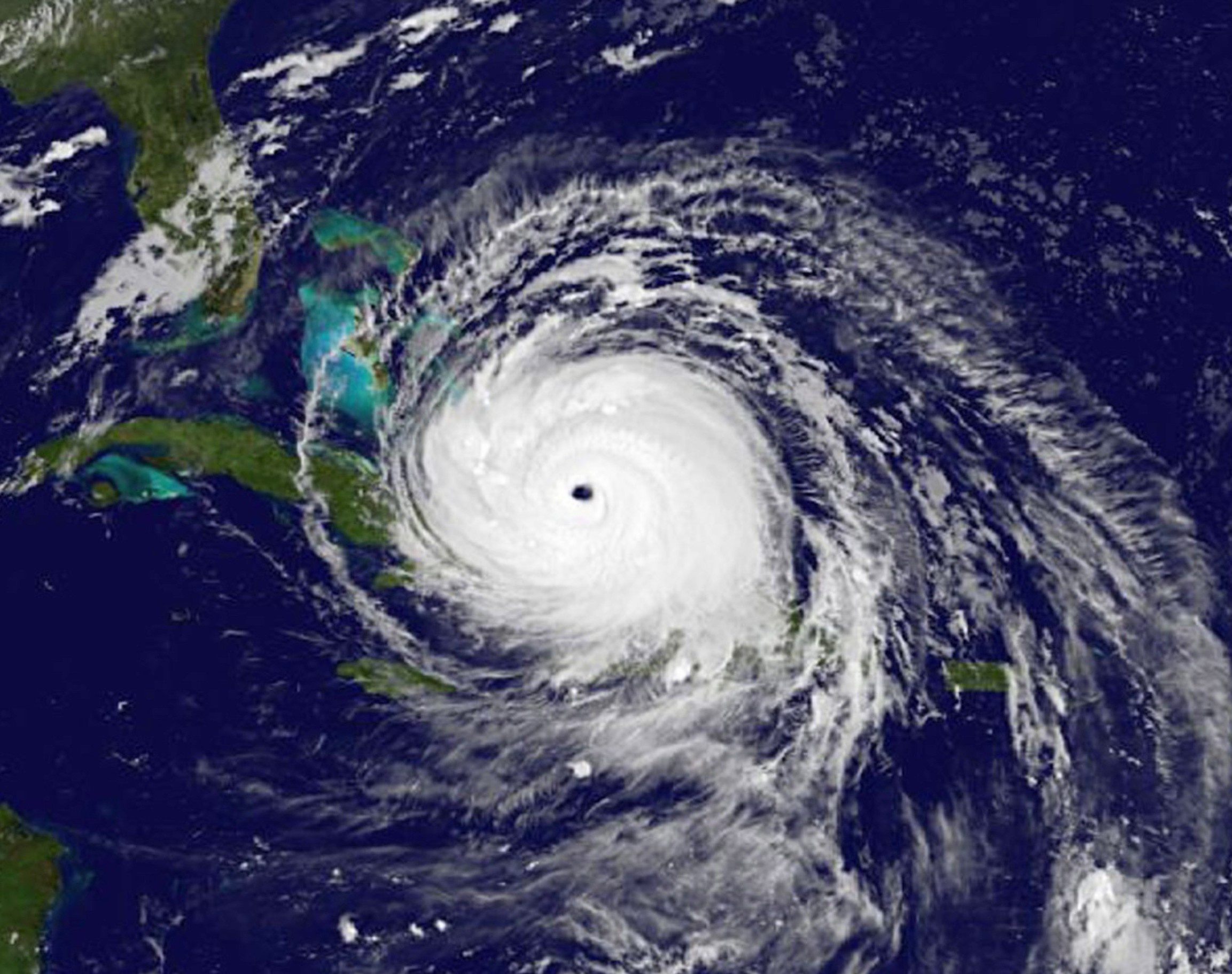
Atlantic Ocean temperatures play an important role in hurricane activity.
If Atlantic Ocean warming were mainly controlled by natural cycles, quieter hurricane periods could eventually return on their own.
Long-term temperature swings in the Atlantic Ocean have long been attributed to natural ocean circulation. New research suggests that’s wrong.
A new study separated natural climate signals from those caused by human activity. The researchers found that greenhouse gas emissions and air pollution now drive Atlantic sea surface temperatures.
By contrast, natural climate patterns continue to dominate the Pacific.
The findings have direct consequences for how scientists think about hurricanes and for anyone planning infrastructure along the Atlantic coast.
Michael Diamond, an assistant professor of meteorology at Florida State University (FSU), and meteorology graduate Anthony Freveletti led the study.
They worked with Robert Wills, an assistant professor at the ETH Zürich Institute for Atmospheric and Climate Science.
The team applied a new statistical method to climate model datasets spanning 1920 through 2025 to disentangle the overlapping signals driving ocean temperature changes in both basins.
A new look at ocean warming
The Pacific has well-known patterns of natural variability. and La Niña – opposing tropical climate cycles that swing every two to seven years – are familiar to most people.
Less well known is the Pacific Decadal Oscillation, a climate pattern that unfolds over decades and shapes long-term shifts in ocean temperatures.
The new research confirms that these Pacific oscillations are genuinely natural – the result of internal ocean dynamics rather than anything humans are doing.
The Atlantic was assumed to work the same way. Scientists thought its long-term temperature shifts were driven by the Atlantic Meridional Overturning Circulation (AMOC).
This vast ocean conveyor moves warm water northward and cold water southward, helping redistribute heat around the planet.
“Our findings contradict this theory,” said Freveletti. “We found that long-term changes in the Atlantic are more directly related to anthropogenic – human-produced – causes such as greenhouse gases and aerosols.”
Two human forces collide
What looked like natural variability in the Atlantic turned out to be two human-driven forces pulling in opposite directions.
Industrial air pollution releases aerosols that reflect sunlight and cool the ocean surface, while greenhouse gas emissions trap heat and warm it.
As those influences changed over decades, they created temperature patterns that researchers had often interpreted as natural ocean cycles.
“We know that important sources of natural variability in Earth’s climate system exist,” said Diamond.
“Our ability to distinguish between these natural and human-forced sources of temperature variability is key to projecting future temperatures and their related impacts on society.”
Separating human and natural changes
To untangle those overlapping signals, the researchers used a statistical approach called rotated low-frequency component analysis (RLFCA), applying it to climate model data with Python.
The method identifies patterns based on how quickly temperatures change over time.
“Since human emissions build up in the atmosphere over many years, the temperature changes they cause develop gradually over time,” said Freveletti.
Natural climate fluctuations, by contrast, tend to develop much faster.
By separating slow-evolving patterns from fast-changing ones, the team was able to distinguish long-term human influences from shorter-term natural variability.
What this means for hurricanes
The practical implications of getting this wrong extend well beyond climate research.
Atlantic Ocean temperatures play an important role in hurricane activity. The study suggests that the combined effects of human emissions have driven the sharp increase in hurricanes since 1990.
The findings also challenge the idea that a natural cycle would eventually reverse the trend.
The analysis also suggests that a combination of air pollution and greenhouse gas emissions produced the Atlantic temperature patterns linked to a spike in hurricane activity beginning around 1990.
Preparing for a warmer Atlantic
That finding changes how scientists think about the future. If Atlantic Ocean warming were mainly controlled by natural cycles, quieter hurricane periods could eventually return on their own.
But if human emissions are driving the trend, future conditions will depend largely on the choices people make.
“We should not expect to return to an inactive hurricane era by chance alone; the future of human emissions will be the most important driver of Atlantic temperatures going forward,” Diamond said.
The researchers say these findings could also help guide long-term planning along the Atlantic coast.
Preparing for a temporary natural cycle is very different from planning for a human-driven trend that will continue unless emissions decline.
The study is published in the journal Geophysical Research Letters.
Image Credit: NASA/NOAA GOES Project
—-
Like what you read? Subscribe to our newsletter for engaging articles, exclusive content, and the latest updates.
Check us out on EarthSnap, a free app brought to you by Eric Ralls and Earth.com.
——