How can landing on the Moon influence how future astronauts and scientists identify the origins of life on Earth?
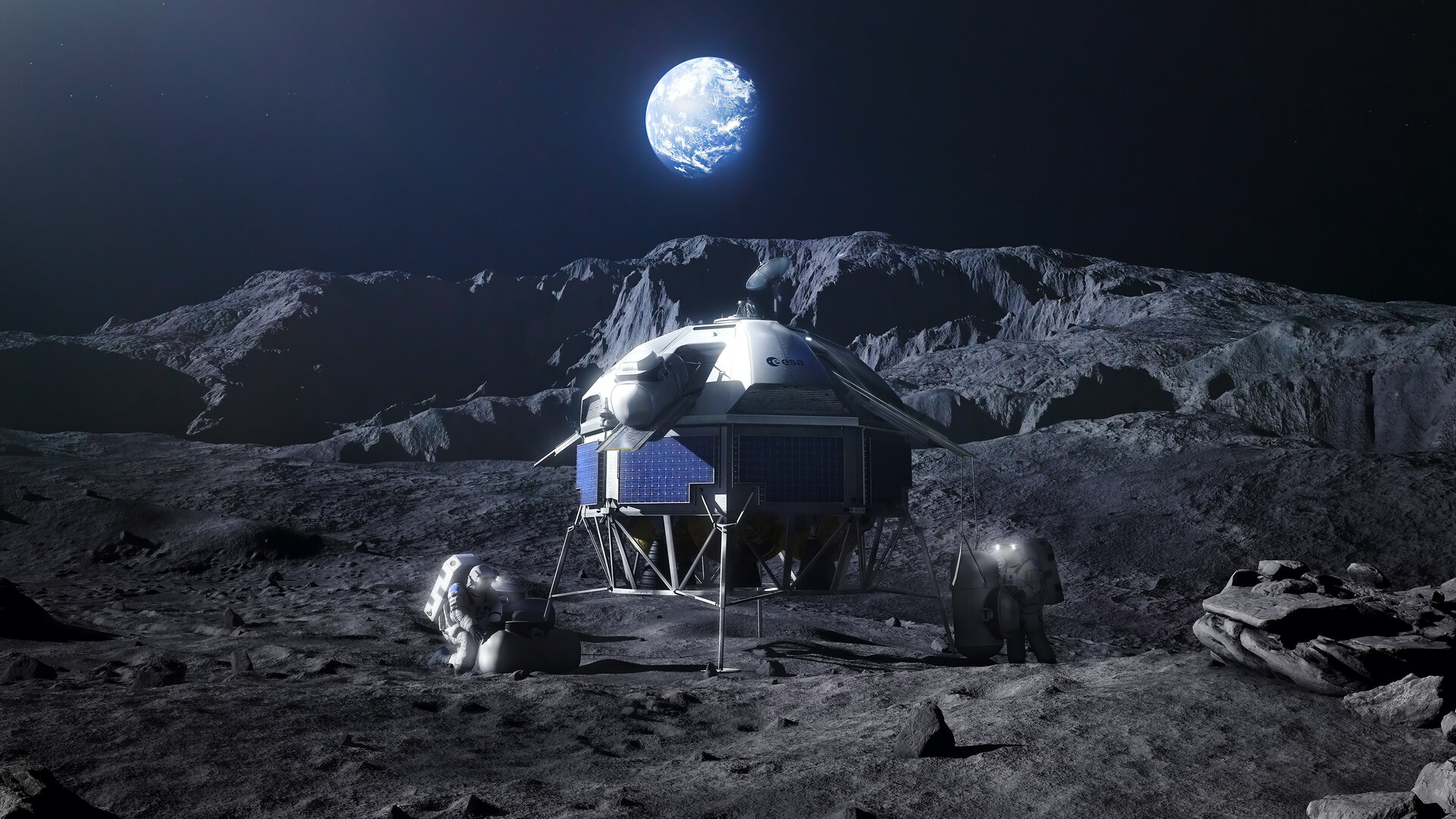
This is what a recent study published in JGR Planets hopes to address as a team of scientists investigated how exhaust plumes from landing rockets on the Moon could contaminate the lunar polar regions.
For the study, the researchers used a series of computer models to evaluate how lunar lander exhaust plumes could contaminate the water ice deposits located at the permanently shadowed regions (PSRs) of the Moon.
The goal of the study was to ascertain how long it would take for methane from the exhaust plumes of lunar landers to spread to PSRs located at both lunar poles.
“We will miss an opportunity if we don’t have instruments on board to validate those models.”What new insights into exhaust plumes and contaminating other planetary bodies will researchers make in the coming years and decades?
How can landing on the Moon influence how future astronauts and scientists identify the origins of life on Earth? This is what a recent study published in JGR Planets hopes to address as a team of scientists investigated how exhaust plumes from landing rockets on the Moon could contaminate the lunar polar regions. This study has the potential to help scientists better understand the role of human interference on space exploration and the steps that can be taken to mitigate it.
For the study, the researchers used a series of computer models to evaluate how lunar lander exhaust plumes could contaminate the water ice deposits located at the permanently shadowed regions (PSRs) of the Moon. This is because these water ice deposits are estimated to have been delivered to the Moon billions of years ago when life originated on the Earth delivered by meteorites or comets. This comes as NASA plans to lans astronauts on the lunar south pole in 2028 as part of the agency’s ambitious plans for building a lunar base there.
The goal of the study was to ascertain how long it would take for methane from the exhaust plumes of lunar landers to spread to PSRs located at both lunar poles. In the end, the researchers estimated that methane could take approximately 7 lunar days (29.5 Earth days is 1 lunar day) to reach both poles and become trapped there, thus potentially contaminating key scientific findings for the origins of life on Earth.
“I want to bring this discussion to mission teams, because, at the end of the day, it’s not theoretical — it’s a reality that we’re going to go there,” said Silvio Sinibaldi, who is the European Space Agency’s Planetary Protection Officer and co-author on the study. “We will miss an opportunity if we don’t have instruments on board to validate those models.”
What new insights into exhaust plumes and contaminating other planetary bodies will researchers make in the coming years and decades? Only time will tell, and this is why we science!
As always, keep doing science & keep looking up!
Sources: JGR Planets, ScienceDaily
Featured Illustration Credit: ESA