People living with diabetes (PwD) face an increased risk of complications from certain vaccine-preventable infections, highlighting the importance of prevention.
Influenza can lead to serious complications, including pneumonia and bronchitis, making annual vaccination particularly important.
IDF Europe’s position paper on vaccination highlights that influenza vaccination coverage among high-risk groups was below 33% in half of the countries in the WHO European Region.
Every consultation is an opportunity to preventDiabetes health professionals are well placed to make vaccination part of everyday diabetes conversations.
Making prevention part of diabetes careVaccination is an important part of diabetes care, helping to reduce the risk of preventable infections, serious complications and hospitalisation.
‘People living with diabetes are at higher risk of being hospitalised with flu – health professionals are well placed to make vaccination a part of every diabetes conversation, writes Marian Brennan of International Diabetes Federation Europe’
An estimated 66 million people live with diabetes in the European region, making it a major public health challenge for both individuals and healthcare systems. People living with diabetes (PwD) face an increased risk of complications from certain vaccine-preventable infections, highlighting the importance of prevention. As the winter respiratory virus season approaches, healthcare professionals (HCPs) have an important opportunity to discuss vaccine recommendations and vaccination status with the people in their care.
Why vaccination matters for PwD
Diabetes-specific physiological factors such as persistent and intermittent high blood glucose, chronic low-grade inflammation and high blood pressure can impair immune function, making it harder for the body to fight infections and potentially increasing the risk of severe illness and infection-related complications.
At the same time, infections can make diabetes more difficult to manage. Fever, inflammation and the body’s stress response may raise blood glucose levels, while reduced food intake, vomiting and dehydration can further complicate diabetes management. This two-way relationship highlights the importance of preventing infections and supporting PwD to manage their condition during illness.
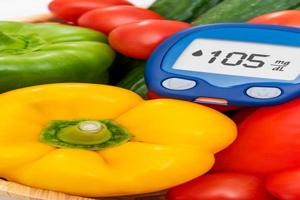
Two-way relationship: diabetes impairs immune function, while infections can raise blood glucose levels. Credit: iStock.com/BellPhotography423.
Respiratory infections: a priority for prevention
PwD are three to six times more likely to be hospitalised with influenza than the general population during peak influenza outbreaks. Influenza can lead to serious complications, including pneumonia and bronchitis, making annual vaccination particularly important.
Other respiratory infections, including COVID-19 and respiratory syncytial virus (RSV), can also cause severe illness in PwD, particularly older adults and those with additional health conditions. Pneumococcal infections pose further risks, including pneumonia, bloodstream infections and meningitis, particularly for PwD with cardiovascular or kidney complications. Vaccination against these infections offers important protection against severe illness and complications.
However, vaccination coverage among people at increased risk remains low across much of Europe. IDF Europe’s position paper on vaccination highlights that influenza vaccination coverage among high-risk groups was below 33% in half of the countries in the WHO European Region. This gap underlines the need to improve vaccine uptake and ensure that PwD have access to recommended protection.
Other important vaccinations
Protection against vaccine-preventable diseases extends beyond the respiratory infections discussed above. Vaccination against hepatitis B, herpes zoster (shingles) and tetanus-diphtheria-pertussis (Tdap) is also an important consideration for PwD. Diabetes is associated with an increased risk of hepatitis B infection and shingles, which can cause complications such as prolonged nerve pain, while maintaining routine Tdap vaccination helps protect against three potentially serious bacterial infections.
IDF Europe calls for these vaccines, alongside influenza, COVID-19 and pneumococcal vaccines, to be readily accessible and provided free of charge to all PwD.
Every consultation is an opportunity to prevent
Diabetes health professionals are well placed to make vaccination part of everyday diabetes conversations. A simple question – “Would it be OK if we discussed vaccinations today” – can open the door to a conversation about infection risks, vaccine benefits and practical ways to get vaccinated.
HCPs can help by:
Checking and discussing vaccination status during routine diabetes appointments and other healthcare encounters.
Recommending appropriate vaccines in line with national guidance and individual clinical needs.
Addressing questions and concerns with clear, accessible information tailored to each person’s circumstances.
Improving vaccine coverage also requires action from governments and healthcare systems. This includes reducing financial and practical barriers to vaccination and developing approaches that respond to the needs of different populations, particularly those who face difficulties accessing healthcare.
Making prevention part of diabetes care
Vaccination is an important part of diabetes care, helping to reduce the risk of preventable infections, serious complications and hospitalisation. Integrating vaccination into routine diabetes management, supported by equitable access to recommended vaccines, can help improve health outcomes and quality of life for PwD.
This World Diabetes Day (November 14), as Europe prepares for the winter respiratory virus season, is an important opportunity to reinforce the role of vaccination in protecting the health of PwD.
For further information, read IDF Europe’s position paper on vaccination for PwD.
Marian Brennan PhD is Communications and Engagement Manager at International Diabetes Federation Europe.