Several players broke into the Indian team for a brief period, only to never be seen again.
Some realised they weren’t cut out for that level of competition, while others lingered on until they were eventually dropped.
Players who played a 50-over World Cup but were dropped through no fault of their own.
He scored 323 runs in his first three Tests and averaged 53.83 after six, with scores of 43, 5, 60, 96, 79 and 40.
What takes the cake is that he achieved these numbers as an opener, even though opening wasn’t his forte.
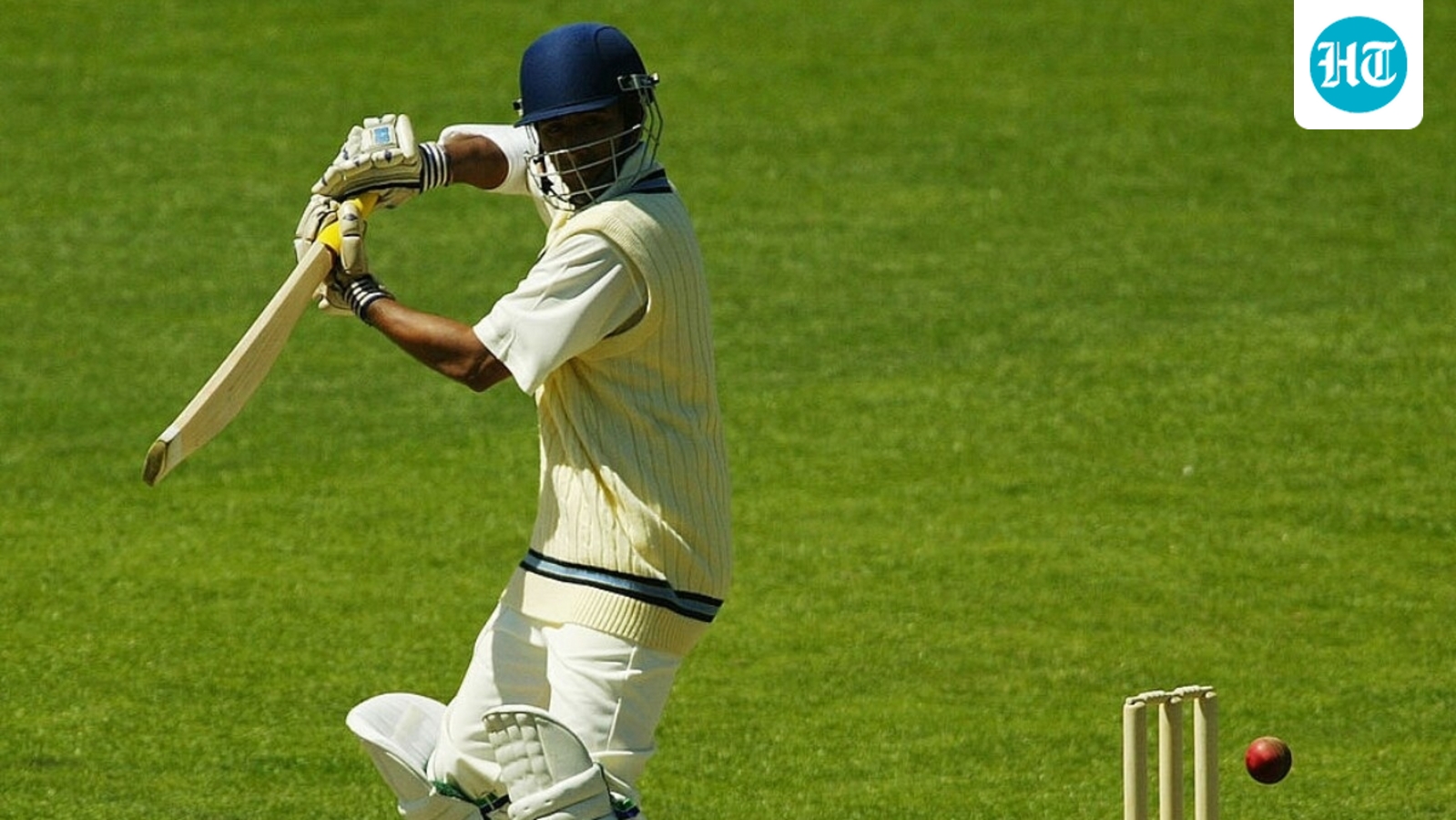
The late 1990s and early 2000s were an interesting time in Indian cricket. Several players broke into the Indian team for a brief period, only to never be seen again. Some realised they weren’t cut out for that level of competition, while others lingered on until they were eventually dropped. Dodda Ganesh, Sujith Somadundar, Jacob Martin, Ashish Kapoor, Harvinder Singh, Rajesh Chauhan, Abey Kuruvilla, SS Das, Sameer Dighe, Reetinder Sodhi, Hemang Badani and Ajay Ratra are among the names that come to mind. Then again, there were others who never got their India caps despite brimming with talent. A shot from 2003, the last time this batsman represented any form of the Indian team (AFP)
Amol Muzumdar and Ranadeb Bose are arguably the two unluckiest cricketers to have never played for India. One scored over 10,000 first-class runs, the other picked up more than 450 wickets. Yet, neither represented the national team. And then there were those who went out as quickly as they came through the ranks. However, in between these two categories was a bracket of what-ifs – players whose careers promised so much more. Players who did not put a foot wrong. Players who played a 50-over World Cup but were dropped through no fault of their own.
Also Read: His action became a World Cup symbol; he took 10 wickets in an innings, yet his Test career ended after two games
He was part of India’s iconic 2001 Test series win against Australia, though few talk about him. He scored 323 runs in his first three Tests and averaged 53.83 after six, with scores of 43, 5, 60, 96, 79 and 40. What takes the cake is that he achieved these numbers as an opener, even though opening wasn’t his forte. He began as a middle-order batter, was gambled as an opener and excelled in the role against the likes of Wasim Akram and Waqar Younis, whose reverse swing was a source of terror back in the day, especially on subcontinental pitches. Yet, he played them without breaking a sweat.
That, folks, is Sadagoppan Ramesh for you.