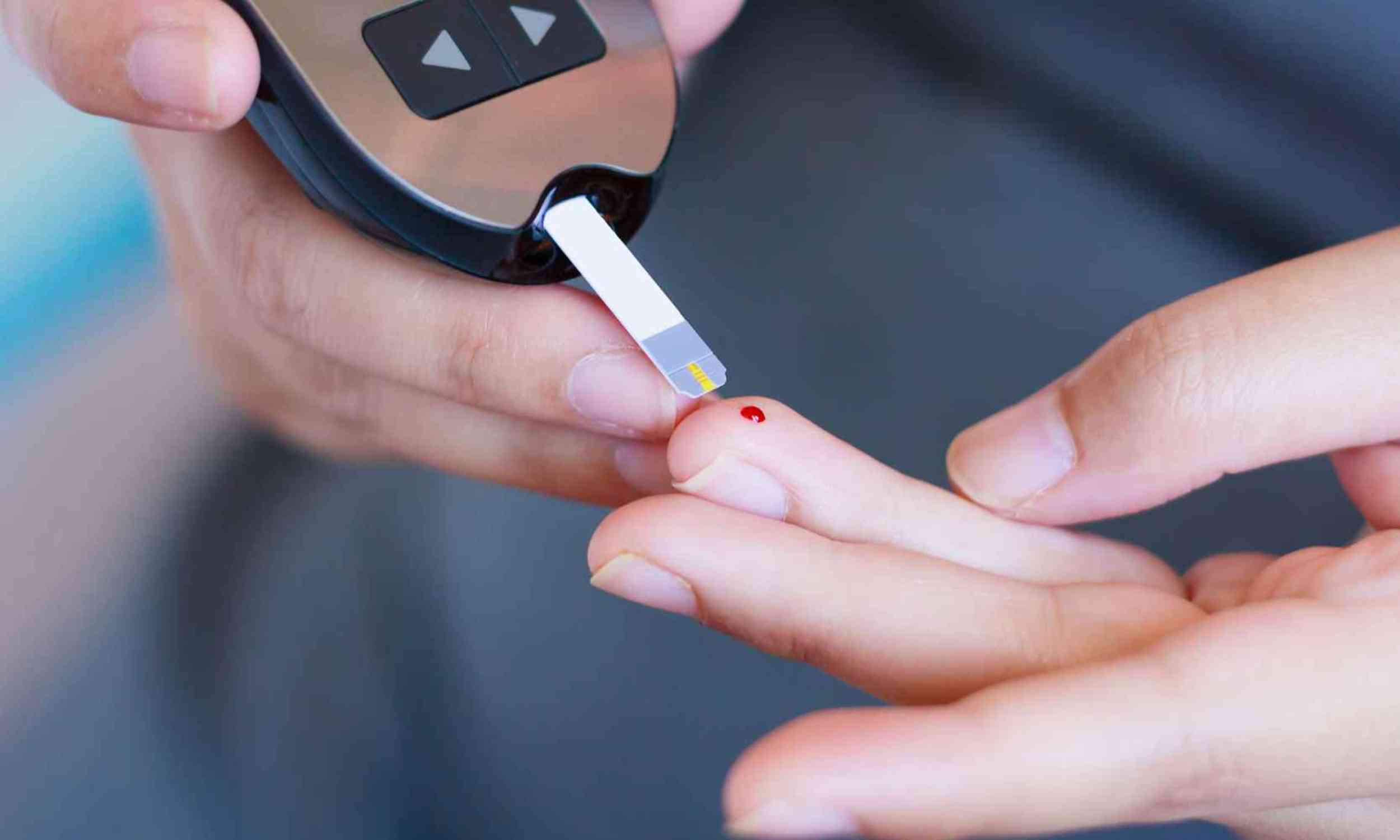
The working assumption for most people with type 2 diabetes is that normal blood sugar is no longer the target.
For many patients on a new once-daily oral pill, blood sugar fell much further than doctors typically aim for – into territory most consider out of reach.
It belongs to the same family as those famous weekly shots – the GLP-1 medicines that calm appetite and steady blood sugar.
People on the highest orforglipron dose lost close to 20 pounds (9 kilograms) over the year.
Against that rival pill, orforglipron came out on top.
The working assumption for most people with type 2 diabetes is that normal blood sugar is no longer the target. Getting close enough is the goal – the condition managed, not erased.
A trial that wrapped up this year challenged that assumption. For many patients on a new once-daily oral pill, blood sugar fell much further than doctors typically aim for – into territory most consider out of reach.
A pill, not injections
The drug is orforglipron, sold under the name Foundayo. It belongs to the same family as those famous weekly shots – the GLP-1 medicines that calm appetite and steady blood sugar. But it comes as a once-a-day tablet.
What sets it apart from the other pill is how easygoing it is. Oral semaglutide, the version already on the market, must be swallowed on an empty stomach.
A small sip of water – and nothing else by mouth for the next half hour. Orforglipron carries none of that, and works any time of day.
It is not brand new. Regulators already cleared it for weight loss, after a separate study in adults with obesity found the top dose took off about 27 pounds (12.2 kilograms) in a year. The diabetes results could reach far more people.
The head-to-head trial
Plenty of trials have pitted these drugs against a dummy pill. A large study comparing two oral versions against each other had not been tried before. Not until this one.
The trial, called ACHIEVE-3, was led by Julio Rosenstock, M.D., a clinical professor of medicine at the University of Texas Southwestern Medical Center (UT Southwestern).
His team enrolled about 1,700 adults whose type 2 diabetes was not well controlled by metformin, the standard first tablet. The trial ran across six countries.
For a year, the volunteers were split four ways – taking orforglipron or oral semaglutide at either a lower or a higher dose.
By the end, the newcomer had pulled clearly ahead on both blood sugar and weight. The separation showed up within the first month.
Blood sugar and weight
Blood sugar gets tracked with a measure called A1C – an average of how high it has been running over the previous three months or so.
At the top dose, orforglipron pulled that number down by about 2.2 points, against roughly 1.4 for oral semaglutide.
The weight change told a similar story. People on the highest orforglipron dose lost close to 20 pounds (9 kilograms) over the year. Those on the strongest dose of the other pill lost about 11 pounds (5 kilograms).
Where the pill really separated itself was at the strict end. More than a third on the top dose reached a near-normal reading – the kind you would see in someone without diabetes. On oral semaglutide, about one in eight.
None of this came out of nowhere. An earlier trial had shown the pill could lower blood sugar against a dummy version, but beating an active rival sets a higher bar.
Tested in more patients
The head-to-head was the headline, but it ran beside two other trials asking different questions. One pitted orforglipron against a common blood-sugar pill. The other added it on top of insulin.
Against that rival pill, orforglipron came out on top. Far more people hit a tight blood-sugar target – nearly seven in ten on the higher doses, against about one in five. Weight loss ran deeper too.
The insulin study made a different point. Adding the pill on top of insulin pushed blood sugar down sharply. The placebo group, also on insulin, gained a little weight instead of losing it.
Side effects and limits
The drug is not a free lunch. Most of the trouble lands in the gut – nausea, diarrhea, the odd bout of vomiting. The same complaints that trail the injectable shots.
Those side effects came at a price in this trial. Close to one in ten people on orforglipron stopped taking it because of those side effects – roughly double the dropout rate seen with oral semaglutide.
What the trials cannot say yet is how the pill holds up over many years. Nor how it measures against the weekly injectable shots that drive blood sugar down hardest.
The longest look here covers about a year. Bigger questions remain open.
What could change next
Here is what the year of data settled. A once-a-day pill with no food or water rules can outdo the existing oral GLP-1 on blood sugar and on weight, and it does so across very different patients.
That changes the calculation for a lot of doctors. A pill this effective could become a first choice in an ordinary clinic, prescribed the way blood-pressure tablets are, with no needle and nothing to keep cold.
Lilly, the drugmaker, plans to file for U.S. approval in type 2 diabetes by the end of June 2026. If regulators agree, a newly diagnosed patient’s first prescription could be a tablet instead of a shot.
The company is making the case for everyday use. “Foundayo has the potential to be an attractive first-line therapy option in primary care,” said Thomas Seck, M.D., a senior executive at Lilly.
The study is published in The Lancet.
—–
Like what you read? Subscribe to our newsletter for engaging articles, exclusive content, and the latest updates.
Check us out on EarthSnap, a free app brought to you by Eric Ralls and Earth.com.
—–