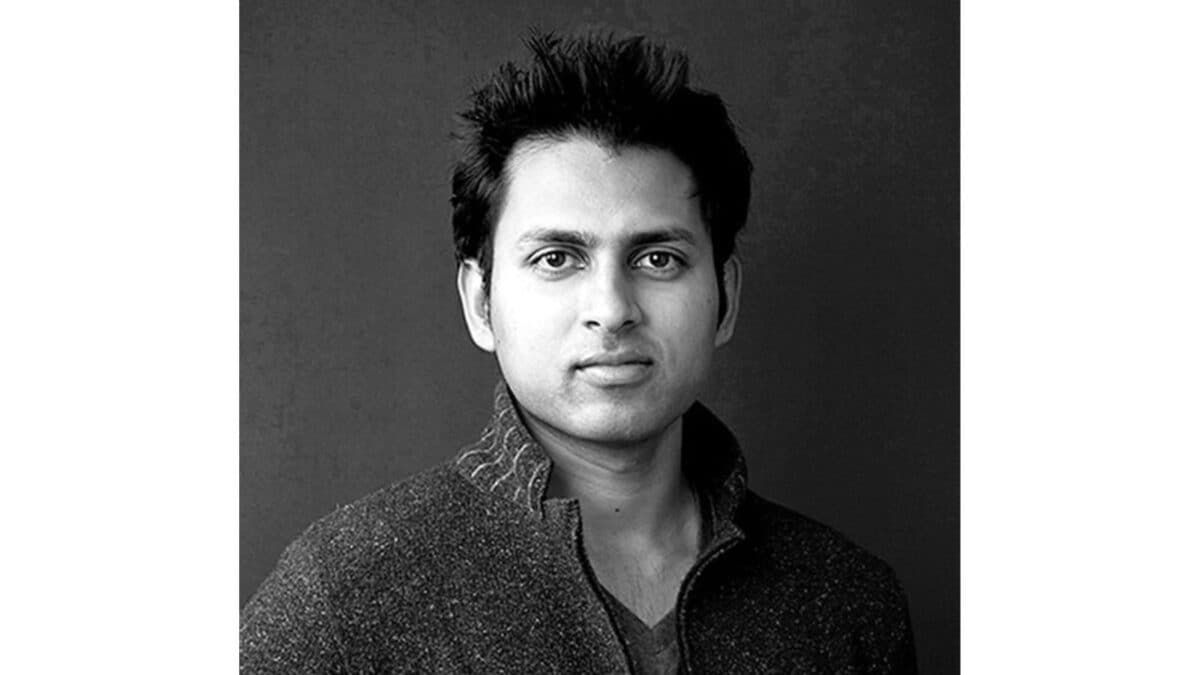
Growing up in Hyderabad, Soumith Chintala used his neighbour’s computer to learn coding—proving early on that passion and curiosity outweigh access to luxury.
2 / 7 Self-described as "bad at maths" and rejected by 27 US universities, Soumith refused to let numbers or setbacks define his path.
ADVERTISEMENT3 / 7 At NYU, Soumith began working alongside Yann LeCun, a founding father of deep learning.
ADVERTISEMENT5 / 7 In 2014, Soumith joined Meta AI (FAIR).
Recognizing the need for a more flexible deep learning framework, he co-created PyTorch—a tool designed by researchers, for researchers.
Last Updated: July 28, 2026, 19:54 IST
1 / 7 No IIT. No NIT. No home computer. Growing up in Hyderabad, Soumith Chintala used his neighbour’s computer to learn coding—proving early on that passion and curiosity outweigh access to luxury.
2 / 7 Self-described as "bad at maths" and rejected by 27 US universities, Soumith refused to let numbers or setbacks define his path. His persistence eventually earned him a spot at New York University.
ADVERTISEMENT
3 / 7 At NYU, Soumith began working alongside Yann LeCun, a founding father of deep learning. This pivotal collaboration set the foundation for his future contributions to artificial intelligence.
4 / 7 The path wasn't linear. Facing multiple job rejections and visa complications that forced him to leave the US temporarily, Soumith repeatedly picked himself up and kept pushing forward.
ADVERTISEMENT
5 / 7 In 2014, Soumith joined Meta AI (FAIR). Recognizing the need for a more flexible deep learning framework, he co-created PyTorch—a tool designed by researchers, for researchers.
6 / 7 From Meta and Tesla to OpenAI and autonomous driving systems, PyTorch quickly grew to power nearly 90% of global AI research and modern machine learning ecosystems.
ADVERTISEMENT