Last Updated: June 15, 2026, 11:39 IST1 / 8 Establishing The Project: The Mumbai Coastal Road Project (MCRP) is a 29.2-km, 8-lane signal-free expressway running along the city's western coastline, built at an estimated cost of ₹13,000 crore.
2 / 8 The WEH Problem: Maharashtra CM Devendra Fadnavis, during a review of the project, underlined exactly why Mumbai needed this road.
"Nearly 60 per cent of Mumbai's traffic uses the Western Express Highway.
4 / 8 The Bandra-Versova Sea Link: The critical northern link in the chain is the Versova-Bandra Sea Link (VBSL), officially named the Swatantrya Veer Savarkar Sea Link.
Once operational, the Versova-Bhayandar Coastal Road will also significantly reduce travel time between the western suburbs and Mira-Bhayandar, further decongesting the Western Express Highway.
Last Updated: June 15, 2026, 11:39 IST
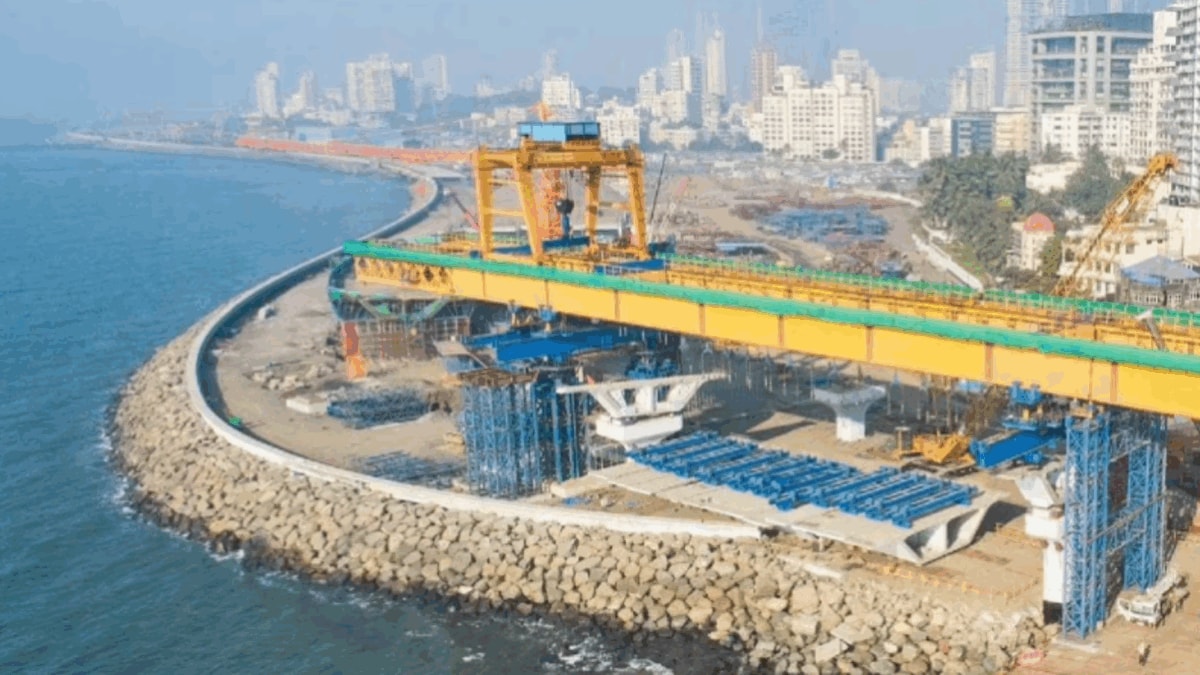
1 / 8 Establishing The Project: The Mumbai Coastal Road Project (MCRP) is a 29.2-km, 8-lane signal-free expressway running along the city's western coastline, built at an estimated cost of ₹13,000 crore. Developed by the BMC, it is a toll-free, grade-separated corridor connecting Marine Lines in the south to Kandivali in the north. Phase 1 — Marine Drive to Worli — is already operational, while the northern stretches are under construction.
2 / 8 The WEH Problem: Maharashtra CM Devendra Fadnavis, during a review of the project, underlined exactly why Mumbai needed this road. "Nearly 60 per cent of Mumbai's traffic uses the Western Express Highway. Considering Mumbai's length, it was extremely necessary to provide a parallel signal-free road. That is why this project has been undertaken," he told reporters.
ADVERTISEMENT
3 / 8 How It Decongests: By linking Marine Drive to Dahisar, the Coastal Road will reduce pressure on the Western Express Highway and offer a scenic, efficient alternative commute for lakhs of daily users. Fadnavis also noted that the metro network had already reduced road pressure and would continue to do so — but Mumbai's linear geography demanded a dedicated parallel corridor above and beyond rail alone.
4 / 8 The Bandra-Versova Sea Link: The critical northern link in the chain is the Versova-Bandra Sea Link (VBSL), officially named the Swatantrya Veer Savarkar Sea Link. The 17.17-km, 8-lane stretch directly connects Versova to Bandra, and once complete, will reduce travel time between the two points from 45-60 minutes to approximately 10-15 minutes.
ADVERTISEMENT
5 / 8 Where Construction Stands Today: The VBSL has achieved an overall 32 per cent civil progress after nearly seven years, with superstructure erection using launching gantries underway at Bandra, Versova, and Carter Road, and active pier work continuing at key stretches. Fadnavis, who reviewed the site, said that despite rough sea conditions and high waves, work was progressing rapidly and would gather "tremendous speed" after the monsoon.
6 / 8 The Deadlines: The CM spelled out two clear targets: the Bandra-Versova section is to be completed by March 2028, while the Versova-Bhayandar stretch and its connectors — which will converge in the north — are targeted for completion by December 2028. Once operational, the Versova-Bhayandar Coastal Road will also significantly reduce travel time between the western suburbs and Mira-Bhayandar, further decongesting the Western Express Highway.
ADVERTISEMENT
7 / 8 War Room Monitoring And Engineering Challenges: Fadnavis said the government was monitoring the project daily through a war room mechanism, with separate plans drawn up for monsoon and fair-weather construction periods. The CM has directed the contractor to accelerate work by deploying more manpower and machinery to meet the 2028 deadline — one that has been revised several times since the project's inception in 2018.