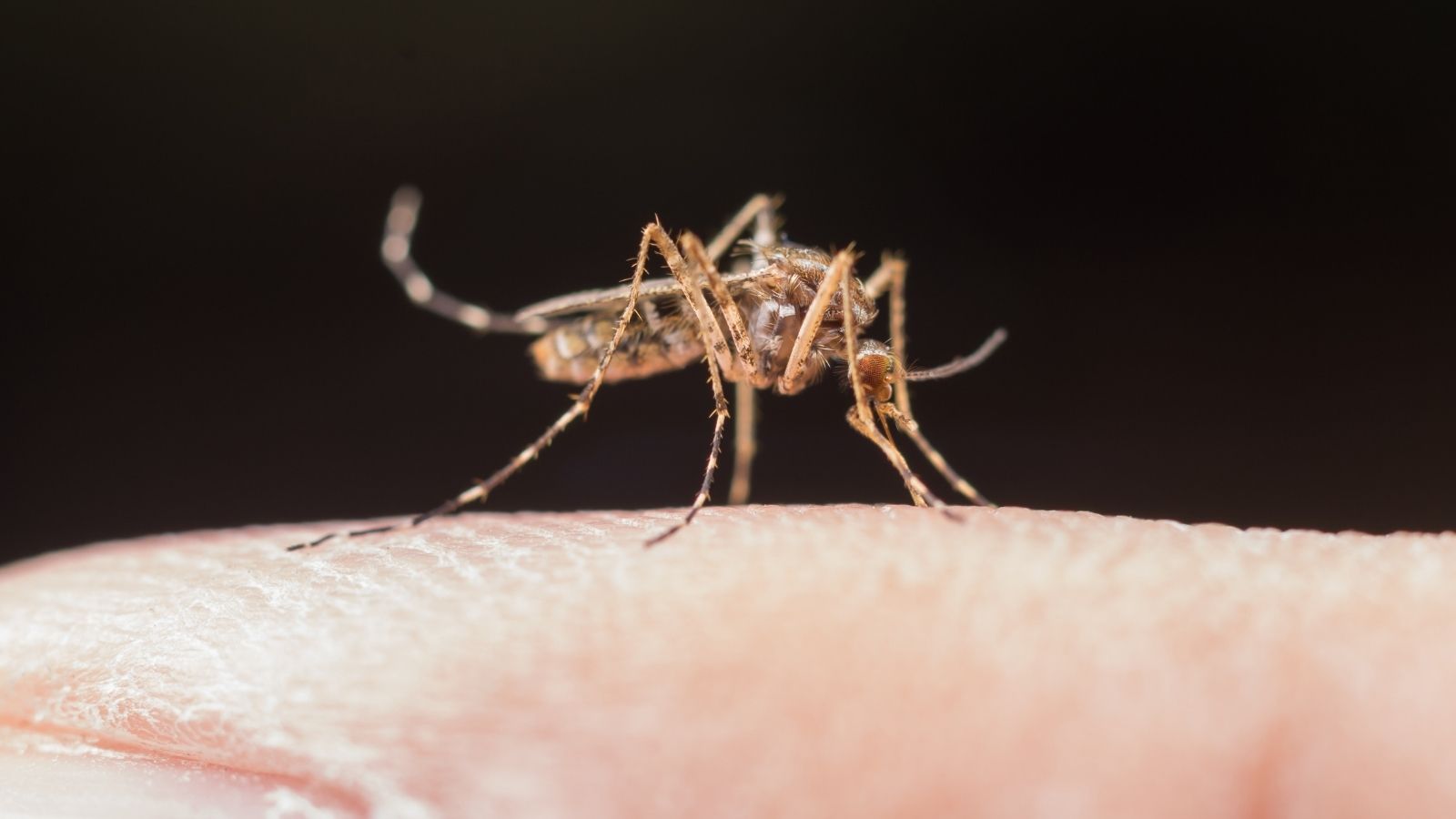
Scientists say mosquitoes use carbon dioxide, body odour, heat and humidity to identify potential hosts, making some people more attractive to the insects than others.
(Image for representation: Magnific)Researchers are uncovering why some people seem to be mosquito magnets, while others escape relatively unscathed.
The answer, they say, lies in a complex mix of body odour, heat, carbon dioxide emissions, and skin chemistry that makes certain individuals more appealing to the insects.
Scientists say mosquitoes, particularly females (which are the only ones that bite), use a range of sensory cues to locate their next meal.
One of the strongest signals is carbon dioxide.
Scientists say mosquitoes use carbon dioxide, body odour, heat and humidity to identify potential hosts, making some people more attractive to the insects than others. (Image for representation: Magnific)
Researchers are uncovering why some people seem to be mosquito magnets, while others escape relatively unscathed. The answer, they say, lies in a complex mix of body odour, heat, carbon dioxide emissions, and skin chemistry that makes certain individuals more appealing to the insects.
Scientists say mosquitoes, particularly females (which are the only ones that bite), use a range of sensory cues to locate their next meal.
Frederic Simard, a medical entomologist at France’s Institute of Research for Development, told AFP that mosquitoes are indeed attracted to some people more than others, although that attraction can vary over time.
One of the strongest signals is carbon dioxide.